
 Gaby
Gaby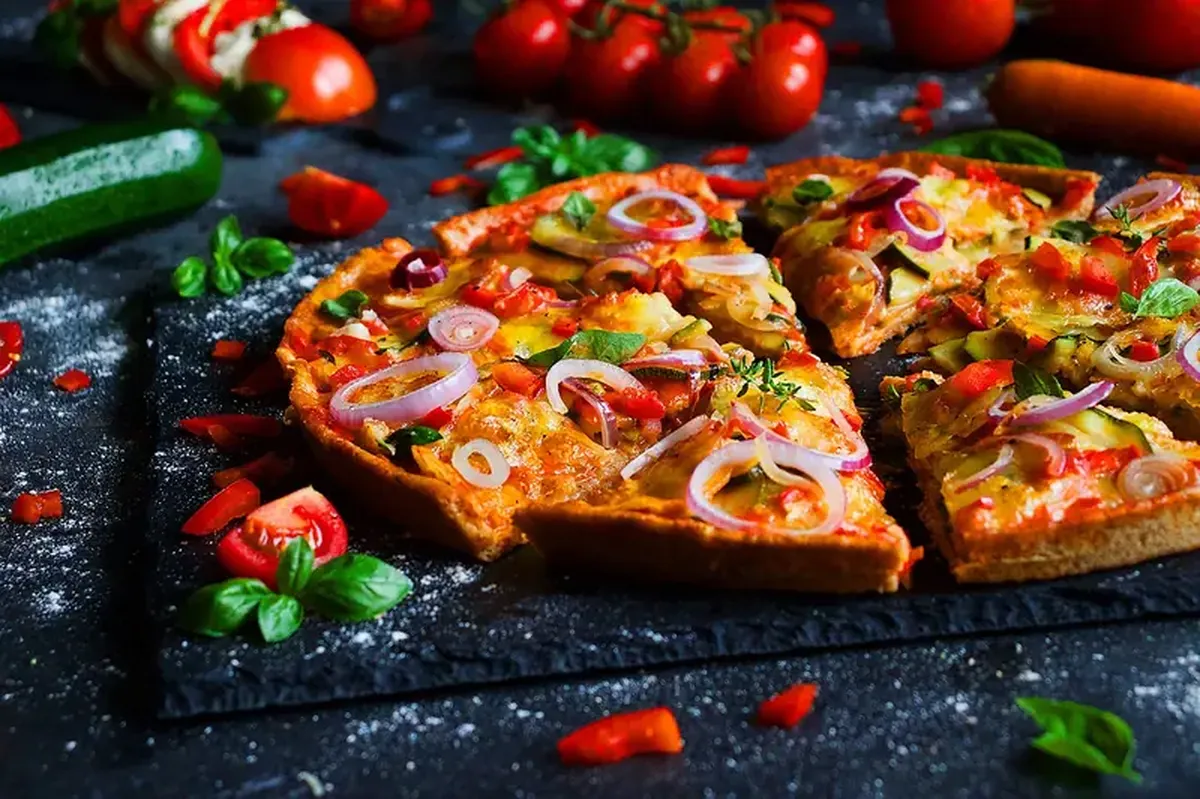
February 9 is International Pizza Day, a celebration of the world’s most popular fast food — some 500 million pizzas are eaten every day worldwide, and annual sales reach into the billions. But from a culinary-rights perspective, any pizza made outside Italy is often treated as a “knockoff,” while the authenticity of Neapolitan pizza is protected by a special designation. What exactly makes Italian pizza authentic, what legacy created it, and which pizza truly reigns supreme in taste?
The Birth of Traditions
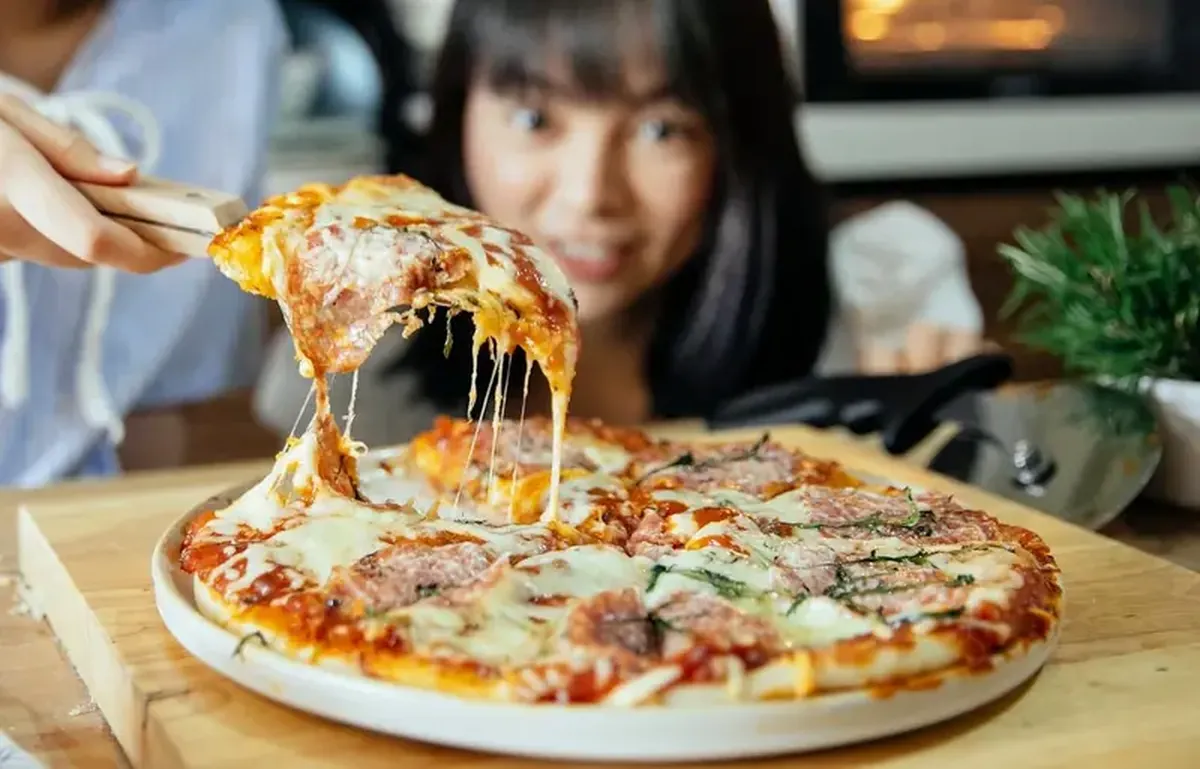
The word “pizza” first appears in a Latin text from 997 AD. In the central Italian town of Gaeta, then part of the Byzantine Empire, a document required tenants to give the local bishop duodecim pizze — “twelve pizzas” — on Christmas and Easter. In ancient Greece and Rome, the term referred to dishes served on flatbread.
The legendary Roman gourmet Marcus Gavius Apicius, a contemporary of Emperor Tiberius, described several prototypes of modern pizza in his book “On the Culinary Art of the Romans” as early as the 1st century BC. Those early dishes used dough and toppings made from wheat flour, olive oil, cheese, poultry, pepper, garlic, and nuts. While historians credit Italians with the classic pizza, the dish’s roots are older and draw from several ancient cuisines.
Roman legionaries are known to have brought a dish called “picea” from Palestine: a flatbread topped with vegetables. In Ancient Greece there was a very similar flatbread baked with cheese, meat, olives, and vegetables. Researchers say the Romans borrowed the Greek delicacy “placuntus” and adapted it into what they called “placenta.”
Poor Man’s Creativity
Early versions of what we now call pizza lacked tomatoes — tomatoes only arrived in Europe from South America in the 16th century. Europeans were initially suspicious of the fruit, calling it the poisonous “devil’s berry.” The peasants on the outskirts of Naples were the first to add tomatoes to flatbread, and the first modern-style Italian pizza appeared there in 1522.
Neapolitan pizza began as a food for the common people: a round yeast dough base topped with tomato paste, cheese, and whatever ingredients were available — mushrooms, meat, or vegetables. Tomato paste became the defining feature. From humble street food, pizza entered higher cuisine when it made its way into royal kitchens.
In 1889, King Umberto I brought his wife, Queen Margherita of Savoy, to Naples for a vacation. Local pizzaiolo Raffaele Esposito prepared three pizzas for them: one with cheese, basil, and lard; another with tomatoes, garlic, and olive oil; and a third with tomatoes, mozzarella, and basil. The queen preferred the last one, and Esposito named it “Pizza Margherita” in her honor.
The Italian Standard
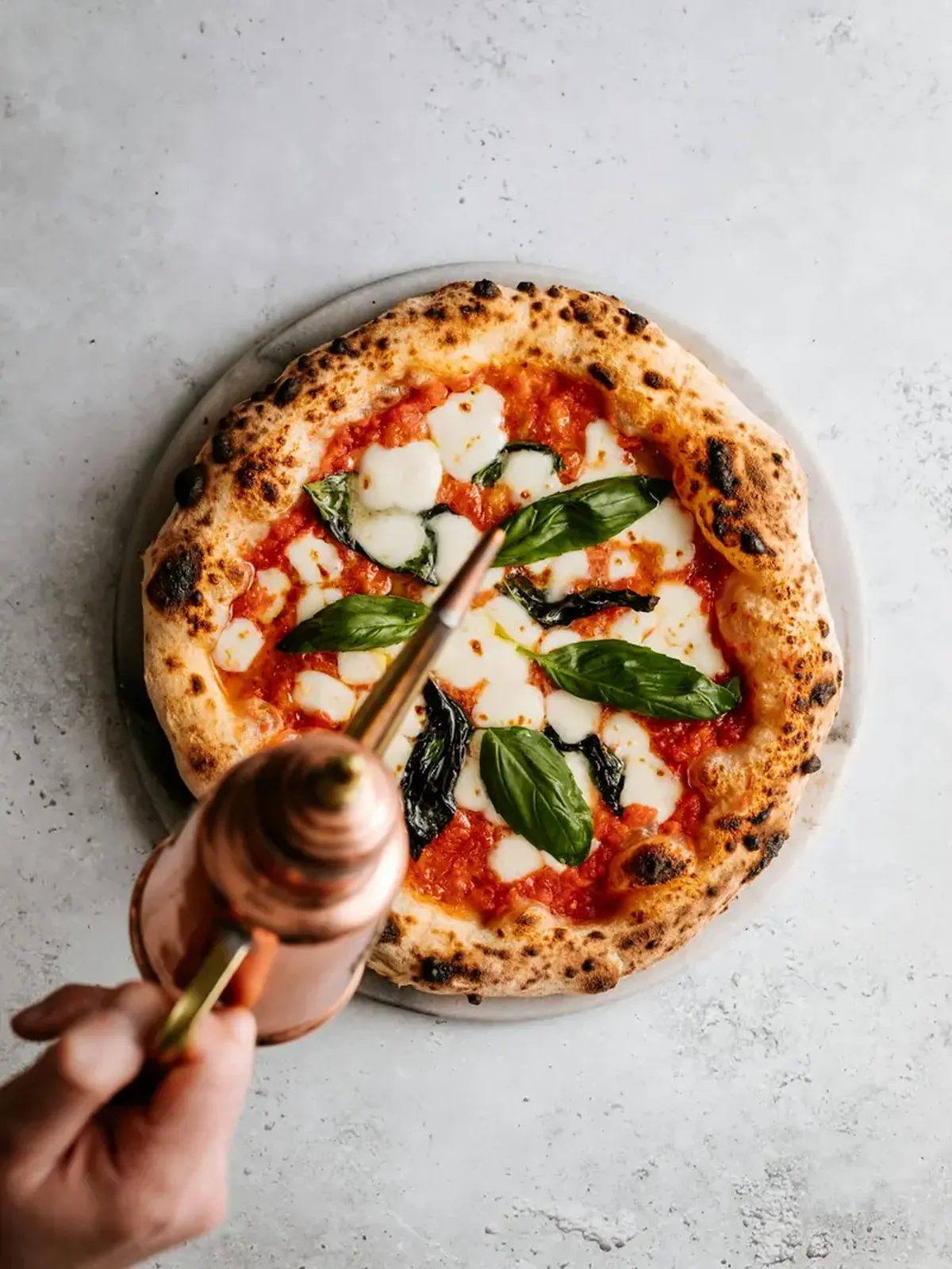
Since then, a former dish of the poor has become a culinary treasure protected by Italian law. In 2004, an approved recipe for authentic pizza was published in the Italian government’s official journal, the Gazzetta Ufficiale. The components of true Neapolitan pizza, as described there, include specific varieties of tomatoes, mozzarella cheese, olive oil, basil, garlic, oregano, and a characteristically thin crust.
True Neapolitan pizza uses tomatoes grown on the volcanic plains south of Vesuvius and mozzarella di bufala Campana, made from the milk of buffalo grazing in the wet meadows of Campania and Lazio. That cheese is protected by a European geographical-indication certification. The official document lists the original Neapolitan types: Pizza Margherita (with elongated San Marzano tomatoes, mozzarella from the southern Apennines, and basil); Margherita Extra (with cherry tomatoes and buffalo mozzarella); and Marinara (tomatoes, olive oil, garlic, and oregano).
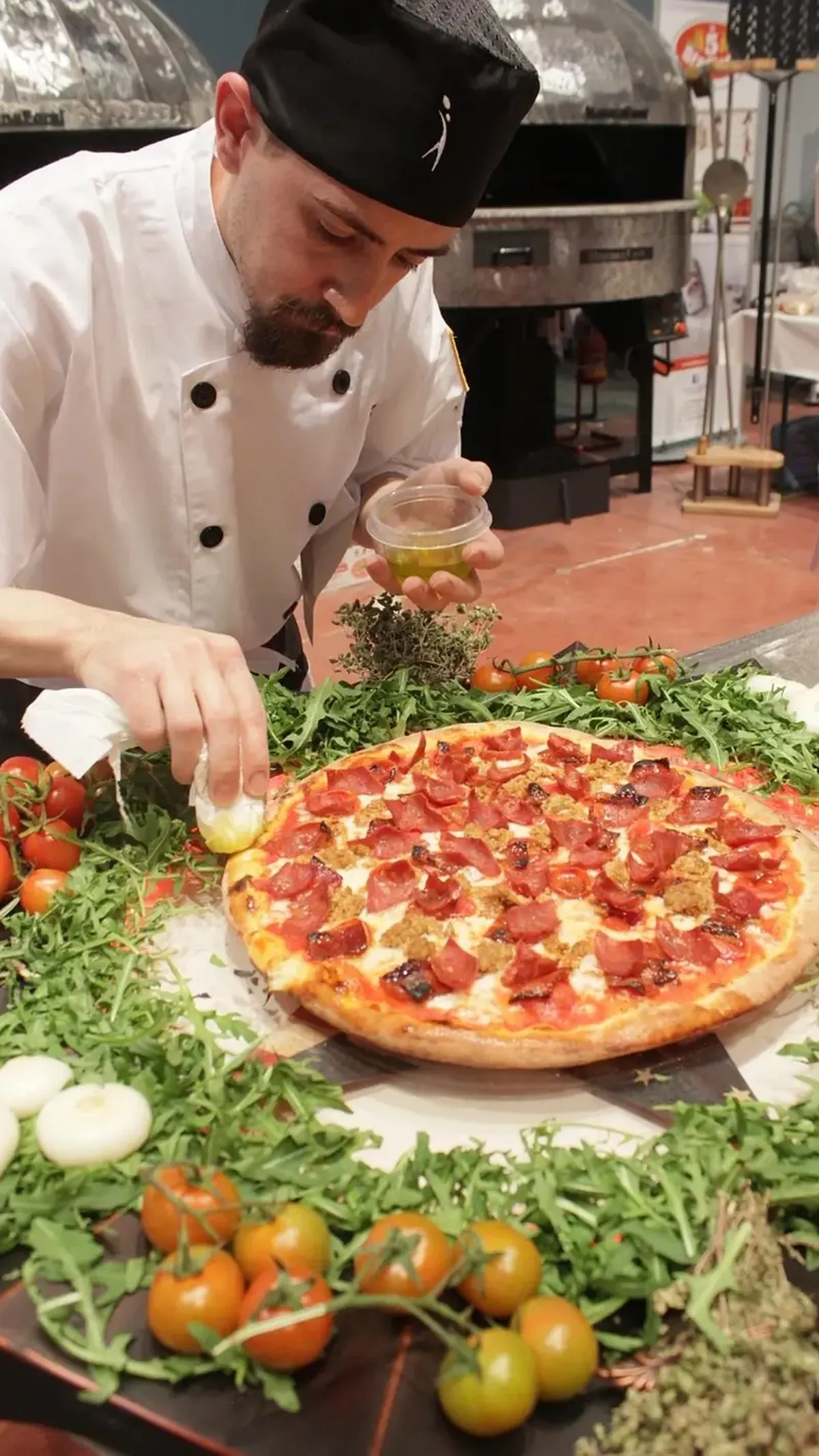
The official preparation instructions filled three newspaper columns, specifying the types of tomatoes and cheese as well as the flour and yeast to use, the sauce composition, topping ratios, and even how to oil the crust’s edge. Special government inspectors monitor compliance in Italian pizzerias. They have their work cut out for them: the dish is prepared in over 40,000 pizzerias across Italy. Authentic traditional pizza and adherence to the required preparation steps are confirmed by the STG label on the packaging or by a restaurant’s official designation.
The Faster, the Tastier
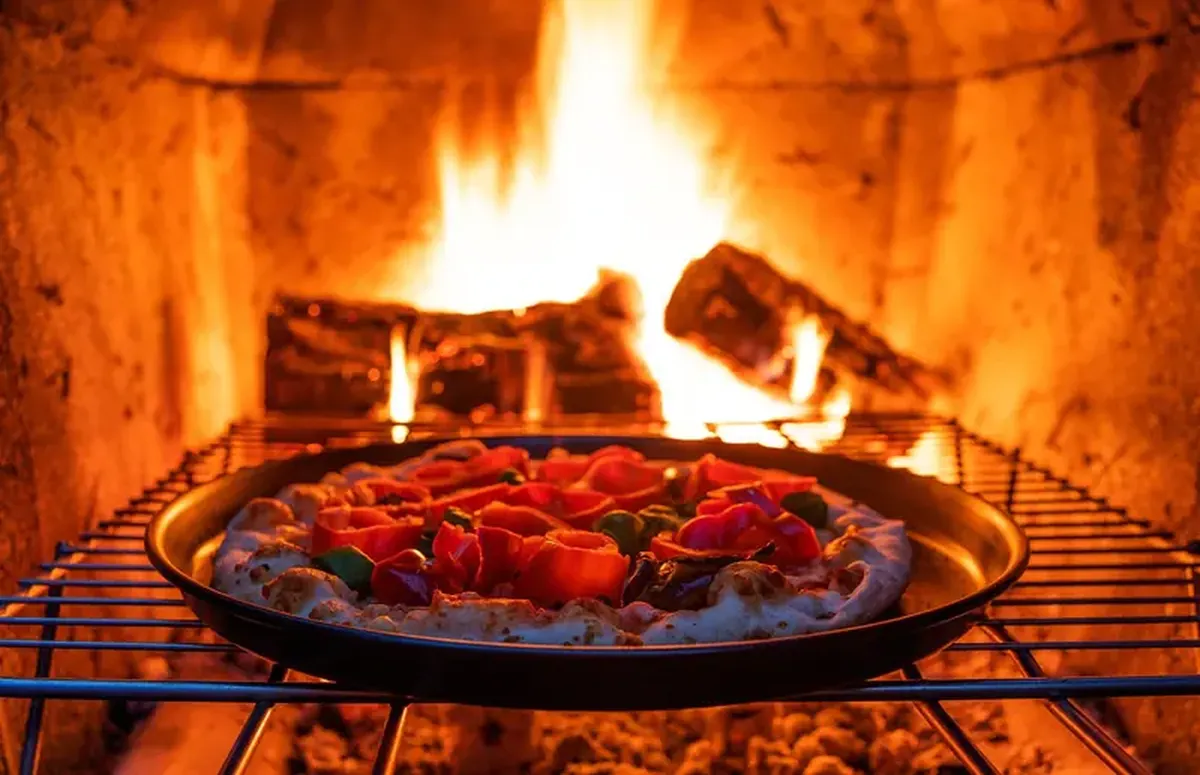
The rules call for baking pizza in a wood-fired oven at about 450 °C. The so-called Pompeian oven has a vaulted, semi-spherical dome designed to create dry heat, producing a crispy crust while keeping the topping juicy. Deck and conveyor ovens are also used. By lighting a fire on one side, the pizzaiolo makes the flames heat the dome, reflect back to the center, and warm the floor to 370–450 °C. At those temperatures, a pizza cooks in just one and a half minutes.
In a conventional oven, pizza bakes at a maximum of 250–275 °C and takes 8–10 minutes. The quicker the pizza cooks, the better the flavor tends to be. It should be eaten immediately while still hot — many upscale pizzerias refuse delivery if the customer is too far away. A finished round pizza should not exceed 35 cm in diameter, and its total thickness, including topping, should be about 2 cm. Standard dough thickness is only 3–4 mm, with a crust diameter of 30–32 cm.
The round shape is required only for the traditional recipe; other shapes can be oval, square, or rectangular, which is convenient for baking on sheet pans. A closed pizza, or calzone, is folded in half into a semi-circular shape, similar to a large cheburek. Originally that “stuffed envelope” was fried in a pan rather than baked. A rolled, nearly closed version is the stromboli.
Secrets of Preparation
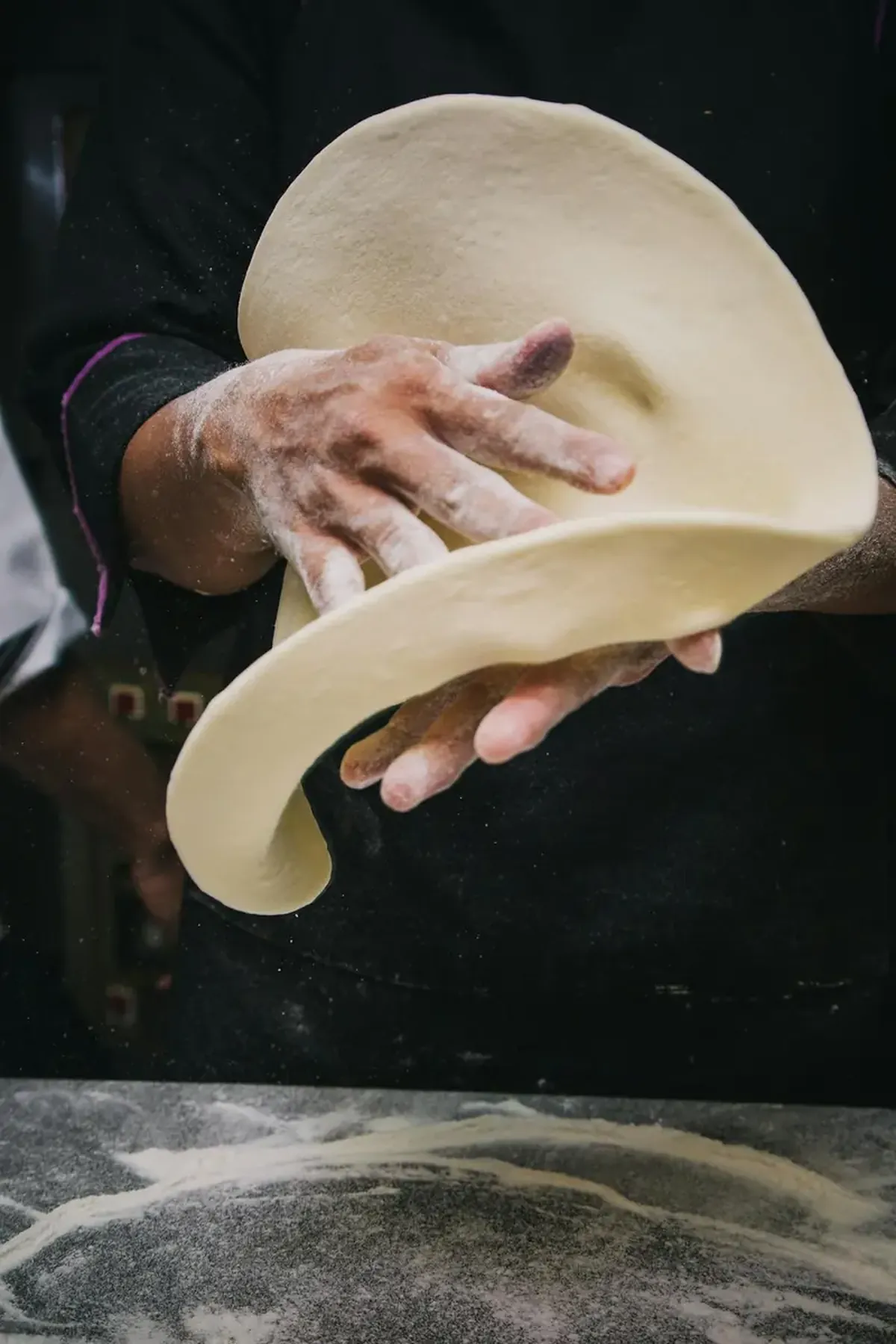
Thin pizza dough should be soft and pliable (so the finished pizza folds easily), should not stick to the hands, and should not tear. Achieve this by using flour from special wheat varieties with a high protein content (known in Italy as “double zero” — 00), natural yeast or sourdough, warm water, salt, and olive oil. Knead the dough by hand only, then cover it and leave it in a dark place for several hours. Fermentation can take from 3–6 hours to a full day, and the dough can rest for two to three days.
Stretch the dough ball by hand, shaping it from the center to the edges. Do not roll it with a rolling pin: thin pizza dough is spun and tossed, not rolled. Do not use ketchup or mayonnaise; top the crust only with natural tomato paste or a cream-based sauce seasoned with spices. Add seasonings such as fresh basil, black pepper, or ground oregano to the sauce, and drizzle a little olive oil on top if the recipe calls for it.
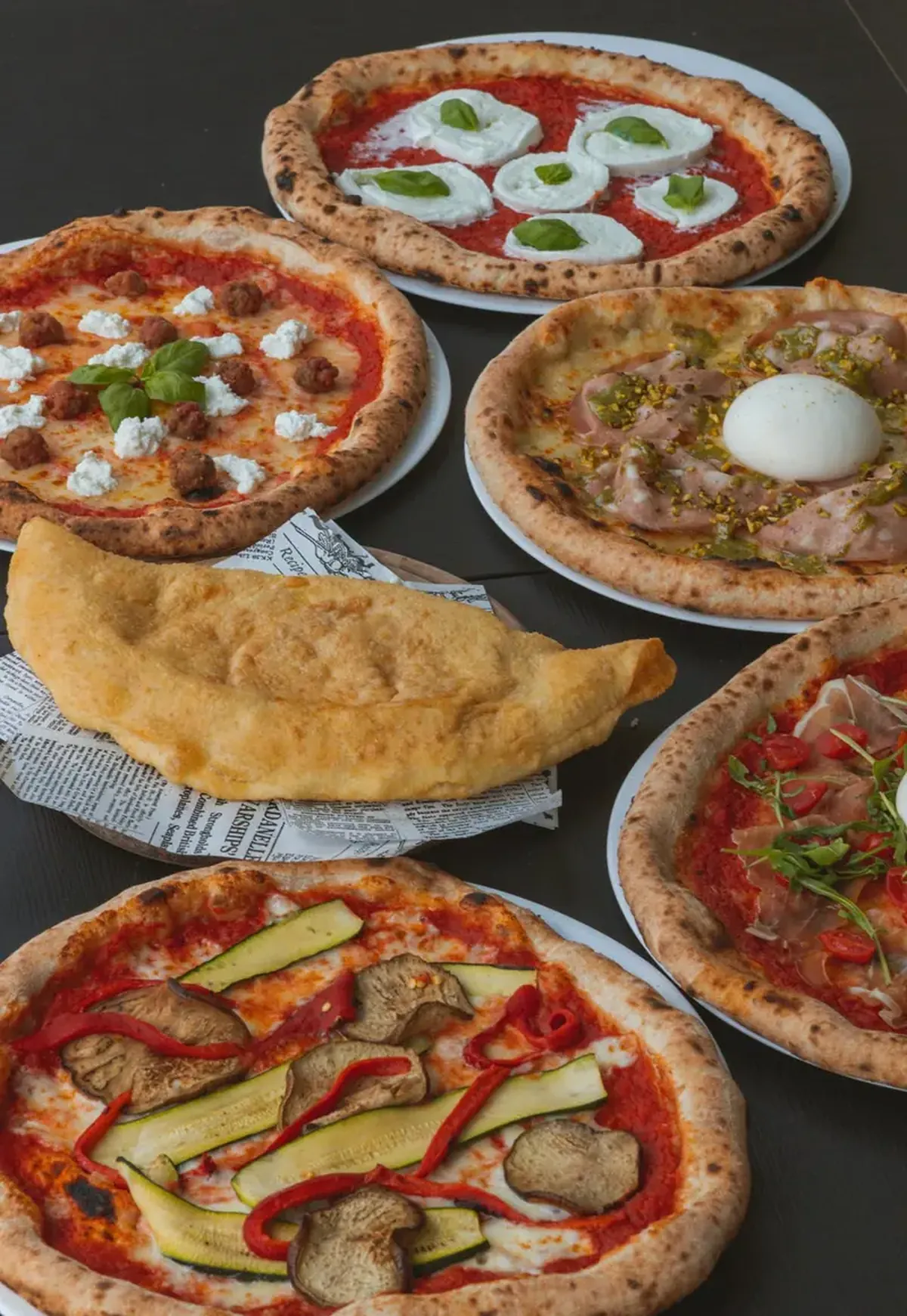
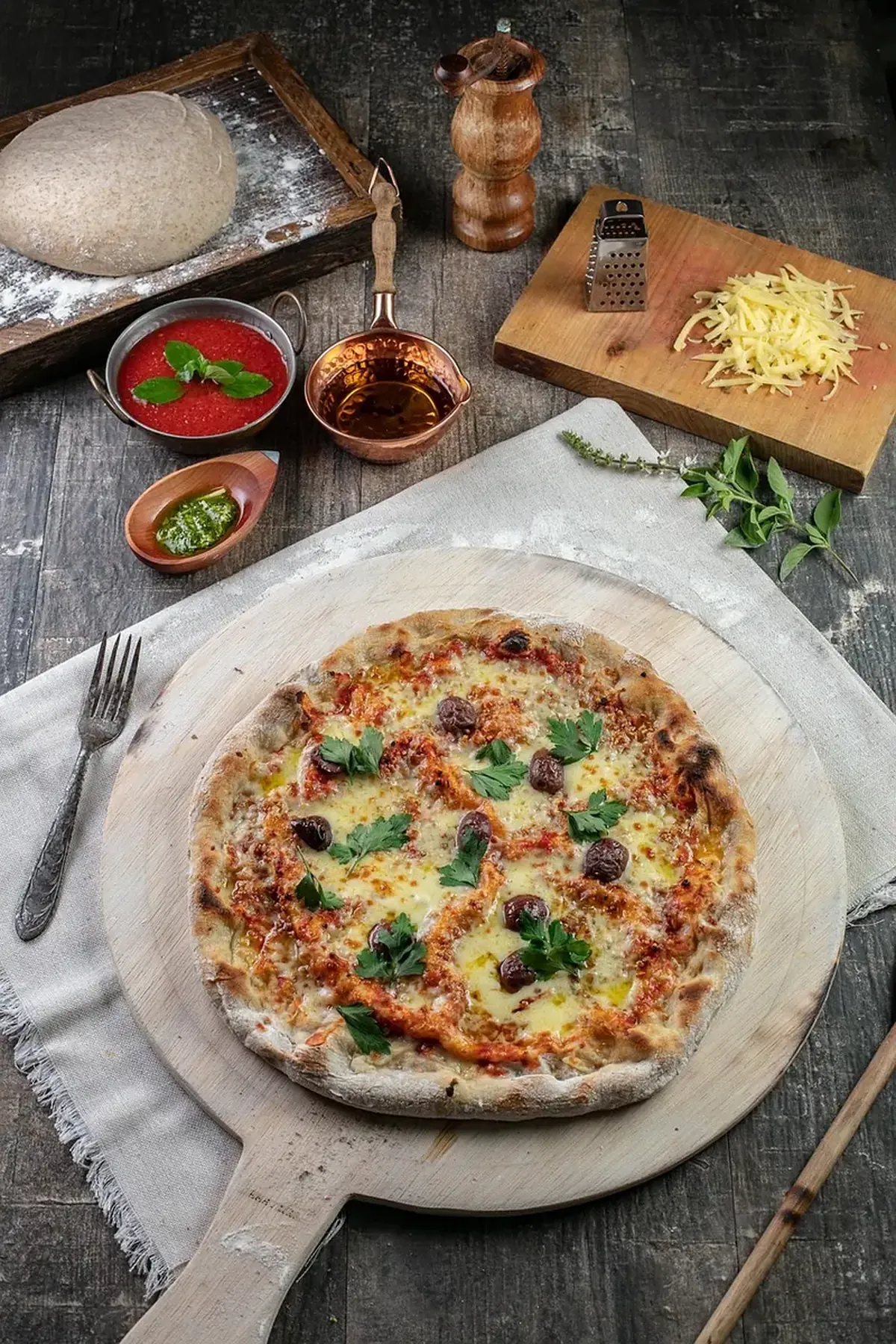
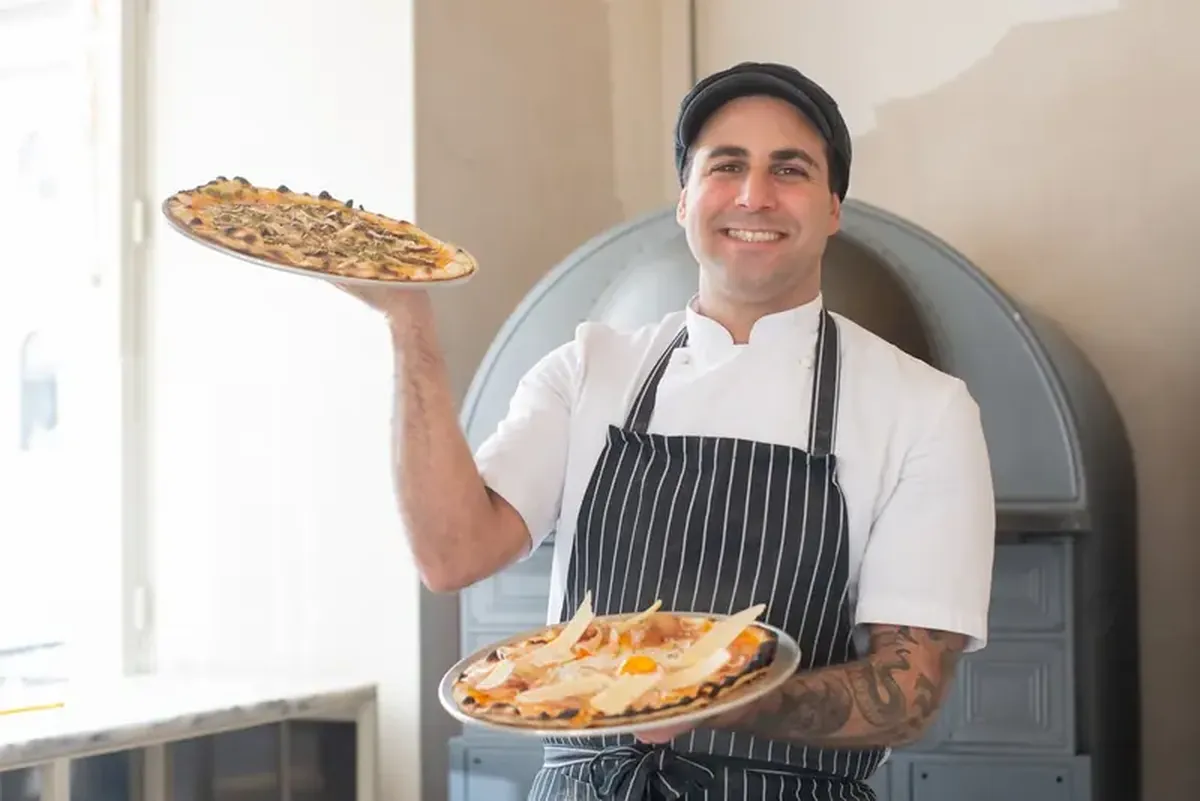
Toppings are laid out in a single layer and usually include no more than four components, though some pizzas use more. Pizza con le cozze is topped with mussels, garlic, olive oil, and parsley. Pizza aglio, olio e pomodoro features olive oil, garlic, oregano, and tomatoes. Pizza capricciosa includes mozzarella, baked ham, mushrooms, artichokes, tomatoes, and olives. Pizza Regina combines tomatoes, mozzarella, mushrooms, ham, oregano, and sometimes black olives.
Ingredient Combinations
Specific components vary by recipe. Pizza Margherita typically uses mozzarella (sometimes with added Parmesan), olive oil, basil, and tomatoes; Margherita bianca is a version without tomatoes. Mozzarella is the classic choice for pizza, but other cheeses such as Parmesan, ricotta, cheddar, feta, pecorino romano, or provolone are also used.
Vegetables and fruits for pizza include pineapple, artichokes, tomatoes, olives, spinach, capers, eggplant, garlic, onions, and green chilies. Mushrooms range from white and button mushrooms to truffles. Meats include chicken, beef, bacon, Italian ham, salami, and pepperoni. Seafood options include tuna, salmon, anchovies, mussels, squid, shrimp, and octopus. Nuts such as pine nuts, pistachios, or cashews sometimes appear. Oils can include olive oil, truffle oil, or walnut oil, and spices and herbs include chili pepper, black pepper, oregano, and basil.
Pizza ai quattro formaggi features tomato or cheese sauce and four cheeses. Pizza quattro stagioni (Four Seasons) is divided into four sections representing the seasons: spring with olives and artichokes; summer with salami and black pepper; autumn with tomatoes and mozzarella; and winter with mushrooms and boiled eggs. The common ingredient in that pizza is tomatoes. Pizza boscaiola (or Funghi) contains mozzarella, mushrooms, sausage, and tomatoes, though it can be made without tomatoes. Pizza Diavola (Devil’s Pizza) gets its heat from Calabrian pepper and spicy salami.
Examples of Combinations
Pizza Pugliese is made with tomatoes, mozzarella, and onions. Pizza ai frutti di mare features assorted seafood. Sicilian pizza (Sfinchione) is often topped with anchovies. The square, thick-crust pizza appeared in 17th-century Sicily and was mainly eaten in the island’s western part until the 1860s. Traditional ingredients for Pizza alla marinara include tomatoes, garlic, olive oil, and oregano, with optional capers and anchovies. Marinara is considered the oldest tomato-based pizza.
Pizza Napolitana (also called Napoli or Neapolitan) is notable for tomatoes, mozzarella, Parmesan, anchovies, olive oil, basil, and oregano. Because it’s very thin, you can eat it without utensils by folding it a libro — “like a book.” Tuna pizza is called Pizza al tonno. Pizza with pineapple and ham is known as Pizza Hawaii. In every case, fresh ingredients work best for the topping, and balancing flavors is essential.
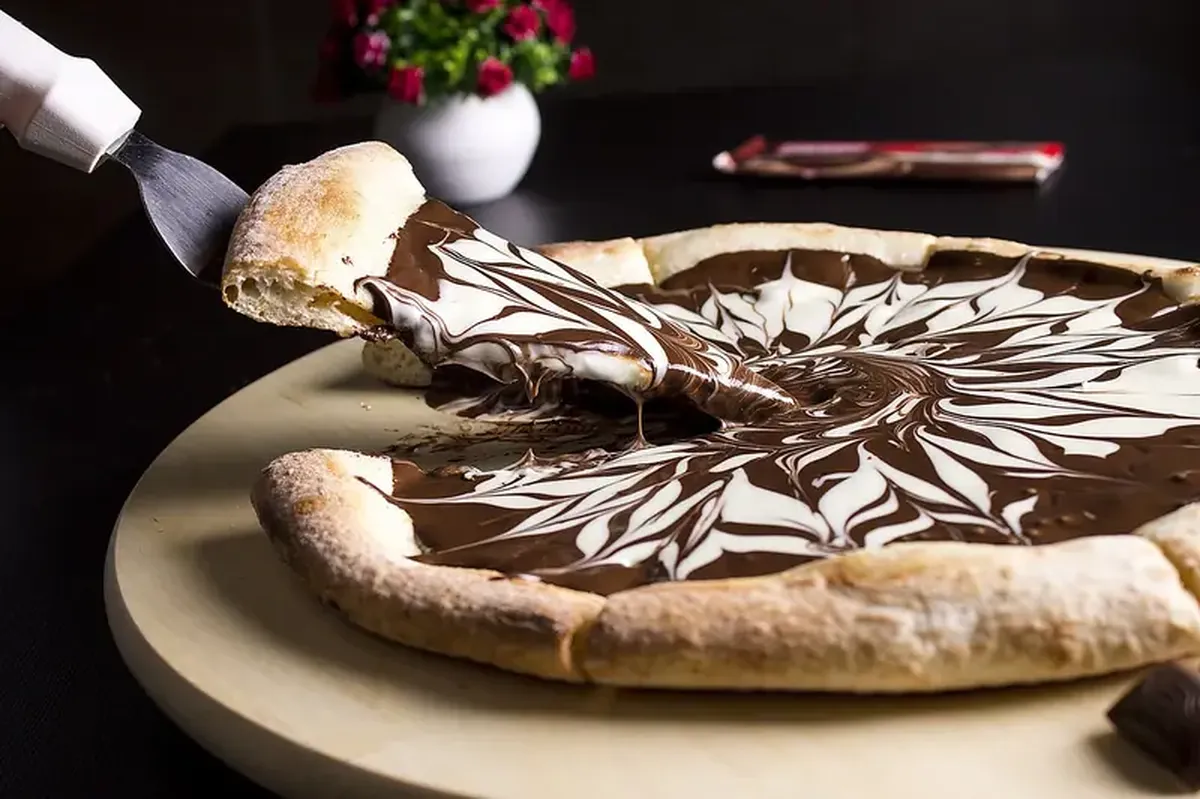
Some of the most unusual varieties are dessert pizzas topped with berries, fruit, and chocolate — think strawberry, chocolate, or waffle pizzas. Vegetarian pizzas have also evolved: some omit meat and cheese, and others replace wheat flour with grated zucchini, carrots, celery, and crushed flaxseed to form a dried, vegetable-based crust.
The Tastiest Pizza
Pepperoni is the most popular topping (67%), while anchovies are the least popular (1%). Preferences follow this order: sausage 44%, bacon 39%, mushrooms 32%, onions 26%. Outside Italy, “pepperoni” usually means a spicy salami that has been made in Italy for centuries; that ingredient appears on 36% of pizzas served elsewhere. In Italy, however, the word “pepperoni” refers to bell peppers, which are the topping on the Italian “Pepperoni” pizza.
If a tourist orders “pepperoni” in Italy, they’ll get a pizza with red and green peppers, not spicy sausage. Spicy salami in Italy is called salame piccante. In street stalls without ovens, pizza is sometimes fried in a pan — the dough with the topping is deep-fried, a Neapolitan tradition. Italian pizzerias often serve a light salad and antipasto or antipasti — an appetizer course of cheeses, cured meats, seafood, and vegetables served before the meal.
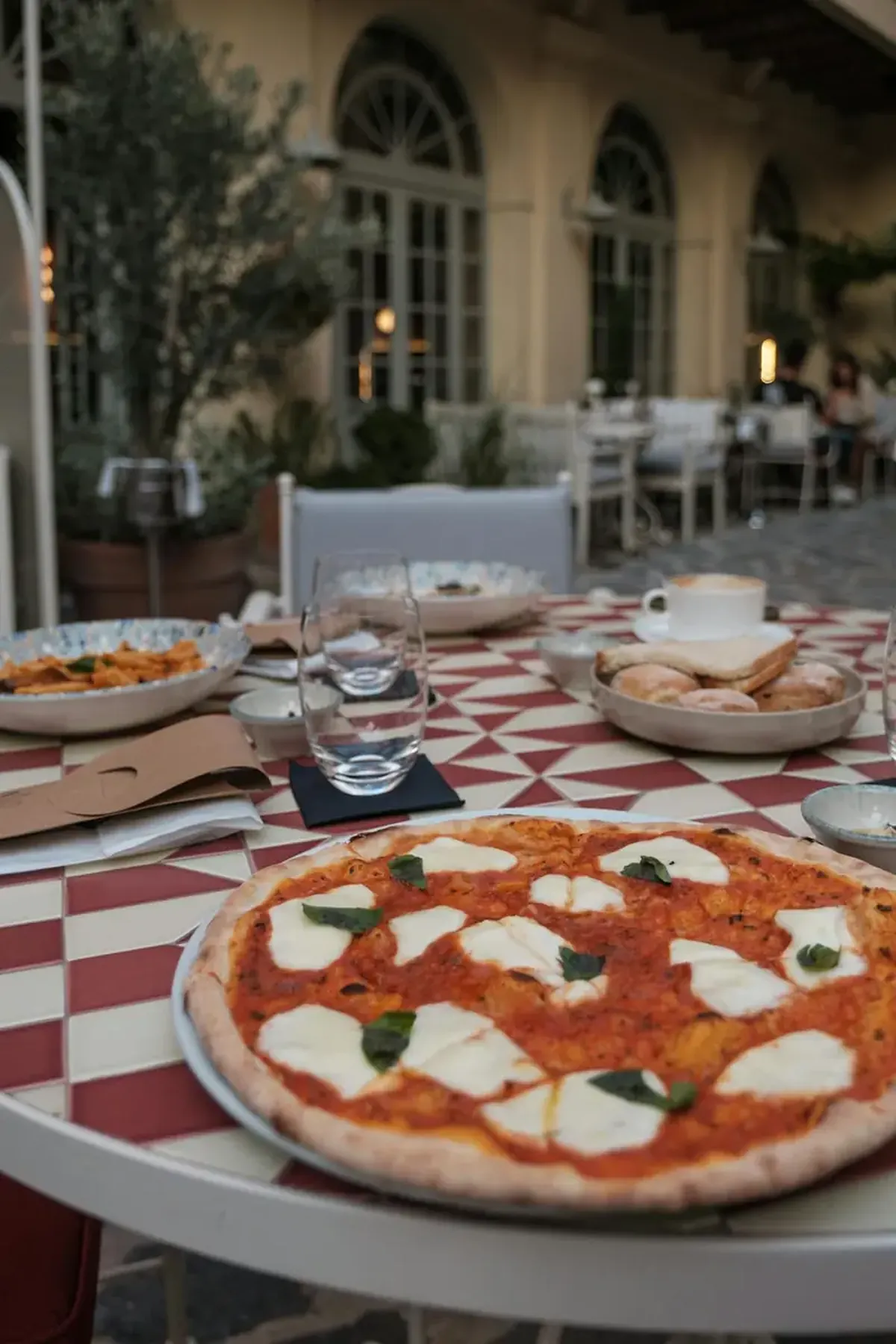
Italians typically order a whole pizza for one person. A finished pizza can be cut into four or eight slices with a special wheel (the word pizza originally meant a “pointed piece”) or served uncut, in which case diners use a knife and fork. Small pizzas, called pizzette, are usually handheld, while larger pizzas are, by Italian etiquette, eaten with utensils — unlike in America.

Interesting Facts About Pizza
- In Naples there is a specialized Pizza University where students from around the world attend two-month courses. Future pizzaioli and managers learn pizza history and production technology and gain practical experience in the city’s famous pizzerias. Local chefs say training a qualified pizzaiolo takes at least ten years of practice.
- Italy produces 2.5 billion pizzas annually.
- While the average American consumes 10.5 kg of pizza per year, the average European consumes 300 kg of the dish in the same period.
- The longest pizza delivery traveled over 11,000 km (from Cape Town to a customer in Sydney).
- In the U.S., the largest pizza made for delivery has a diameter of 1.2 m.
- The record for fastest pizza making is three pizzas in under a minute, or 14 pizzas in 2 minutes and 35 seconds.
- The record for fastest pizza eating is 45 slices in 10 minutes.
- The oldest pizzeria is in Naples and is nearly 280 years old. The city where pizza was born has over 800 pizzerias.
- In Italy, perfumes and cosmetics with a pizza scent are produced using natural ingredients such as tomato extract and oils of oregano and basil.
- A study by Italian scientists found that pizza fans are less likely to suffer from stomach and esophageal cancer than average; researchers attribute this to lycopene, a powerful antioxidant found in tomatoes.
Dough or Lavash?
Classic pizza dough is yeast-based. According to the traditional recipe, 1.8 kg of flour uses 1 liter of water, and the amount of yeast depends on air temperature, humidity, and how long you want the dough to rise. Yeast crusts turn out fluffy and light, but thick pizzas take longer to bake than thin-crust versions. Raw toppings work best because they retain moisture and juiciness during baking. At 200 °C, yeast-dough pizza takes 40–50 minutes, while puff-pastry pizza bakes in 12–17 minutes.
Home-cook tip: a few minutes before the pizza is done, increase the oven temperature to 240–250 °C. That helps the topping set and gives the pizza a better browning. When frying pizza in a pan, use low heat and look for melted cheese as a readiness signal. Pan-fried pizza is a quick snack: kefir-based batter can cook in 8–10 minutes.
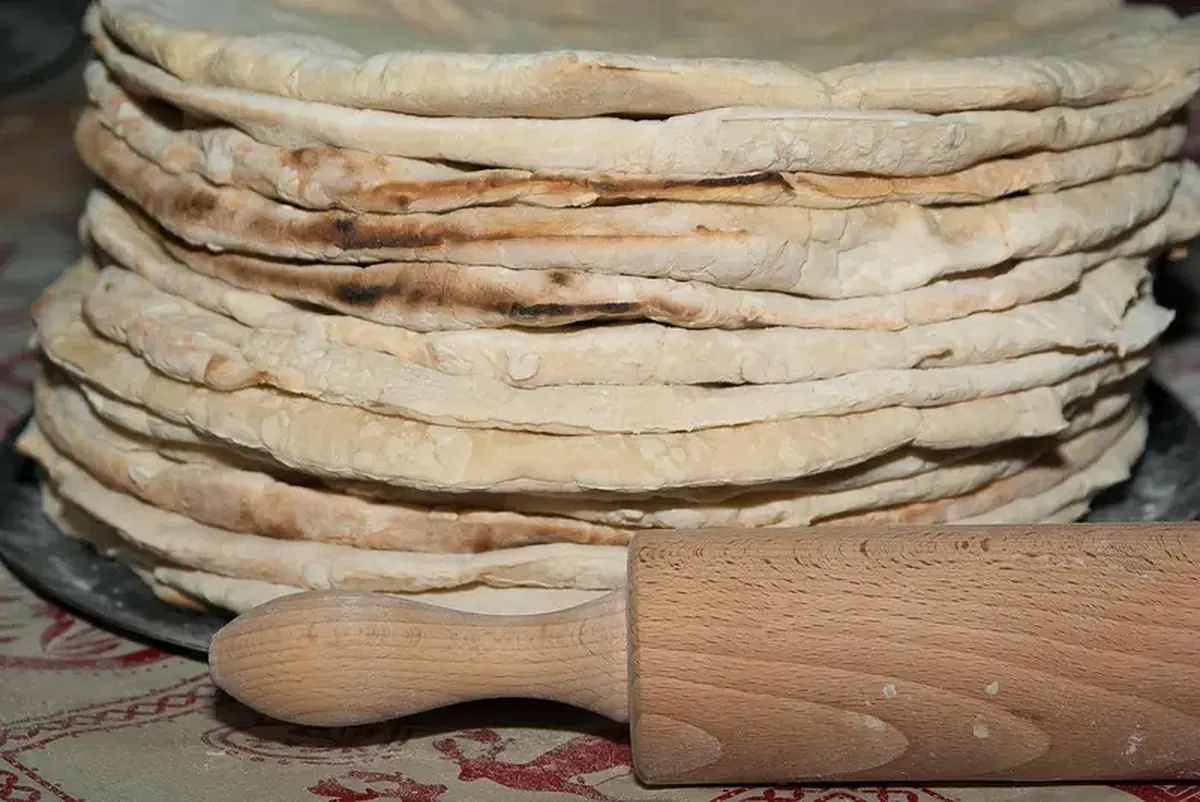
For lovers of thin crusts, use a pre-made base. Lavash pizza cooks very quickly — remove it from a preheated oven after 5–7 minutes; melted cheese signals it’s ready. A topping of raw ground meat, tomatoes, and mushrooms makes a voluminous, juicy pizza, while cheese, olives, and smoked sausage produce a drier result. Thin-crust pizzas with dry toppings bake at 200 °C for about 15 minutes; traditional dough pizzas take 20–30 minutes and benefit from preheating the oven to 240 °C to evaporate excess moisture faster.
Simple Pizza: Italian Recipe
This pizza uses tomato paste for the topping (store-bought or homemade from fresh tomatoes, olive oil, dried oregano, and a pinch of salt), plus mozzarella, pepperoni, mushrooms, and artichokes.
Ingredients for the dough: flour – 600 g; fresh yeast – 25 g; warm water – 1 cup; milk – ½ cup; olive oil – to taste; sugar – a pinch; salt – a pinch.
Dissolve the yeast in warm water and add a bit of milk to the mixture. Pour the flour into a bowl, add salt and sugar, then pour in the yeast mixture.
Knead the dough, adding room-temperature water as needed. Aim for a firm but elastic dough. Once it forms a ball, let it rise in a warm place for 1.5 hours.
Cut off a third of the dough and stretch it by hand into a circle, from the center to the edges. Place the crust on a baking sheet greased with olive oil and let it rest for half an hour to rise a bit more.
Spread the tomato paste over the dough and drizzle with olive oil. Season with salt and add oregano. Arrange the prepared ingredients on the topping. Add the topping just before placing the pizza in the oven so the dough underneath doesn’t become soggy.
Brush the edges of the crust with olive oil to prevent burning, and bake the pizza at 200 °C until done.
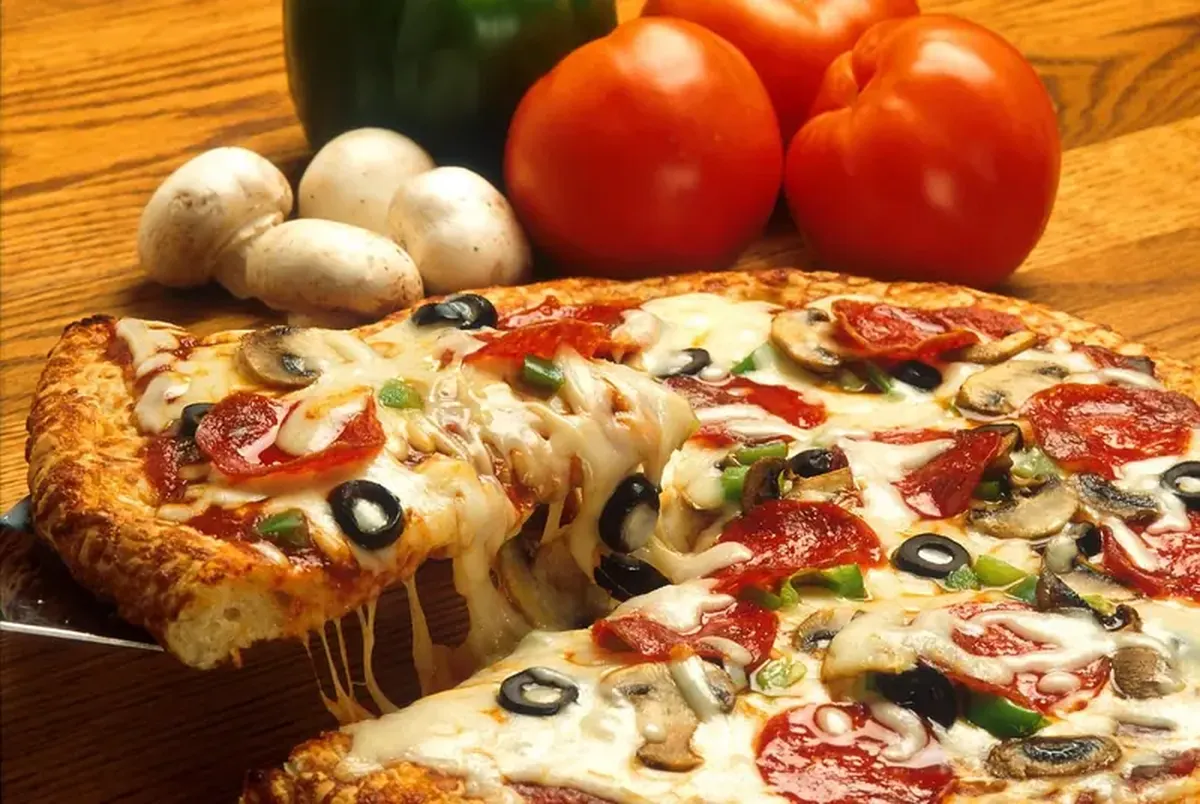
If the dough is too thick, the topping may burn before the crust is cooked. To avoid this, first bake the thick crust without topping until semi-done (about 20 minutes), then remove it, add tomato paste and toppings, and return the pizza to the oven to finish baking for the same amount of time.
If the dough is thin, place the topping in a single layer, as in classic pizza recipes.
If the topping burns while the dough is still undercooked, cover the pizza with a damp paper towel and continue baking.
This legendary Neapolitan dish is worth learning to make for the whole world.
