
 Gaby
GabyIn their recent research, Stanford University engineers Michael Lepech and Zhijie Li discuss the possibility of using recycled reinforced fiberglass polymer composite, which is used in parts of cars, boats, and airplanes. According to the researchers, this durable plastic waste could have a second life in new infrastructure, including public highways and buildings.
This could radically change the situation in the architectural and technological sectors, especially considering that less than 10% of the 7 billion tons of plastic waste generated worldwide is recycled each year.
Sorting plastic waste is important.
Michael Lepech notes that recycling plastic waste for use in infrastructure can be considered progressive. This process will be significantly simplified due to the vast amount of material with its likely homogeneous composition.
However, Lepech says problems could still arise. Until they are resolved, recycling plastic waste and transforming it into buildings, highways, and other types of infrastructure will remain an unfulfilled dream.
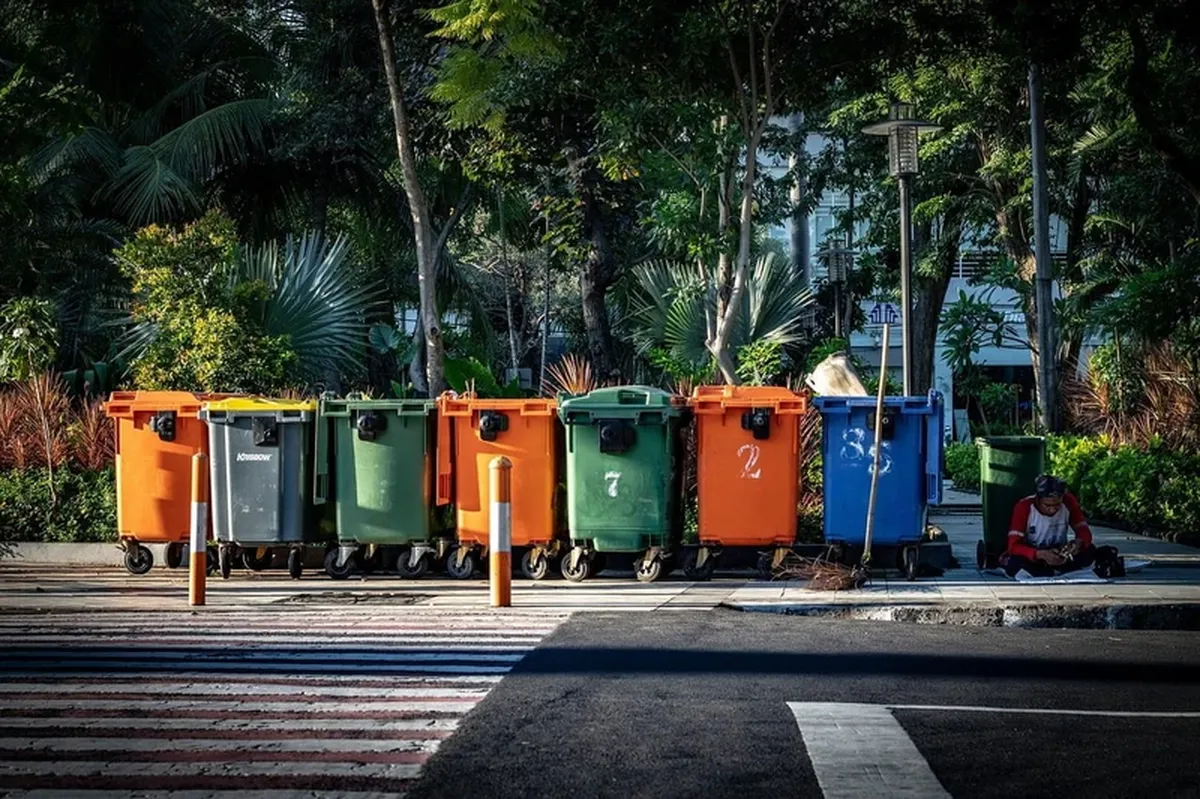
For example, Zhijie Li highlights issues related to the economy and logistics of managing the flow of plastic waste from solid urban sources. The researcher states that the mass and type of plastic can vary from month to month.
Designboom points out that without proper waste-sorting systems and active recycling innovations, managing the logistics becomes much more complicated. This is especially true because plastic varies by type, and only certain types can be used for specific purposes.
Examples of using recycled plastic.
Engineers at Stanford say recycling plastic into infrastructure could be beneficial. However, it must also meet certain performance requirements and maintain a low environmental impact compared to traditional building materials.
In their research, engineers examined examples of using plastic waste for buildings and roads. They looked at façade panels in the San Francisco Museum of Modern Art and the sidewalk in a project by the California Department of Transportation.
The Snohetta-designed museum underwent a façade expansion. Reinforced fiberglass plastic was used for the undulating surface of the exterior, marking its largest architectural application in the U.S. to date. In 2020, Caltrans paved a section of Highway 162 in California with recycled asphalt and liquid plastic made from single-use plastic bottles.
Advantages and disadvantages of recycling plastic waste
These examples support Lepech and Li’s research on the future of plastic waste for infrastructure. Zhijie Li warns that despite numerous ways to reuse plastic for various purposes, not all types have a long enough lifespan to be integrated into infrastructure.
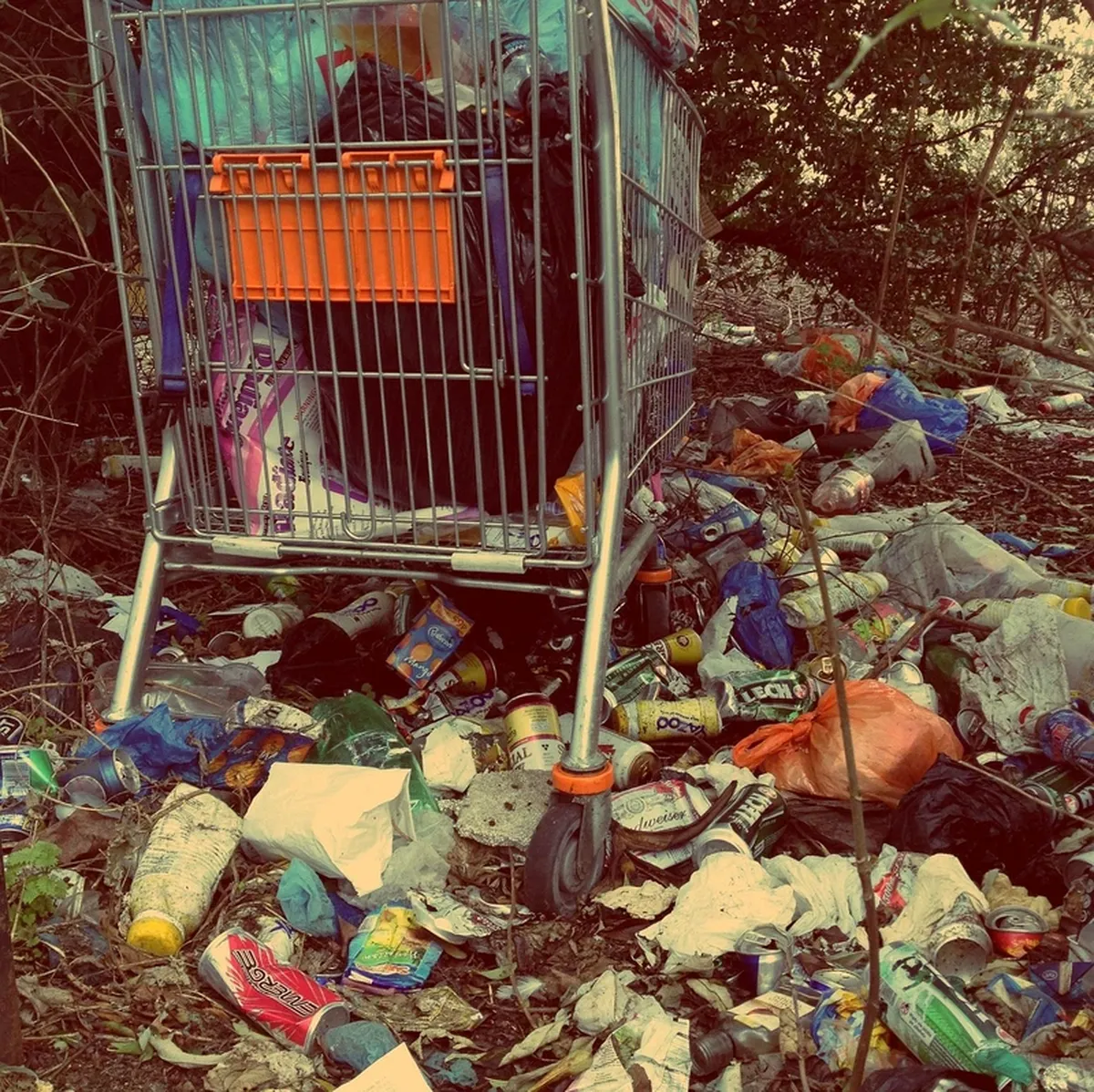
For example, packaging accounts for over 60% of the world’s recycled plastic, but it has a short lifespan. Some automotive parts can be made from recycled plastic, but they use only small amounts of it.
But there are benefits: less risk of environmental disasters such as oil spills. There is potential to develop markets focused on eco-friendly products. Environmentally conscious companies can clarify their strategy by aligning their value chains with sustainability goals.
