
 Carlos Solis
 A team of Chinese and American researchers has uncovered the secrets behind the production of red rice wine in the northwestern province of Gansu during the 2nd millennium BCE. The team says this traditional beverage was often used in burial rituals.
What Did the Researchers Discover?
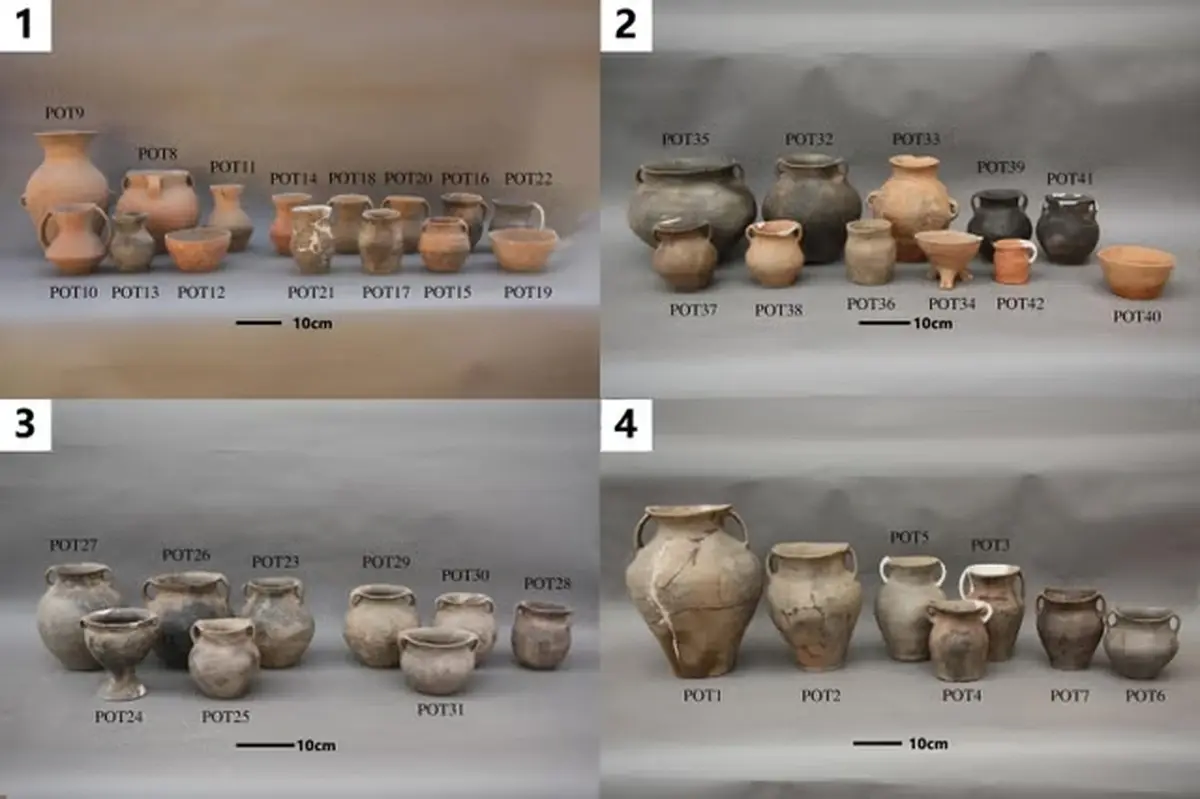
The researchers made this discovery by analyzing dozens of ceramic vessels containing traces of alcohol. These artifacts came from an ancient cemetery used by local communities between 1700 and 1100 BCE, the Independent reported.
Previous studies indicated that the ancient inhabitants of this region regularly consumed plant-based foods and made fermented beverages from them. They used an ancient method that relied on a fermentation starter made from microorganisms that grew on grains — including the reddish Aspergillus mold, yeast, and bacteria.
Ancient written sources mentioned wine produced in this manner, but it was only recently that researchers managed to find its traces.
“Previous studies revealed a significant prevalence of fermented grain-based beverages in Neolithic China,” the team wrote in the Journal of Archaeological Science Reports. However, they added that studies of early Bronze Age beverages are scarce.
The burials where archaeologists found the pottery with wine traces span two ancient cultural periods: Qijia (2300–1500 BCE) and Siwa (1400–1100 BCE). Some of these burials featured side chambers cut into the walls at varying depths, and the ceramic vessels containing the beverage were typically placed above the deceased’s head.
Overall, the scientists analyzed alcohol residues in 42 vessels from different periods of the archaeological site. They determined that these residues contained various plants, including rice, millet, buckwheat, barley, and wheat.
“People made alcoholic beverages using a fermentation starter primarily consisting of rice and mold. This drink, made from various grains, played a significant role in burial rituals,” the team wrote.
