
 Gaby
GabyA team from York University’s FixOurFood research program and the British retailer Co-op used AI to imagine what our food could look like in just a few decades. Ultra-realistic images generated by the Midjourney neural network are hard to ignore.
Right now the planet is suffering from human-caused problems like greenhouse gas emissions, dependence on nonrenewable energy, and pollution of air and water. If humanity doesn’t change course soon, a global catastrophe could follow. Our diets will have to change too.
According to AI-generated projections, by 2054 we will shift to dishes with a much smaller carbon footprint. Among the likely additions are salads with insects (crickets, ants, and the like), algae-based pasta, and lab-grown meat. These options are better for the environment, and food will look different from what we are used to. Such a diet could help protect the planet — but will people accept it?
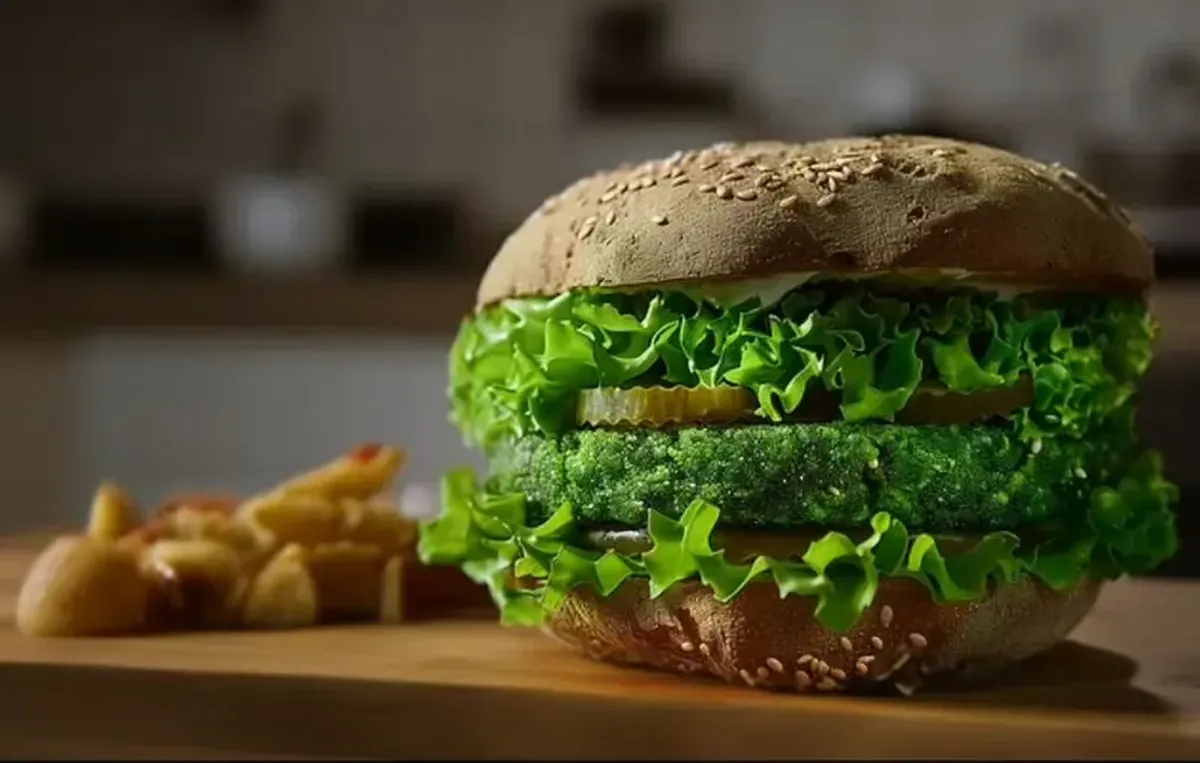
Crickets, worms, and other insects
The researchers say insect-based foods could replace traditional family favorites like roast dinner or fried fish and potatoes.
“Over the last thirty years, we have seen a scientific breakthrough in the production of eco-friendly foods that would have been unimaginable in 1994,” said Bob Doerthy, director of the FixOurFood program. Because red meat and dairy account for a significant share of greenhouse gas emissions, “insects will be a good alternative,” he added.
Crickets, locusts, grasshoppers, worms, ants, termites, and cicadas have a small environmental footprint: they consume far fewer resources than livestock and can be a healthy alternative to conventional meat. Lately they have been promoted as a new superfood. Insects are rich in protein, potassium, and magnesium, and they contain fatty acids that in some cases rival the omega-3s found in salmon.

Lab-grown meat
Lab-grown meat still faces legal and regulatory hurdles. The team believes those obstacles will be overcome by 2054 and that consumers will be able to eat this product without major issues.
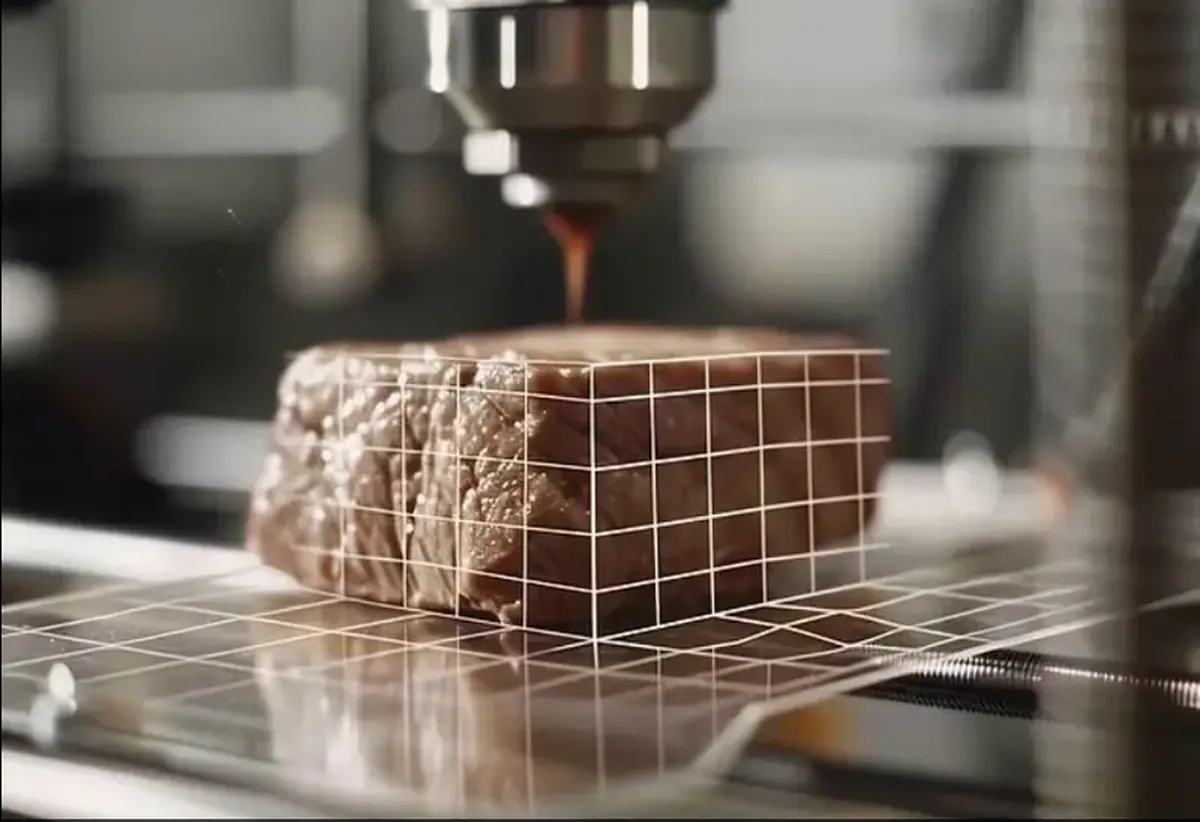
The so-called “lab-grown meat” is an alternative to meat from conventionally raised animals. The Daily Mail reported that, in taste tests, it is almost indistinguishable from traditional meat. To produce lab-grown meat, scientists take a sample of cells from a living animal and grow a meaty mass from those cells. This method uses fewer resources and requires less space than raising livestock.

Although lab-grown meat has not been sold widely in stores, British researchers expect it to become common. They also predict that cultivated meat could be formed into burgers or steaks using food 3D printers.
Some industry experts say food 3D printers could become common kitchen appliances alongside toasters, microwaves, and deep fryers.
Marine plants
Even though fruits and vegetables produce lower emissions than meat, the team worries that climate change could make popular items like avocados scarce.
Researchers expect unusual marine plants, such as the little-known water fern Azolla, could serve as alternatives. Azolla can capture carbon dioxide and may be more resilient to climate change than the crops we currently rely on, according to researchers at Yale University.
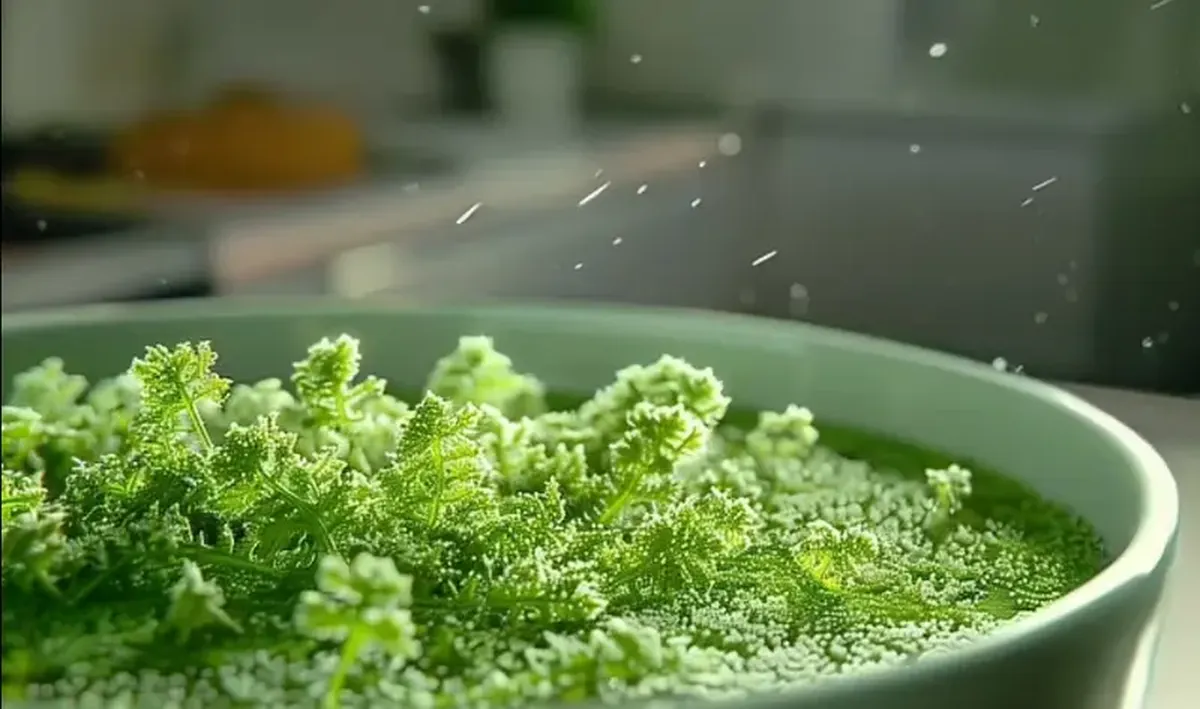
The FixOurFood team described azolla as having a “crunchy texture” and an “earthy flavor reminiscent of the forest.”
Azolla is also easy to shape with a 3D printer into familiar forms like spaghetti, meatballs, and burgers. As the AI images show, azolla can make a nutritious base for soup.

In their report, the team found that 72 percent of consumers are increasingly concerned about ethically and environmentally friendly food. In 1994, only 54 percent of people felt that way. The researchers expect that share to continue rising in the coming years.
