
 Gaby
Gaby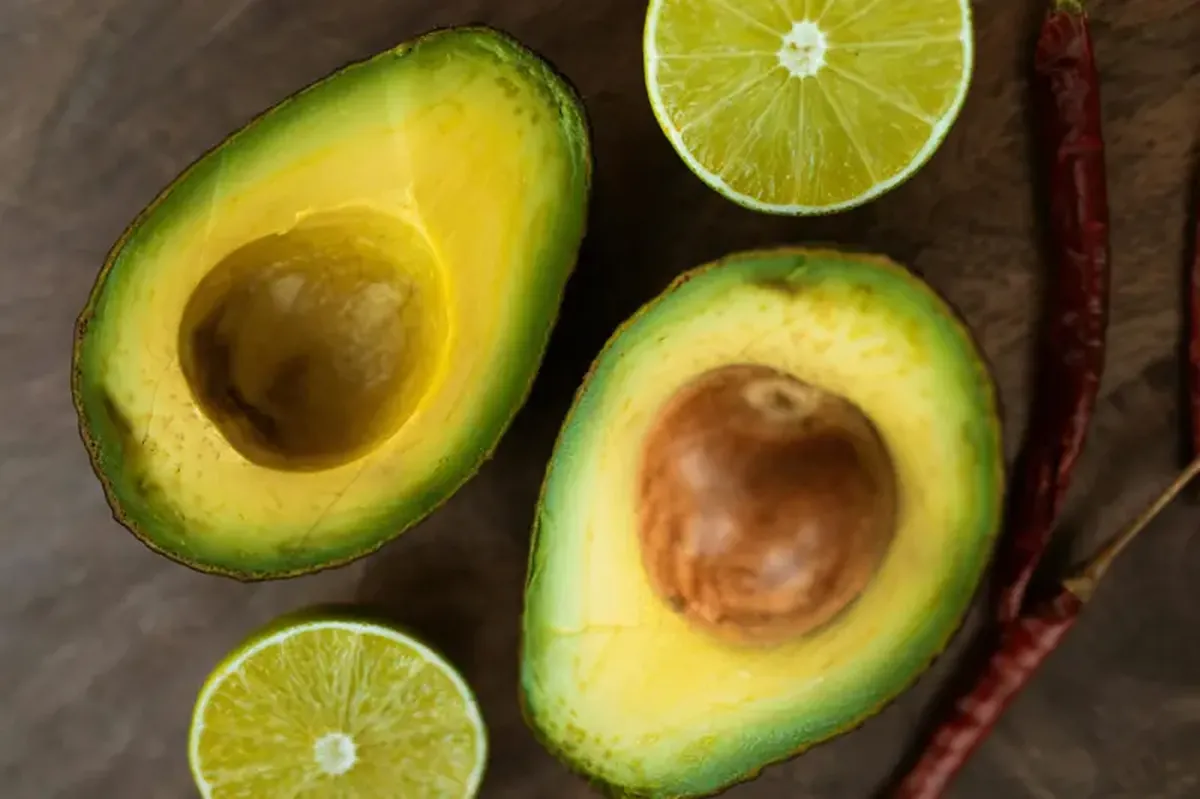
The creamy flesh of the ‘alligator pear’ stands out because of its high fat content and a flavor that’s part pumpkin, part slightly tart pear. Beneath the tough skin of this ripe, single-seeded berry is a texture like butter or pureed greens, so it’s no surprise the fruit is often eaten with a spoon, as if nature had made it a ready-to-eat dish.
‘Forest Butter’
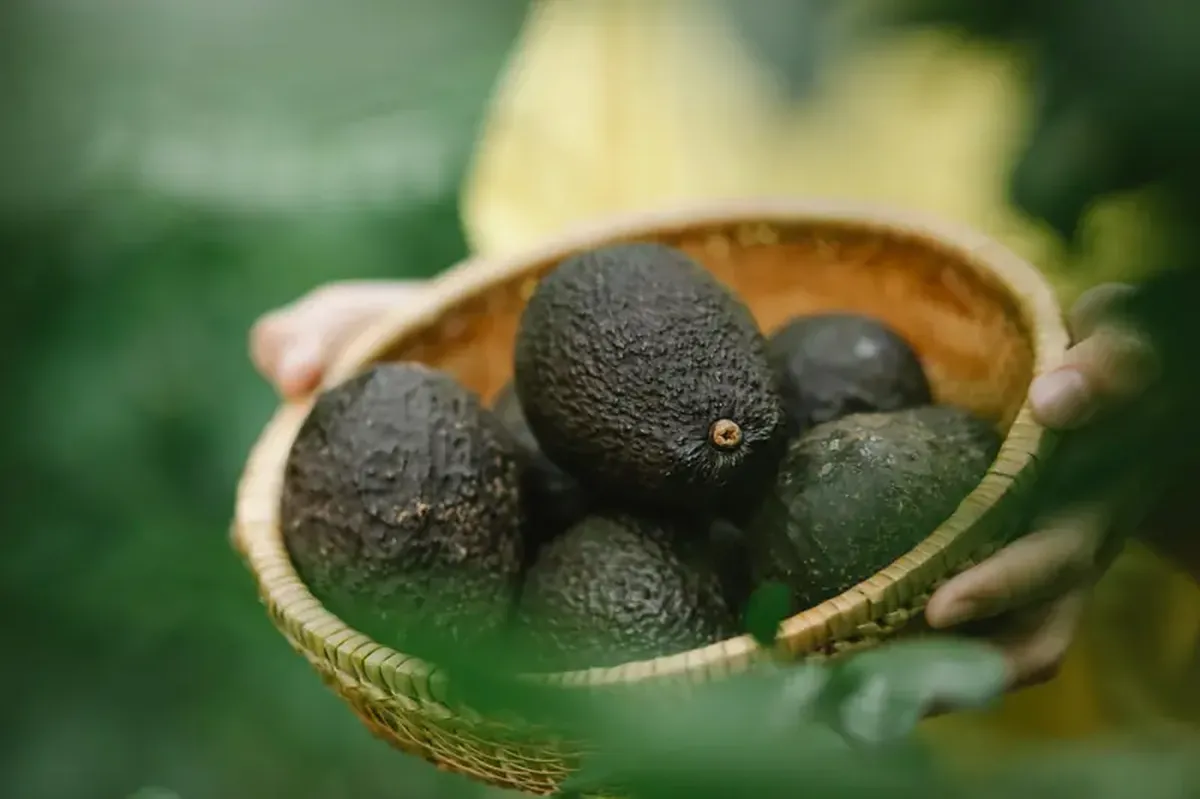
This unusual fruit was originally called āhuacatl by the Aztecs. This ancient Mesoamerican civilization cultivated the valuable tree as far back as the third millennium B.C. The first literary mention of ‘forest butter’ appeared in 1553, when Pedro Cieza de León, author of The Chronicle of Peru, wrote about the avocado. In 1576, Spanish historian and geographer Bernardino de Sahagún described the fruit in his General History of the Affairs of New Spain. In that foundational text on the colonial lands of Central America, the Spanish missionary relayed Aztec knowledge about the medicinal properties of local plants, including avocado.
The indigenous people considered the flesh unsuitable for nursing women, believing the fatty fruit could cause diarrhea. They also used the ground seed mixed with soot to treat dandruff and scabies. The seed of this single-seeded berry is so large that no native Central American animal can swallow it. That oddity has led researchers to suggest an evolutionary anachronism: the seed probably evolved to be dispersed by large herbivores that no longer exist.
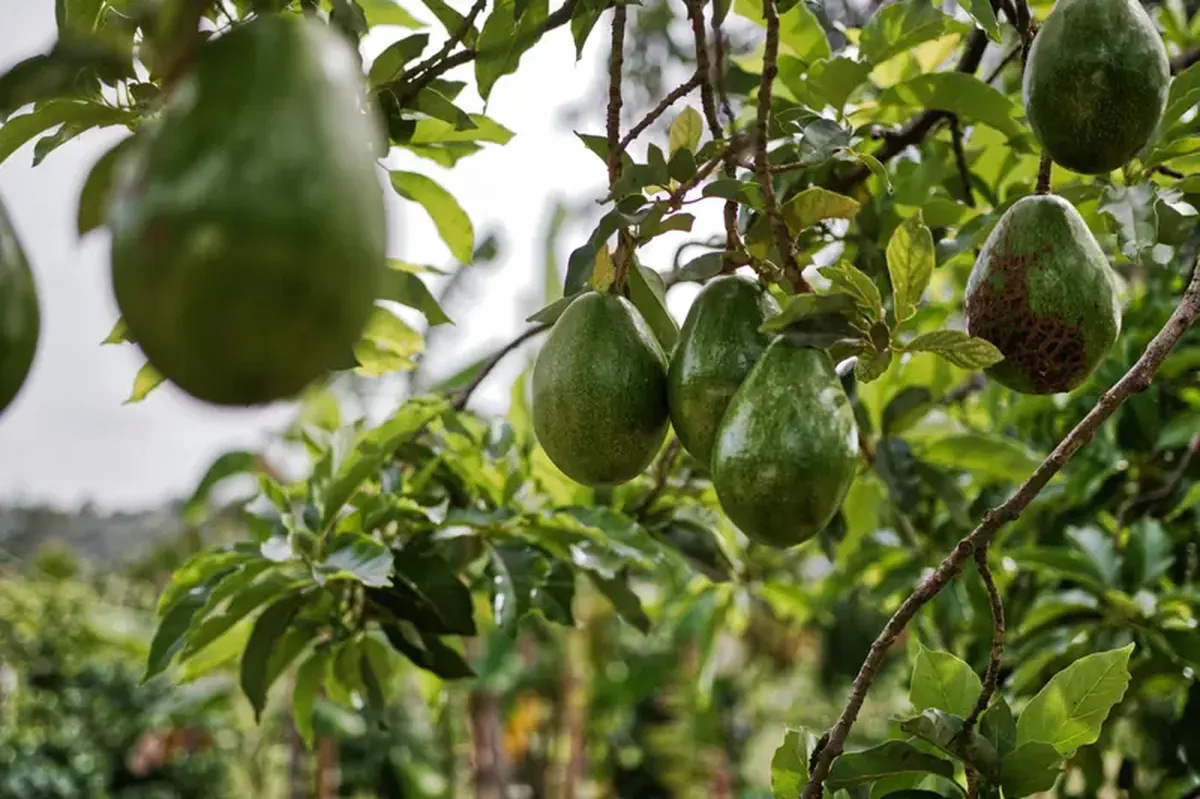
Avocados are believed to have originated in the highlands of Mexico and Guatemala. Europeans called the fruit-bearing plant Persea americana, or the ‘American pear.’ The evergreen tree grows quickly, reaching heights of up to 20 meters, and its wood is used in construction and furniture making. But the main reason the tree is farmed commercially is its pear-shaped fruit, which measure 5–20 centimeters and weigh between 50 grams and 1.8 kilograms. More than 400 avocado varieties are grown across tropical and subtropical regions, with trees yielding 150–200 kilograms of fruit each. Thanks to exporters from Mexico, Brazil, the United States, Africa, and Israel, Europeans can enjoy the fruit year-round.
Benefits and Risks of Avocado
Avocados are prized for their high fat content; the flesh can be nearly 40% oil. Because of that, nutritionists recommend splitting a fruit into two servings rather than eating a whole avocado in one sitting. About 60% of its fat is monounsaturated, with roughly 20% polyunsaturated and 20% saturated fatty acids. The oil is mostly glycerides of oleic acid, along with palmitic and linoleic acids. The flesh also contains niacin, pantothenic acid, and folate (vitamins B3, B5, B9). It provides thiamine (B1), riboflavin (B2), pyridoxine (B6), biotin (B7), retinol (vitamin A), and vitamins K, E, and D (the latter is reported to be present in higher amounts in avocado than in eggs and butter). Avocado also supplies soluble fiber, antioxidants, and minerals such as potassium (higher than in bananas), magnesium, copper, and iron.
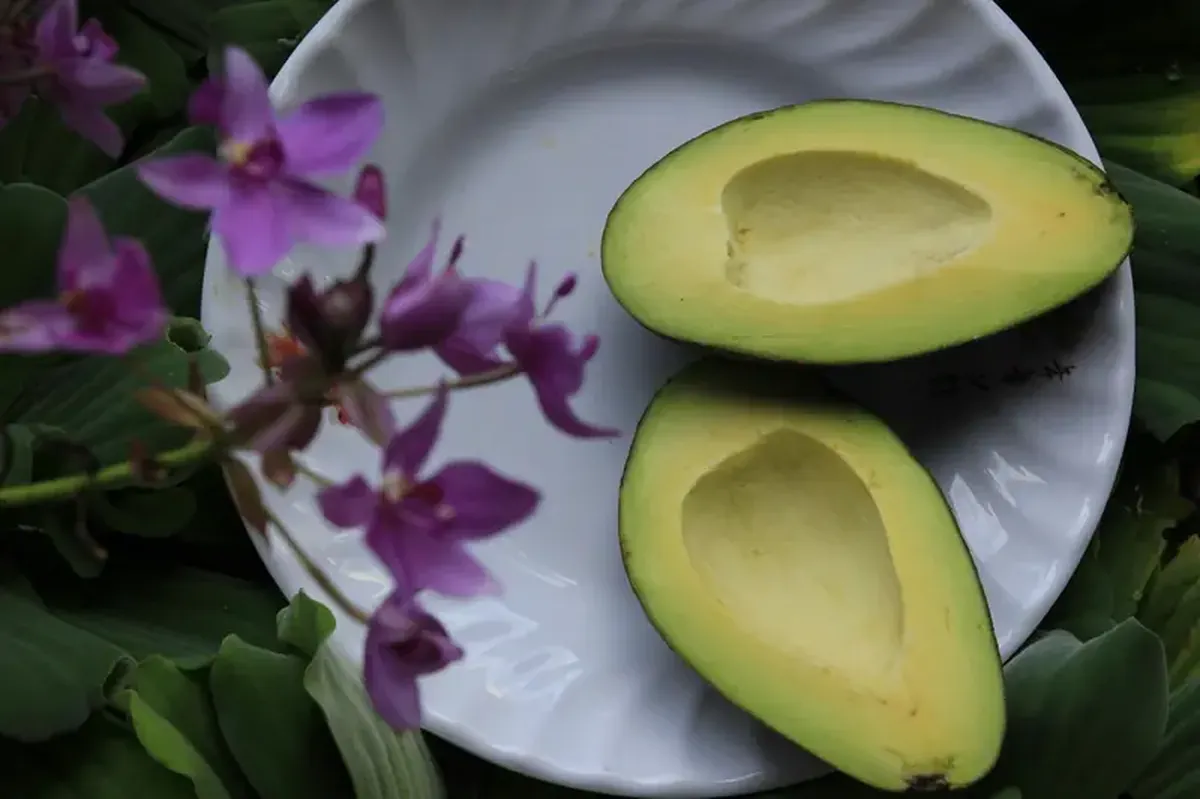
Because of its monounsaturated fats, including avocado in the diet can lower cholesterol levels by more than 8%. Studies have shown that avocado can protect the liver and stomach lining, help maintain blood glucose levels, and improve lipid profiles in people with type 2 diabetes. When combined with soybeans, avocado becomes an effective nonsteroidal anti-inflammatory treatment for osteoarthritis, helping prevent cartilage degradation; doctors call this a slow-acting symptomatic therapy with lasting effects. Avocado is recommended to support heart, kidney, liver, and gallbladder health. For women, it can help regulate hormones and improve the condition of skin, nails, and hair.

But avocado has downsides and contraindications. It shouldn’t be overconsumed, especially by people who are overweight. Frequent consumption can contribute to obesity and disturb the gut microbiome, potentially causing fermentation, belching, and nausea. The skin and seed of the fruit (and the leaves) contain a fungicidal toxin—a fat-soluble compound similar in structure to fatty acids. In humans, this substance, known as persin, can trigger allergic reactions (similar to pollen or latex) and upset digestion. For birds, rabbits, horses, goats, and cattle, eating avocado skins and seeds can be fatal: the toxin can cause fluid buildup, swelling, and suppression of heart and respiratory function.
How to Eat Avocado?
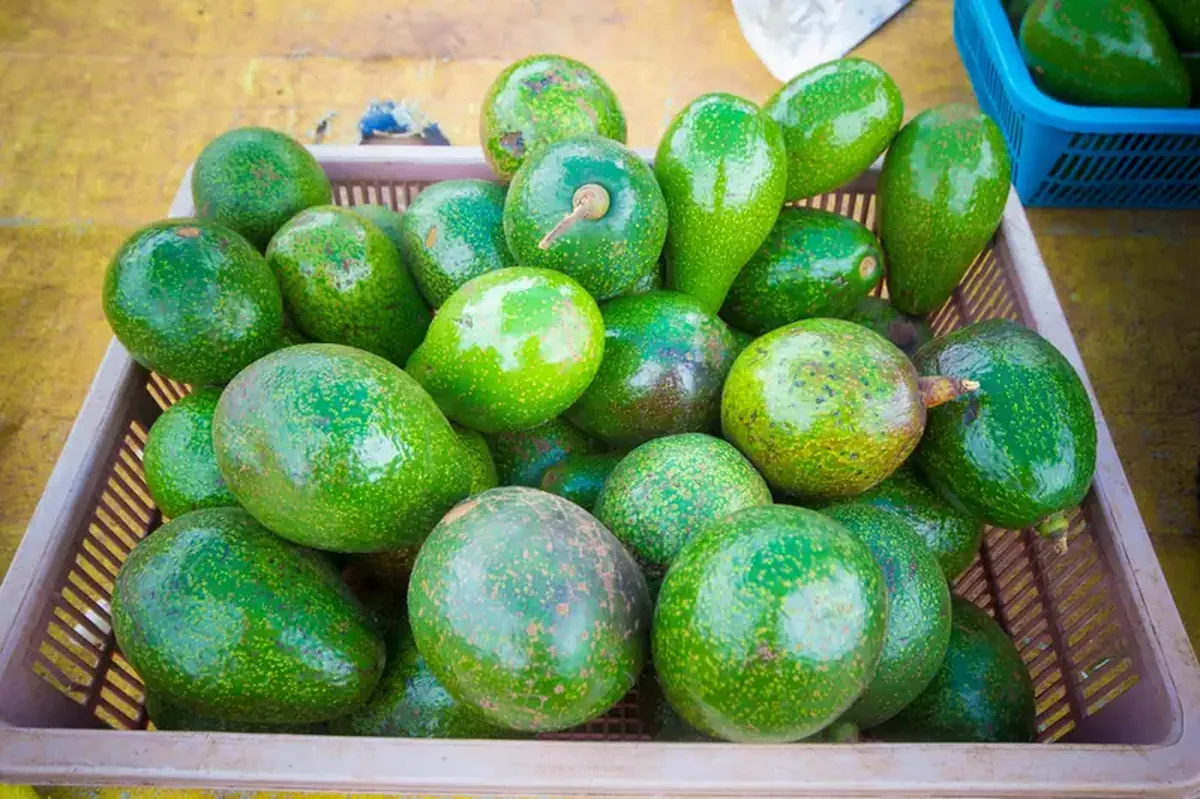
When choosing an avocado at the store, look at its color and firmness: unripe avocados are firm and dark green, and the skin darkens to nearly black as they ripen. Many avocados are sold unripe and hard. To ripen one, leave it at room temperature for two days. If the fruit yields slightly when pressed, it’s ripe and ready to eat. Ripe avocados are soft and dark and can be eaten immediately.
Cut the avocado in half lengthwise, strike the pit with a knife, and twist to remove it. Scoop the flesh out of the skin with a spoon. Eat it straight from the spoon or cut it into pieces like a cucumber. Put the flesh on a plate or spread it on bread to make a sandwich with seafood. Store cut avocado in the refrigerator for up to three days. Freeze the flesh to extend its shelf life to about two months. Tip: when refrigerating a leftover half, leave the pit in place, drizzle the flesh with lemon juice to slow browning, and cover it tightly with plastic wrap.
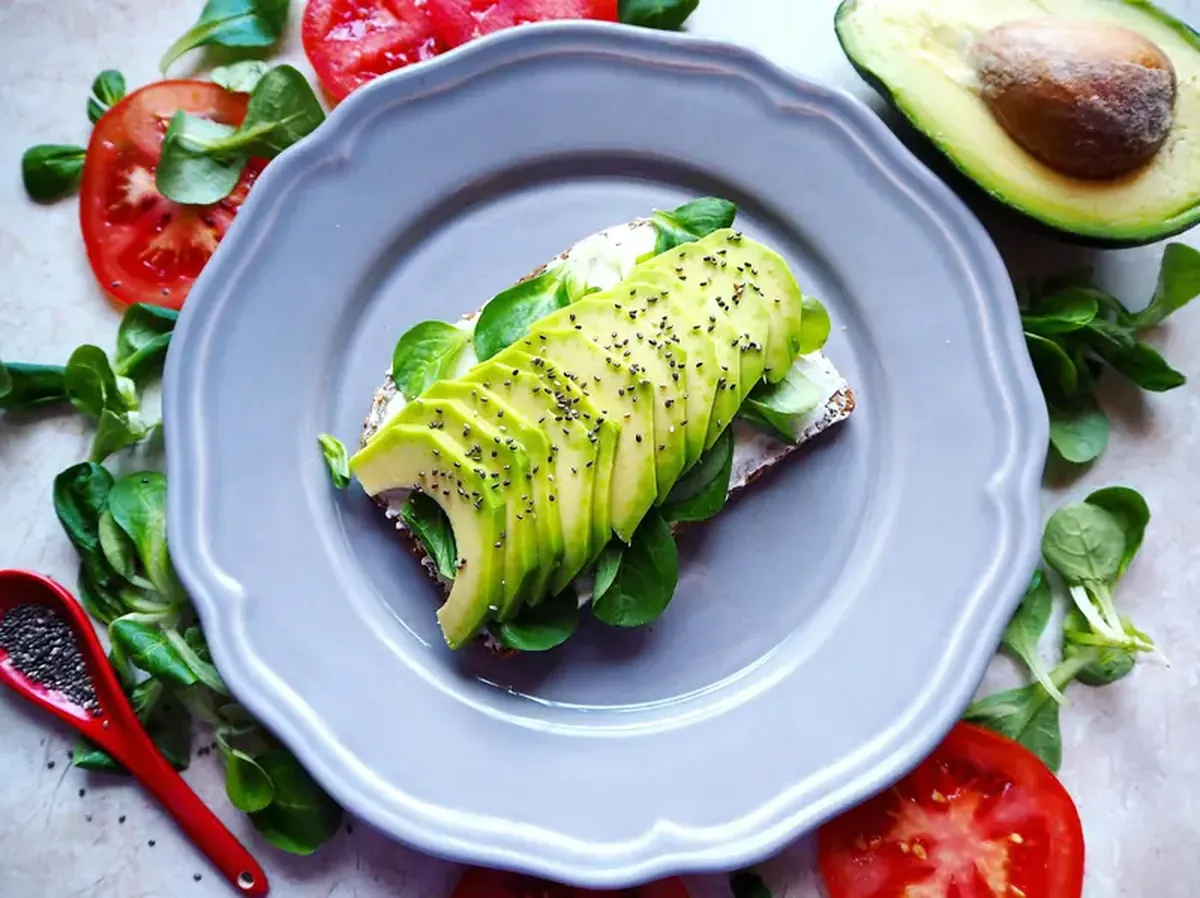
Avocado contains about 160–200 calories per 100 grams of edible flesh. Despite the high fat content, the fruit is often considered diet-friendly because much of its fat—about 12.6 grams of the 14.7 grams per 100 grams—is unsaturated. Ripe avocado flesh appears in modern cuisine across sandwiches, salads, and cold appetizers; it pairs well with salmon, mussels, eggs, cucumber, banana, and grapefruit. Popular dishes include croissants with salmon and avocado, rolls with salmon and avocado, salads with salmon and cucumber, salads with mussels and grapefruit, toast with poached eggs and avocado, and smoothies made with avocado and banana.
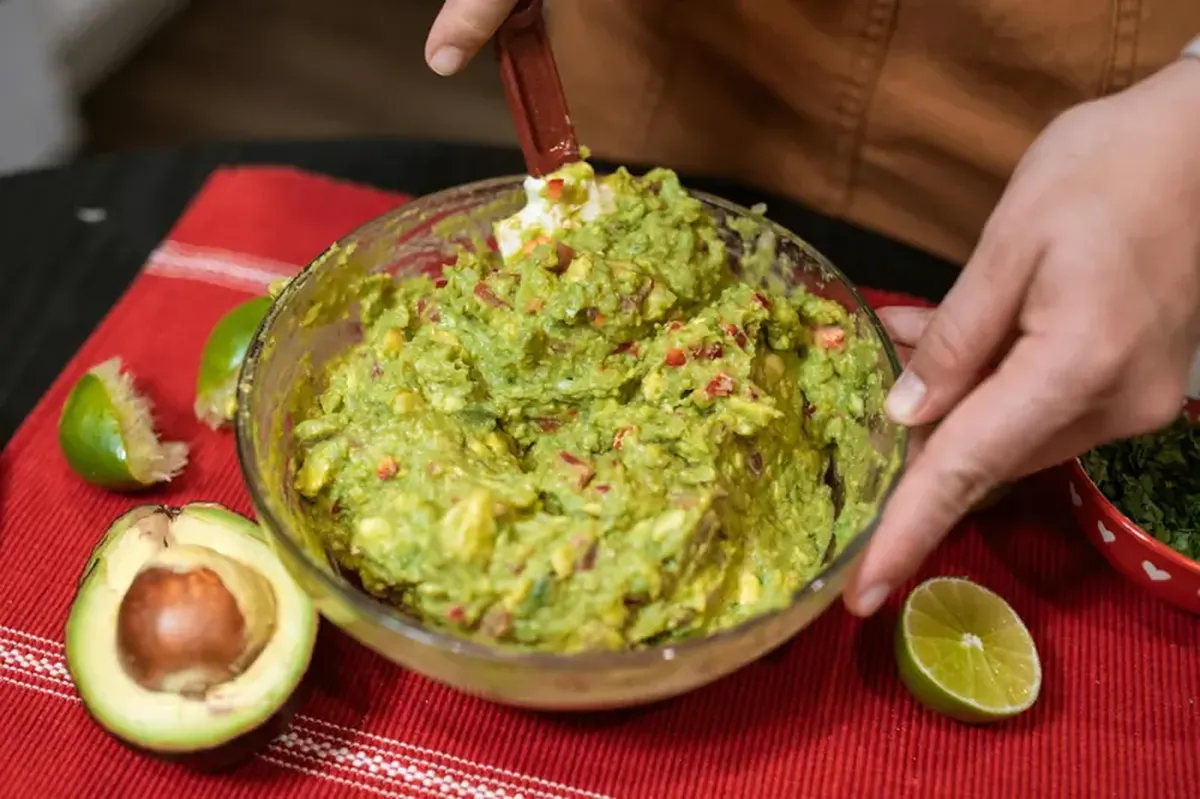
One of the most famous avocado dishes is guacamole: pureed avocado mixed with spices, vegetables, lime juice, and salt. In Mexico, avocado also appears in soups served hot or cold. In vegetarian cuisine, avocado can be a filling for sushi, and it can replace eggs and meat in many cold dishes. Brazilians use the fruit in milkshakes and sweet creams for desserts. People who have tried these dishes usually enjoy them.
