
 Gaby
Gaby
Modern weight-loss strategies work with nature, use bioactive ingredients, pay attention to food energy, and sometimes rely on appetite tricks.
Weight Loss According to Lunar Rhythms
The idea is that the body stores energy during the waxing moon and uses it more actively during the waning moon. Food is supposedly absorbed differently across lunar phases: during the waxing phase absorption peaks and favors storage, while during the waning phase the body burns calories more efficiently and stores less. By aligning eating patterns with lunar rhythms, some people aim to normalize their weight. Schedule detox days during the waning moon, when the body is said to eliminate waste more readily. Eating by lunar rhythms is presented as a gentle form of fasting, with claimed weight loss of 3–5 kg per month.

On the first day of the moon, start by cleansing the intestines with a chamomile enema. Eat as usual that day, but halve your portions. At night, perform another chamomile enema and do not eat.
On the second day of the moon, do not eat or drink. Hold slightly acidic water in your mouth if you need to alleviate dryness. Make the 14th and 28th lunar days equally strict. Before any day of “dry” fasting, cleanse the intestines with an enema.
Use the 8th, 10th, 11th, 12th, 18th, 20th, 25th, and 29th lunar days for “wet” fasting. During those days, consume only fluids: still water or chamomile tea. Limit fluids to no more than 3 liters per day to avoid overloading the kidneys and flushing out essential nutrients.
Between “dry” and “wet” fasting days, eat normally. During the waxing moon, halve your usual portions and skip dinner. This method aims to keep the body nourished while giving it regular detox days.
Biologically Active Additives
Critics point out that dietary supplements are not drugs, do not always undergo clinical trials, and often lack rigorous registration, so their effectiveness and side effects can be unclear. Still, here are some common components of weight-loss supplements and what they are claimed to do.
Bromelain. This enzyme from pineapple is promoted as helping break down proteins, improving microcirculation, reducing swelling in subcutaneous fat tissue, and aiding fat metabolism.
Grapefruit extract. This supplement is valued for antioxidant effects: its bioflavonoids may help regulate aspects of metabolism.
L-carnitine. This amino acid, produced in the body, helps fatty acids enter cells for energy. A deficiency can impair organ function.
Chromium picolinate. This trace element is used to suppress hunger pangs and dizziness during dieting. Chromium supports normal blood sugar levels by influencing carbohydrate metabolism.

Remember the potential side effects of weight-loss supplements. To speed results, some manufacturers add diuretics and laxatives; uncontrolled use of those can cause dehydration, kidney and heart problems, dysbiosis, and other harms. Weight lost through fluid loss often returns once the body rehydrates.
What Is Molecular Cuisine?
Modernist or molecular cuisine applies chemistry and physics to cooking. Chefs use scientific principles to change textures, highlight flavors, and invent new versions of familiar foods.
One early example came in 1999 from British chef Heston Blumenthal, who made a mousse from caviar and white chocolate — the amines in those ingredients turned out to pair surprisingly well. Molecular experiments have produced hybrids like ginger-strawberry (a fruit that blends warm and cool flavor notes), mangolino (mango with a woody character), black pepper that tastes like cured sausage, jellies evoking tomato soup or pickles, crab syrup, and more.
Molecular cuisine changes the techniques behind traditional dishes, invents new recipes from familiar ingredients, and sometimes integrates supplements or concentrated extracts. Unlike cheap artificial additives, this approach considers the chemical composition and physical state of natural foods to produce balanced results.
The downside is cost: the techniques require specialized knowledge and equipment — thermostats, centrifuges, siphons, smoking guns, vacuum dehydrators, and shock-freezing gear. As these tools become more accessible, molecular methods could help people lose weight by making healthy food more appealing.
Weight-Loss Recipes from Molecular Cuisine
You can start with simple dishes that don’t demand complex gear. These recipes are suitable for home cooking.
Tomato Soup Cubes
Ingredients: chicken broth – 350 ml, carrot – 1 medium root, green onion – half a stalk, cherry tomatoes – 6, tomato paste – 2 tablespoons, garlic – 2 cloves, agar-agar – 1 packet, salt, pepper, and herbs to taste.
Bring the broth to a boil, add sliced vegetables, tomato paste, spices, and herbs. Simmer over medium heat for 20 minutes. After cooling, puree the soup, strain it through cheesecloth, and return it to a pot. Add the agar-agar packet and, stirring, bring to a boil. Remove from heat, pour into molds, and chill in the refrigerator until set.
Protein-Yolk Paste
Ingredients: chicken eggs – 2 per serving.
Place the eggs in a ceramic baking dish, cover them with water, and seal with a lid. Cook in a gently heated oven at 64°C (147°F). After two hours, the eggs will transform into a delicate, cream-like paste. Use this texture for spreading on bread or in sauces.

Green Spaghetti
Ingredients: arugula – 50 g, water – 1/2 cup, agar-agar – 1 packet.
Prepare a blender, a pastry syringe, and silicone tubing.
Tear the arugula roughly, cover it with water, and blend until smooth. Transfer to a pot, add agar-agar, and bring to a boil while stirring. Remove from heat and load the mixture into the syringe. Squeeze the puree into the silicone tube, then cool the tube in cold water to set. After five minutes, attach the tube to the syringe filled with air and extrude the green “spaghetti” onto a plate.
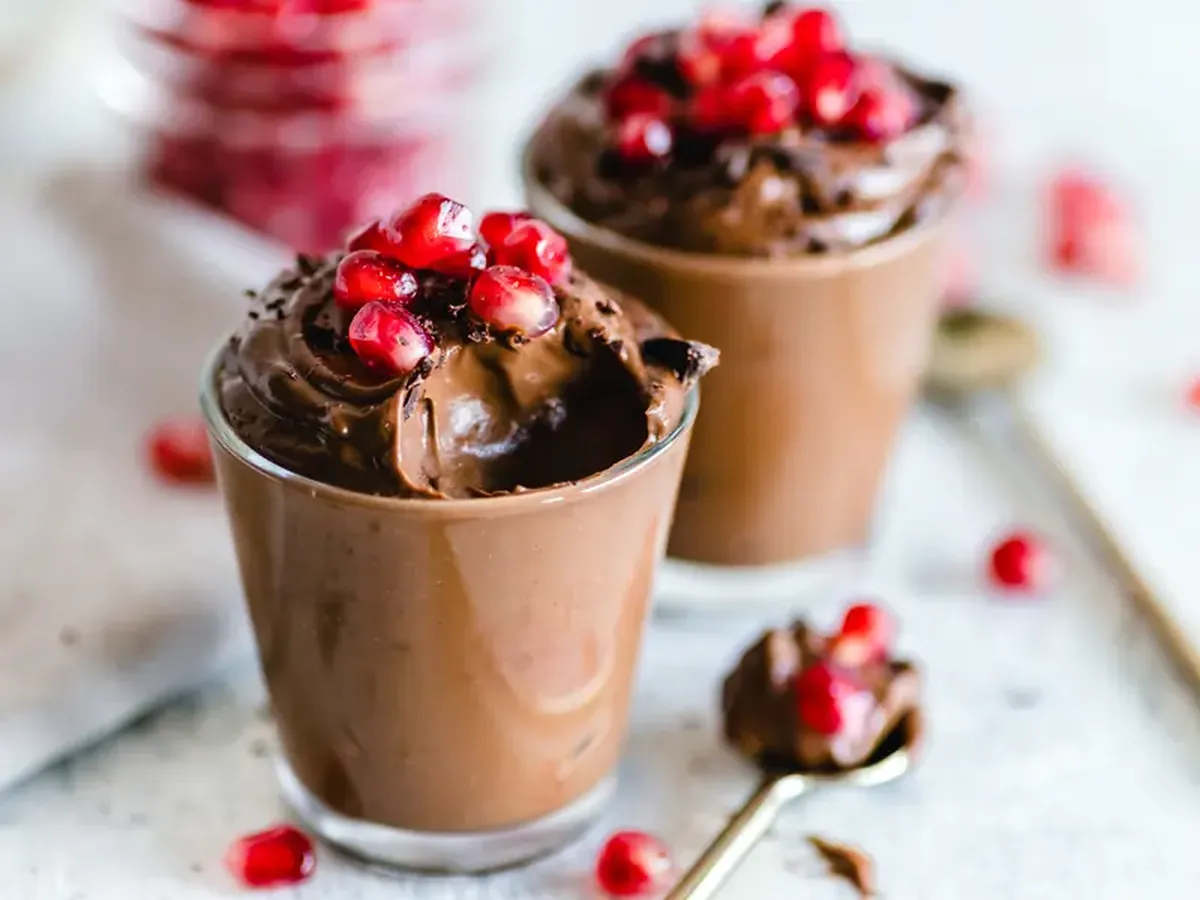
Chocolate Mousse
Ingredients: chocolate (62% cocoa) – 225 g, water – 200 g, ice – 200 g.
Melt the chocolate. In a large bowl, fill cold water and add ice. Place the bowl of melted chocolate in the ice water. Whip the chocolate with a mixer until it reaches a soft but stable consistency.
Calorie Counting
Calories on food labels can be misleading because the original methods for calculating them are old.
The calorie system dates to the 19th century and the work of American chemist Wilbur Atwater, who measured food energy by burning food and measuring the combustion. He applied similar methods to estimate bodily energy use and concluded that proteins and carbohydrates contain about 4 kcal per gram and fats about 9 kcal per gram. Those numbers still form the basis of labeling today. Some 21st-century nutritionists recommend adding up to 25% to label figures to account for modern food processing.
Absorption matters as much as potential energy. Chewing uses muscles and expends calories. Fiber and protein are harder to digest, while highly processed foods are absorbed faster and more completely. For the same labeled energy value, a processed store-bought patty can yield more usable calories than an equivalent portion of whole meat.
You can also use apps that estimate calories from photos. Some American developers created software that recognizes food components, estimates portion size, and converts that into calories with a reported error around 3.7%.

How to Lose Weight at Home
You can maintain a healthy weight without obsessively counting calories.
Rules for Choosing Foods
- Prefer plant-based foods. If you eat meat, choose meat from herbivorous animals raised in natural conditions.
- Proven helpful foods include whey protein, cucumbers, tomatoes, zucchini, corn, and culinary herbs and spices.
- Choose organic products when possible — they are grown without pesticides and chemical fertilizers.
- Reduce the “white” items in your diet (salt, sugar, refined flour, white rice) and favor “colorful” options (vegetables, fruits, whole-grain bread, brown rice).
- If a product’s ingredient list is longer than the digits on your fingers, it’s likely highly processed and not ideal.
- If you don’t recognize an ingredient, skip the product. Some chemical additives can cause allergies or other health problems.
- The closer a product is to its original form, the healthier it tends to be: fresh tomatoes are better than ketchup, nuts are better than nut oil, and whole cuts of meat are better than processed meat.

What Reduces Appetite?
Sometimes appetite control comes down to choosing the right foods.
- Leafy vegetables — spinach and cabbage. The body expends significant energy to process them, so eating them helps avoid excess calorie gain.
- Pine nuts. Their fatty acids stimulate production of cholecystokinin, a hormone that helps regulate appetite and satiety.
- Olive oil. Small amounts can help reduce appetite.
- Hot food (especially hot soup) — aroma and warmth can create a strong feeling of fullness.

Raw Is Better
Some studies suggest cooked food delivers more usable calories than raw. Boiled or fried foods can yield more energy than the sum of their raw ingredients because processing makes nutrients easier to absorb.
Researchers at Harvard found differences in energy gain between processed and raw diets in animal studies over several weeks. They concluded that the dietary patterns shaped by cooking and food processing during human evolution no longer match modern lifestyles: we expend far less energy today than our ancestors did. As a result, returning to minimally processed or raw foods can make sense for some people trying to lose weight. Keep that in mind when choosing home weight-loss methods.
