
 Gaby
Gaby
How a utilitarian sleep item for women became a “weapon of victory” for warriors, and why a philosopher helped advance how it was made.
The Evolution of Socks
It all began with wrapping feet in hair and animal skins. Ancient Greeks covered their heels and toes with leather devices for sleeping comfort; at first these “insulators” were used only by women in bed. Men in Ancient Greece wore socks primarily for performances on stage.

Later, leather and linen socks appeared in Rome; they covered the calves and resembled modern knee-highs, later evolving into stocking-length garments. By the 2nd century AD, makers were sewing fabric to patterns, attaching the sole to the upper pieces. British warriors borrowed the Roman sock design, valuing its practicality in military life. By the 5th century, socks resembling leg wraps symbolized purity among European clergy.
Knitted socks arrived from Spain in the 16th century. Craftsmen, mostly men, made them by hand. Since the Middle Ages, sock design has followed fashion: as pants lengthened, socks shortened, and vice versa. Before elastic thread existed, socks were held up with garters.

The era of mass production for knitted socks began in 1589 with the invention of the first knitting machine by William Lee, a master of philosophy rather than a traditional engineer. The machine, invented by this Cambridge graduate, could knit about 1,200 stitches per minute and helped make hosiery affordable. Its impact on sock production is comparable to the invention of nylon in 1938, which made modern blended socks possible.
Stay Dry and Warm
The warmest, most comfortable socks are blends that favor natural fibers. These blends are used in high-tech thermal socks, which fit snugly around the foot and provide excellent warmth. Aim for 70%–80% cotton or wool and 5%–10% elastane. In higher-end socks, polyamide is used instead of polyester; it can make up 10%–25% of the fabric. Thin, lightweight, durable polyamide thread extends a sock’s lifespan and makes it pleasant to the touch.
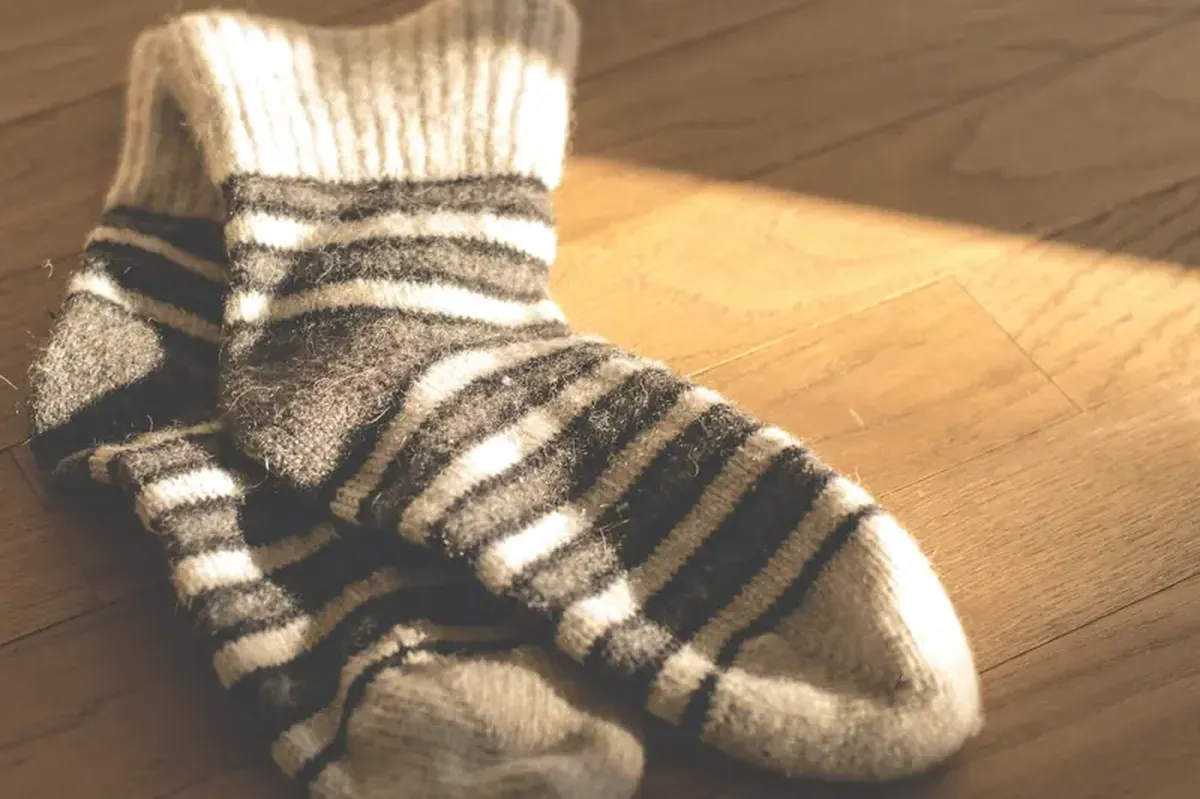
Natural fibers are less likely to cause allergic reactions, allow air to circulate, and absorb moisture, while synthetic components soften the fibers, add strength, speed drying, and help preserve the product’s color and shape.
In cotton socks, the skin of the feet “breathes,” and the material does not pill. Cotton is warmer than linen and more durable than wool. For cold weather, wool is the better choice: its balance of thermal insulation and moisture-wicking keeps feet warm without making them sweat. Warm socks are often knit from sheep, goat, rabbit, and camel wool. For everyday use, choose factory-made wool socks; they tend to be thinner and more durable.
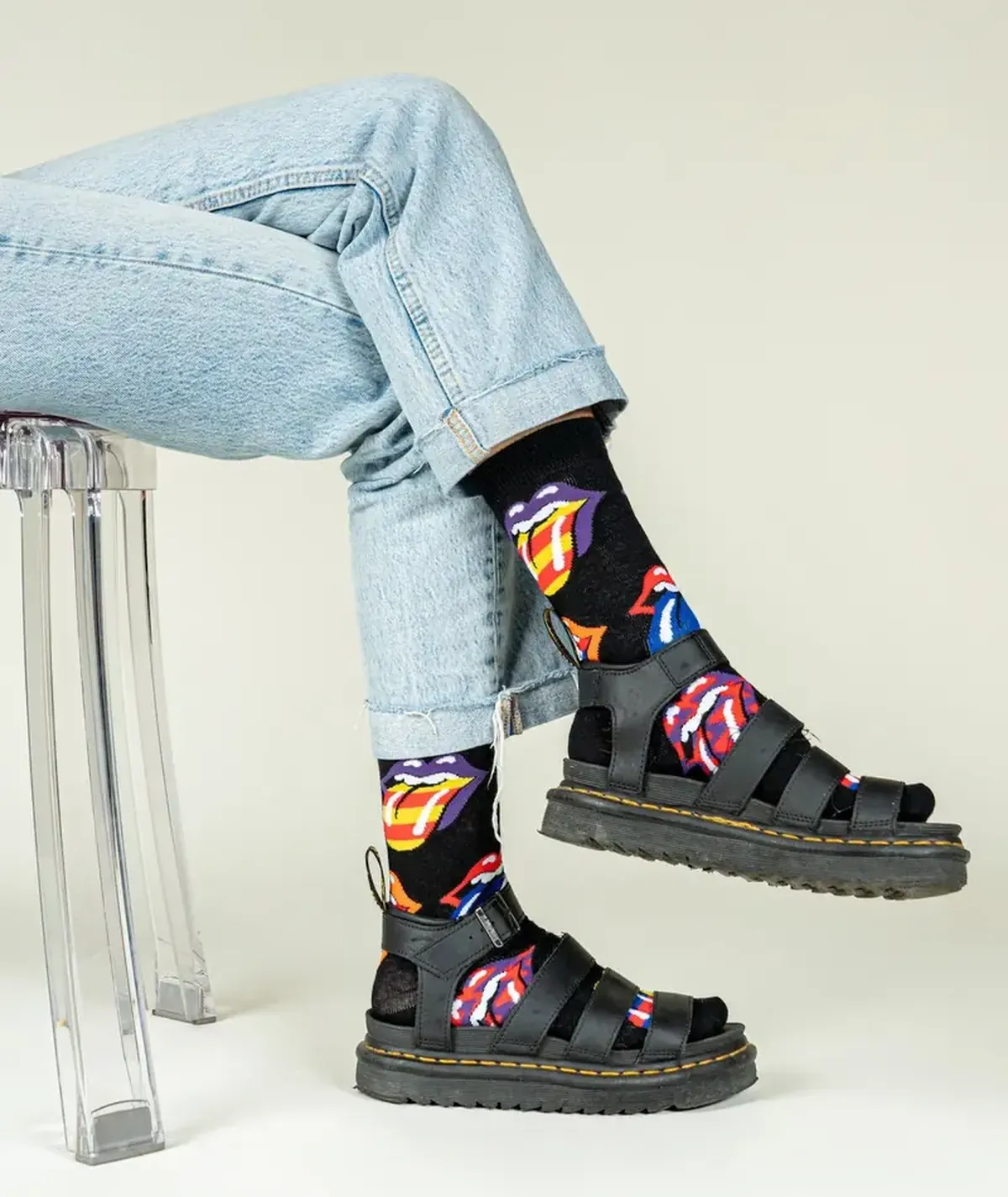
Today, socks have once again become a focal point for trendsetters. Socks aren’t hidden in shoes anymore — they’re on display. Fall and winter trends favor elongated, bright, patterned, and casually slouched socks that still serve the basic function of keeping us warm in the cold.
