
 Gaby
GabyOne hundred fifty-two astrologers who took part in the experiment led by Spencer Greenberg were correct only about 20 percent of the time and often disagreed with each other. So if you are one of the millions of people who turn to horoscopes to learn about your future, the researchers have bad news for you.
Astrology supporters claim that the movement of stars and planets can influence a person’s life and even predict it. But if this were true, astrologers could predict the position of the stars at the moment of a person’s birth simply by having information about that person. However, the responses of participating astrologers to questions in a test dedicated to this topic were no more accurate than random guessing.
What did mathematician Greenberg learn?
Many modern astrologers claim that the birth chart or natal chart (the map that records the positions of celestial bodies at the moment of a person’s birth) can be used to predict personality traits and future events.
To put astrology to a rigorous test, mathematician Spencer Greenberg teamed up with the American social enterprise Clearer Thinking. In his social media post, Mr. Greenberg noted: “One of the most fundamental claims of astrology is that a person’s natal chart contains information about their life and character. If this is true, then astrologers should be able to accurately create a person’s chart at a speed that significantly exceeds that of random guessing.”
Greenberg consulted six astrologers to identify what specific life details they would need to construct a natal chart. Using that input, the researchers created a questionnaire and selected 12 questions that formed the basis of the test, according to the Daily Mail. Then the 152 participating astrologers were given information about an anonymous person and asked which of five possible birth charts could belong to her. Greenberg said his team aimed to conduct an objective study; if astrology works, the correct chart should be identifiable.
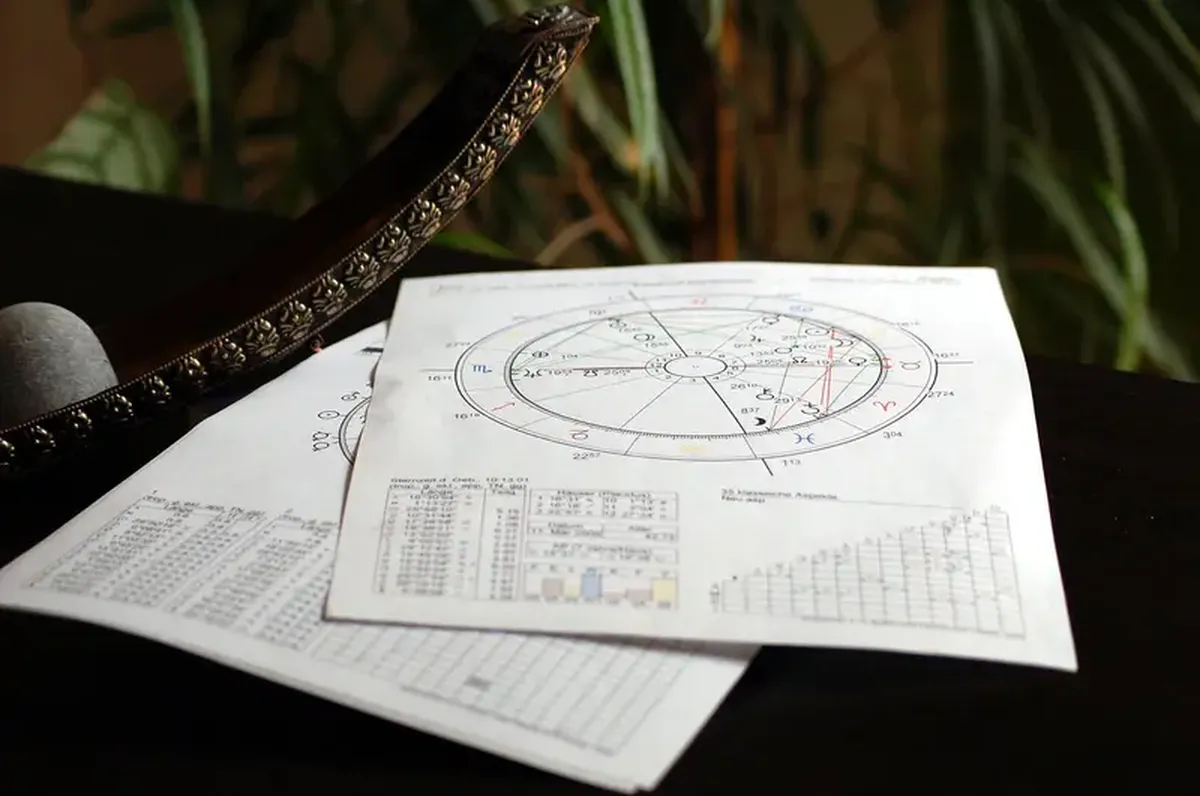
Scientists offered a cash prize of $1,000 to any astrologer who could correctly answer 11 out of 12 questions.
After the test, more than half of the astrologers said they were confident they had answered most questions correctly. But on average they got only 2.49 answers right out of 12 — a result consistent with random guessing.
In general, no participant was able to answer more than five questions correctly.
They also rated their experience on a scale from “I have little experience” to “I am a world-class expert.” Although more experienced astrologers expected their predictions to be more accurate, the results showed no statistically significant difference.
Moreover, on average, those who considered themselves world-class experts performed slightly worse than those who modestly reported a lack of experience.
The study’s authors highlighted the very low level of agreement among participants.
Astrologers rarely expressed a unanimous opinion on any question. Even the most experienced group agreed only 28 percent of the time. Greenberg noted that if all participants were responding randomly, one would expect agreement about 20 percent of the time.
“For me, it was truly amazing. It shows that astrology is perhaps less standardized than one might think,” he added.
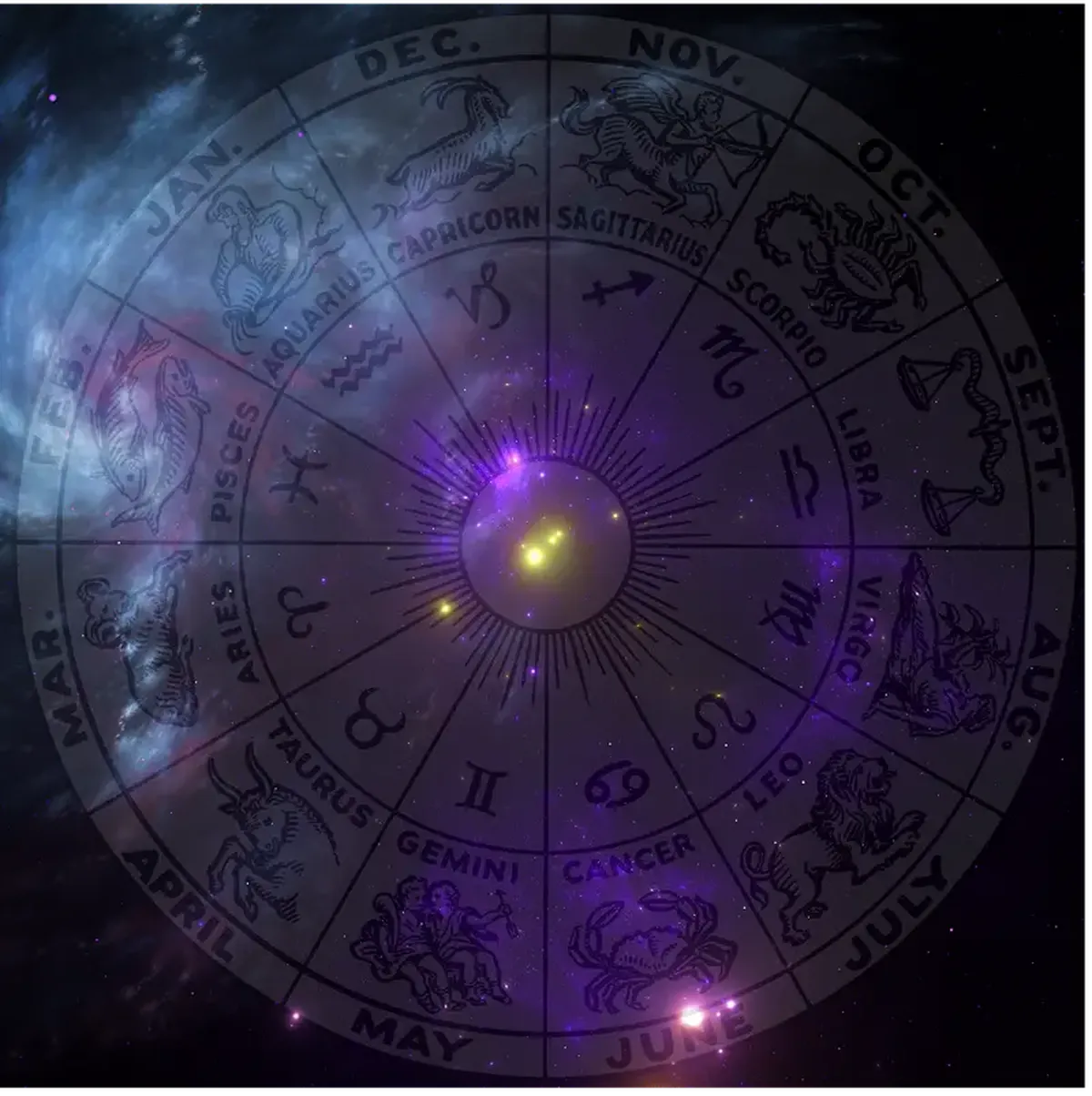
People usually think that astrology is an innocent pastime that hardly deserves such intense study. However, Greenberg argues that this topic is just as worthy of examination as any other.
He says that if astrology worked, it would require a revolution in our scientific understanding, because modern physics provides no mechanism that could explain it.
On the other hand, Greenberg added that if astrology doesn’t work at all, it’s important to know — millions of people believe in it, and they would be better off turning to other sources of information.
The results of the study were published in New Scientist.
By the way, in 2022, experts estimated the annual size of the global mystical services industry, which includes astrology, tarot readings, and palmistry, at $2.2 billion.
