
 Carlos Solis
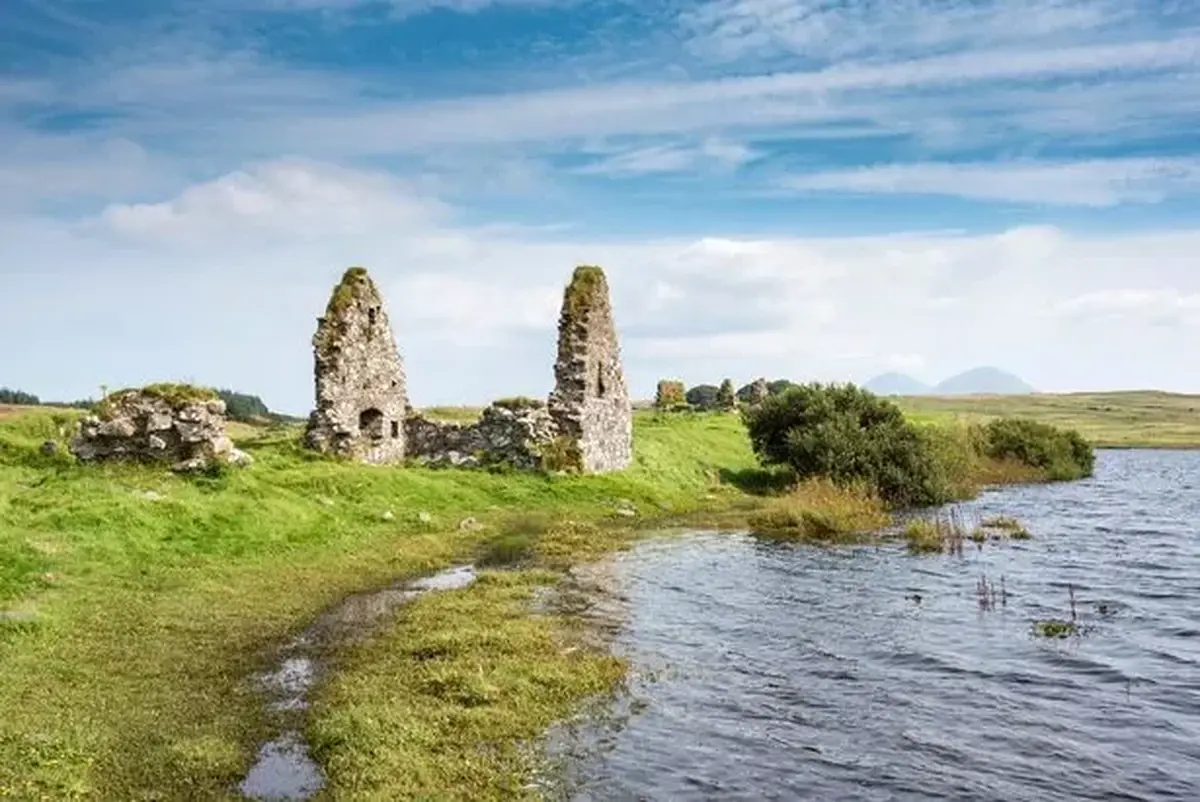 on the remote island of Islay was the center of power for the mighty Lords of the Isles, who were closely tied to the MacDonald clan and ruled a significant portion of western Scotland about 700 years ago. Islay was connected by an artificial causeway or bridge to a smaller island, which housed part of the residence.
The castle featured a grand banquet hall, a chapel, workshops, bedrooms, and numerous other rooms.
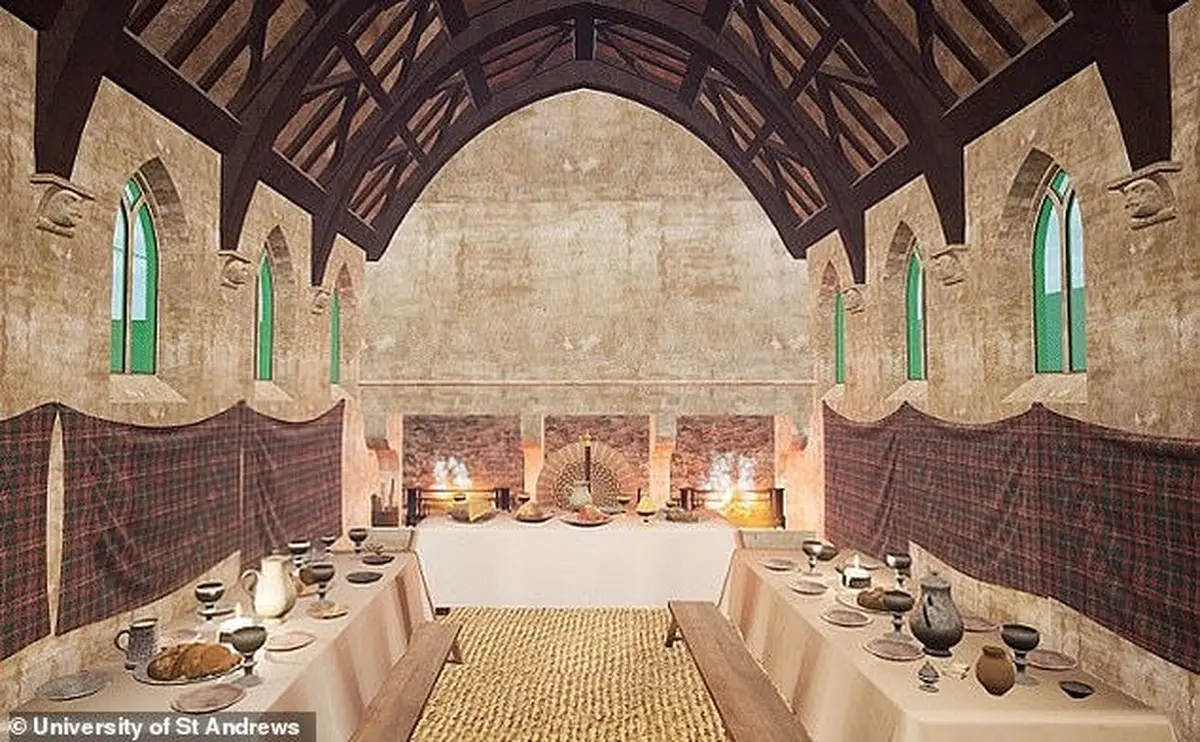
The Lords of the Isles lived in comfort and luxury throughout their reign from the 13th to the 15th century. They were isolated from the Scottish monarchy, which did not sit well with kings like James IV, who ruled primarily from Edinburgh and Stirling in the east.
This community of semi-autonomous nobles governed their territories in the Western Isles and the Highlands. However, by the end of the 15th century, the community faced collapse. For reasons unknown, the fortress was destroyed, and the castle, along with other buildings, fell into ruin.
What else did archaeologists find?
According to new archaeological data, the “unnamed” fortress occupied two islands, as reported by Daily Mail.
On the larger island, there was a substantial stone tower that served simultaneously as the lord’s residence, a defensive structure, and a lookout point.
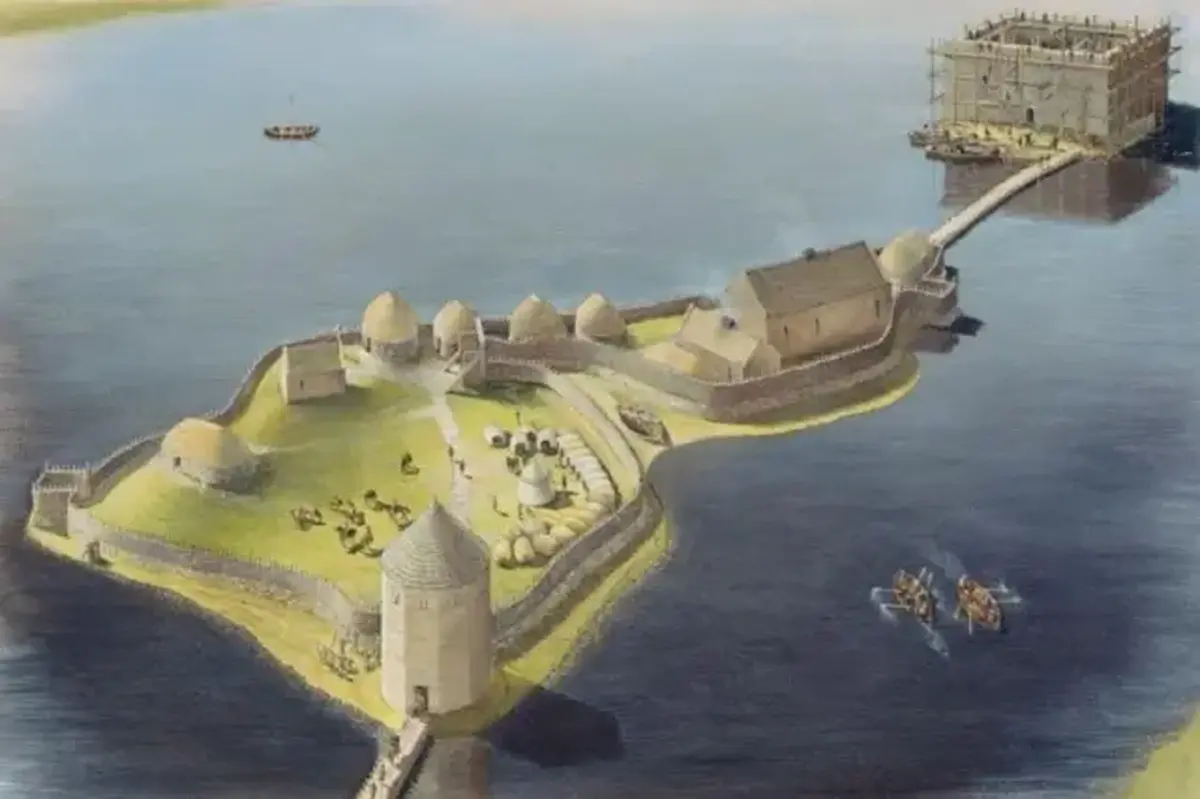
The smaller island featured a rectangular courtyard with houses, cooking facilities, workshops, a chapel with a cemetery, and a large banquet hall.
During the 14th and 15th centuries, the settlement experienced a period of prosperity when the Lords of the Isles ruled the Hebrides and parts of the mainland and Ulster.
Historians note that the Lords of the Isles enjoyed music, imported wine, and board games. These powerful leaders treated English and Scottish kings as equals.
The fortress had few defensive structures, which likely indicates how secure the castle’s lords felt on Islay. Perhaps it was this vulnerability that led to its short-lived existence. Archaeologists remain uncertain why it ultimately fell into ruin.
