
 Carlos Solis
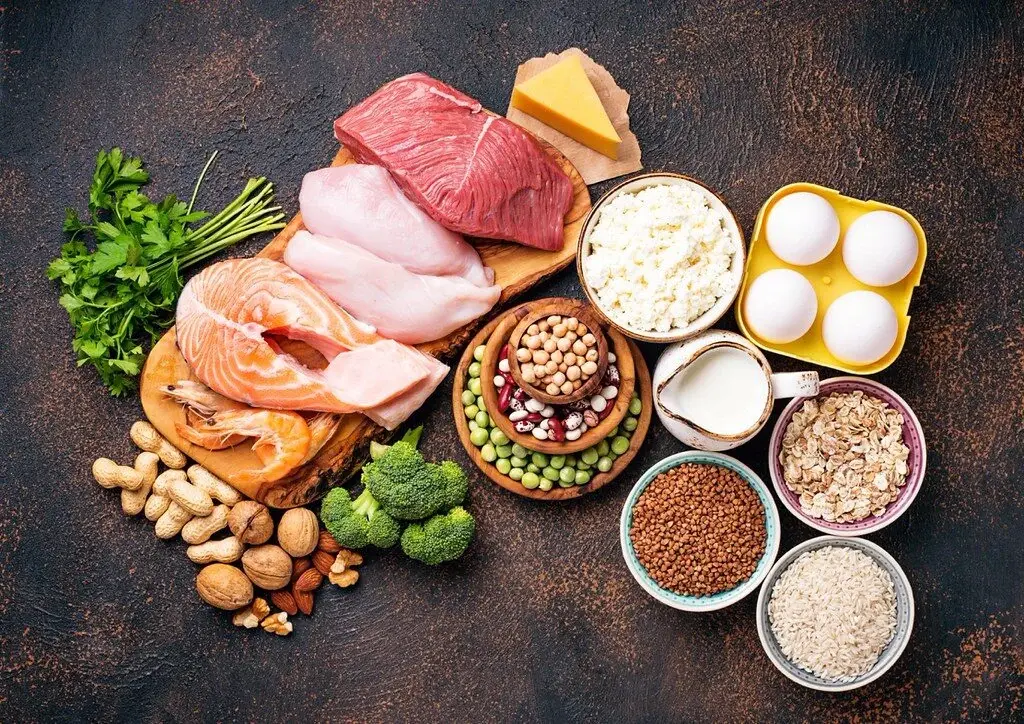 Samantha King, co-author of the book Protein: The Making of a Nutritional Superstar, says protein has been given disproportionate importance. “It feels like there’s no limit to the problems people blame on protein — weight loss, weight gain, dull skin, aging, energy, satiety, recovery, cognition, and so on,” she says, speaking with her co-author Gavin Vidon.
Protein used to be primarily linked to growth and muscle repair; now it’s being pitched as a cure-all for nearly every modern ailment. King and Vidon see this less as a real nutritional need and more as a “solution looking for a problem” — a way to sell extra products where there’s no clear necessity.
Do we really need more protein?
Short answer — no. “It’s not necessary,” says Gavin Vidon. “Protein is present in almost everything we eat, from salads to potatoes. Protein deficiency is extremely rare except in cases of severe starvation or serious illness that causes wasting.” In other words, most typical diets already provide more than enough protein. That doesn’t mean protein isn’t an important part of a balanced diet.
One detail often lost in popular advice: Protein on its own doesn’t build muscle. Growth requires resistance training. “Any extra protein needs to be paired with strength training to actually influence muscle growth and function,” King emphasizes. In short, a post-workout protein shake without the proper training stimulus won’t solve strength or muscle mass problems.

How a byproduct became the wellness industry’s cash cow
The rise of protein as a “miracle” nutrient is largely commercial. King points out that the first “protein boosters” appeared as early as the 19th century — for example, Baron von Liebig, a German biochemist who not only developed early protein supplements but also founded one of the first global food companies.
Whey protein has its own particular history and now dominates the supplement market. After World War II, mass milk and cheese production in the U.S. created an excess of whey that, without proper treatment, was highly toxic — about 175 times more toxic than untreated human sewage. Rather than cut production, the industry turned that waste into a shelf-stable dry product and marketed it as a health supplement. One insider summarized the shift as “from gutter to gold.”
That transformation underpins today’s booming market: estimates put protein supplement sales at roughly $24.8 billion in 2025, with projections rising to $45.7 billion by 2035. In that sense, protein has become more than a food component — it’s a way to add commercial value. “We can’t eat endless volumes, so it’s a way to increase value without increasing bulk,” King notes.

The illusion of control
Protein’s popularity also has psychological roots. The pandemic, supply-chain uncertainty, and political and economic instability all fueled talk about macronutrients, counting grams, and picking “high-protein” products as small, measurable actions people could take in an unpredictable world.
But that sense of control can be misleading. Rather than representing real choice, it often reflects a cultural shift that puts the burden on individuals to optimize their own health. That approach, called “nutritionism,” reduces food to a set of nutrients and pushes people to think about diets as macro counts instead of focusing on the pleasure and meaning of meals.
At the same time, protein sits at the center of debates about the future of food: traditional meat and dairy producers defend their industries as symbols of self-sufficiency, while proponents of lab-grown alternatives frame those products as responses to the environmental crisis. Neither side has abandoned the idea that protein is both the material and symbolic core of their projects.
So what should we eat?
Protein remains essential for health, and for some people — elite athletes or patients with certain medical needs — tracking intake closely makes sense. But for most people, an ongoing focus on extra protein is unnecessary.
“Really, only people with specific medical conditions or those aiming for high athletic performance should concentrate on protein quantity,” King says.
Protein matters, but for most of us it’s already present in adequate amounts and shouldn’t be the center of every dietary decision.
Based on material from The Independent
Photo: Unsplash
