
 Gaby
GabyPolar bears are “fatter” than previously thought, a team led by Trinity College Dublin found. Researchers from the UK, Norway, and Denmark say the secret to the species’ survival in brutal Arctic conditions is a greasy layer on their fur. The fat on polar bears’ fur — a form of subcutaneous fat — contains cholesterol, fatty acids, and compounds that stop ice from sticking. “Subcutaneous fat is a key component that provides this anti-icing effect,” noted Julian Carolan, a PhD candidate and co-author of the study. “Unwashed, greasy fur significantly complicates ice adhesion. Conversely, when a polar bear’s fur is washed and much of the fat is removed, it behaves just like human hair, to which ice easily sticks,” the researcher explained.
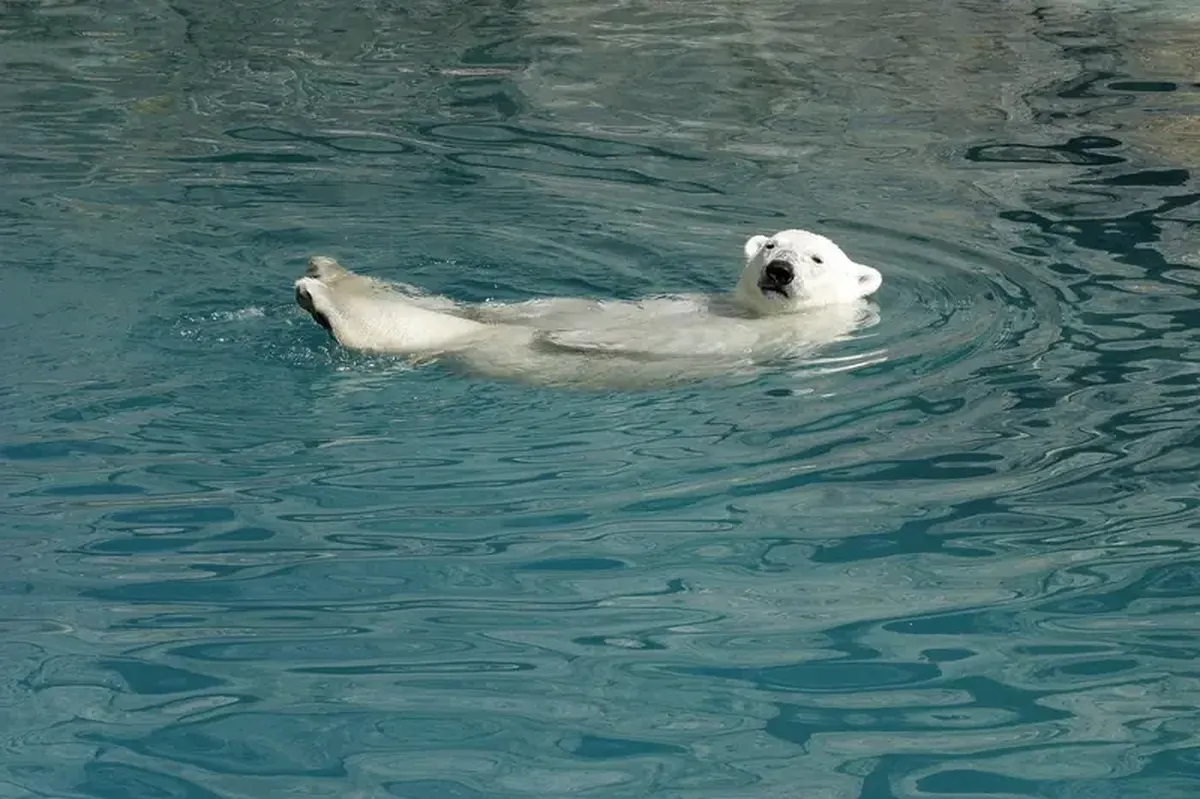 How did the scientists come to this conclusion? The team chemically analyzed the fat on the fur of six wild polar bears. They also measured how strongly ice adheres to bear fur, tested factors that affect that interaction, and compared bear fur to human hair. To their surprise, the team found no ingredients in polar bear subcutaneous fat that match the compounds found in the fur of other aquatic mammals (like sea otters) or in human hair.
The researchers say this may explain why polar bear fur doesn’t stick to ice. The study was the first to examine the composition of subcutaneous fat in polar bear fur and to link that composition to resistance to ice adhesion, said Dr. Richard Hobbs, the senior author of the paper. He says polar bear subcutaneous fat could one day inspire anti-icing materials for people and might replace toxic “forever chemicals” — perfluoroalkyl and polyfluoroalkyl substances (PFAS). The results appear in the journal Science Advances.
