
 Gaby
Gaby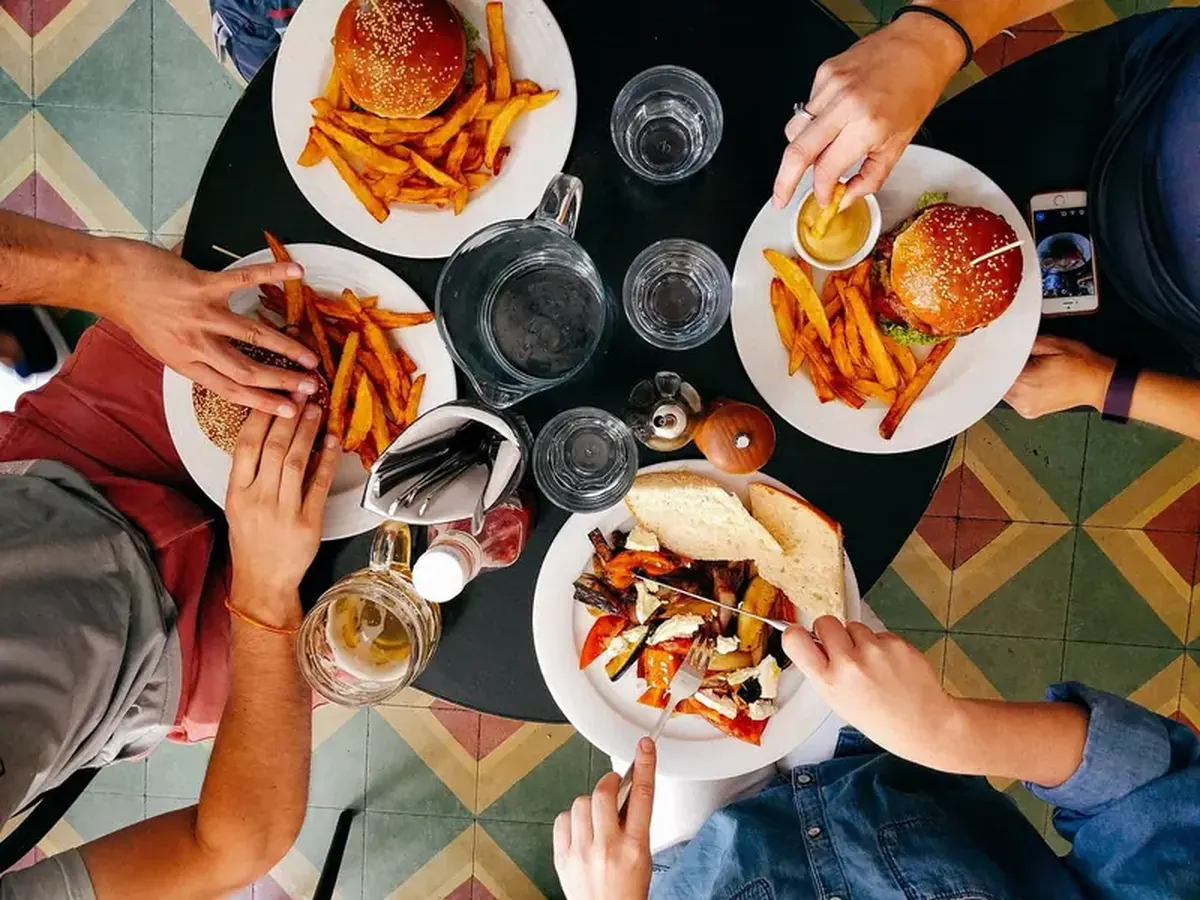
Feeling a little peckish between breakfast and lunch or between lunch and dinner is normal. But if your stomach is constantly growling between meals, it’s worth a closer look. So why are some of us perpetually hungry?
Rob Hobson, a leading London dietitian, says factors like poor sleep, chronic stress, and a soft spot for chips, pastries, and sweets can all play a role. Let’s walk through these and other common causes of persistent hunger.
Dietary Changes
This sensation can get worse after switching to a new diet. For example, people who go vegan and cut out meat, dairy, and eggs may notice their stomachs growl more often.
Even if someone is eating more, the food may be less energy-dense, Hobson explained.
Vegetables, grains, nuts, and fruits are healthy, but a vegan diet can reduce intake of familiar nutrients and animal proteins. Animal proteins tend to digest more slowly and keep you feeling full for longer.
Lack of Sleep
Quality sleep is crucial for balancing the hormones that control appetite, Hobson notes. Lack of sleep can raise levels of ghrelin, a hormone produced in the stomach that signals the brain to eat. At the same time, poor sleep can lower leptin levels, the hormone that tells you you’re full.
Stress triggers the fight-or-flight response, causing the adrenal glands to release adrenaline, which temporarily suppresses hunger.
If stress continues, the adrenal glands release cortisol. This hormone is known to stimulate appetite, as reported by the Daily Mail.
Medications
Some medications boost serotonin levels in the brain. Taken long term, the number of serotonin receptors on cell surfaces can fall. Studies have shown that blocking those receptors can intensify cravings for carbohydrate-rich foods like bread, pasta, and pastries. Eating more of those foods can lead to weight gain.
Unhealthy Eating
Foods such as pizza, hamburgers, fries, and ice cream are often low in fiber and high in simple carbohydrates. Hobson says that combo can trigger a rapid drop in blood sugar, which signals your body to seek more fuel.
By contrast, meals higher in protein and healthy fats slow the release of sugar into the bloodstream and help you feel full longer.
Snacking Out of Boredom
Hobson warns that snacking out of boredom can keep hunger signals active.
When people look for snacks, they often reach for items low in fiber and high in sugar, such as cakes and sweets. “These foods add extra energy to the diet when it’s not needed, meaning when a person isn’t actually hungry,” the dietitian said.
He explained that quickly digestible carbohydrates can cause blood sugar to spike and then crash. That crash can produce stronger feelings of hunger and mood swings, which drives people to eat more of the same foods and creates a “vicious cycle of eating.”
As a result, frequent snacking can dull your ability to recognize true hunger, because you’re constantly eating.
