
 Gaby
Gaby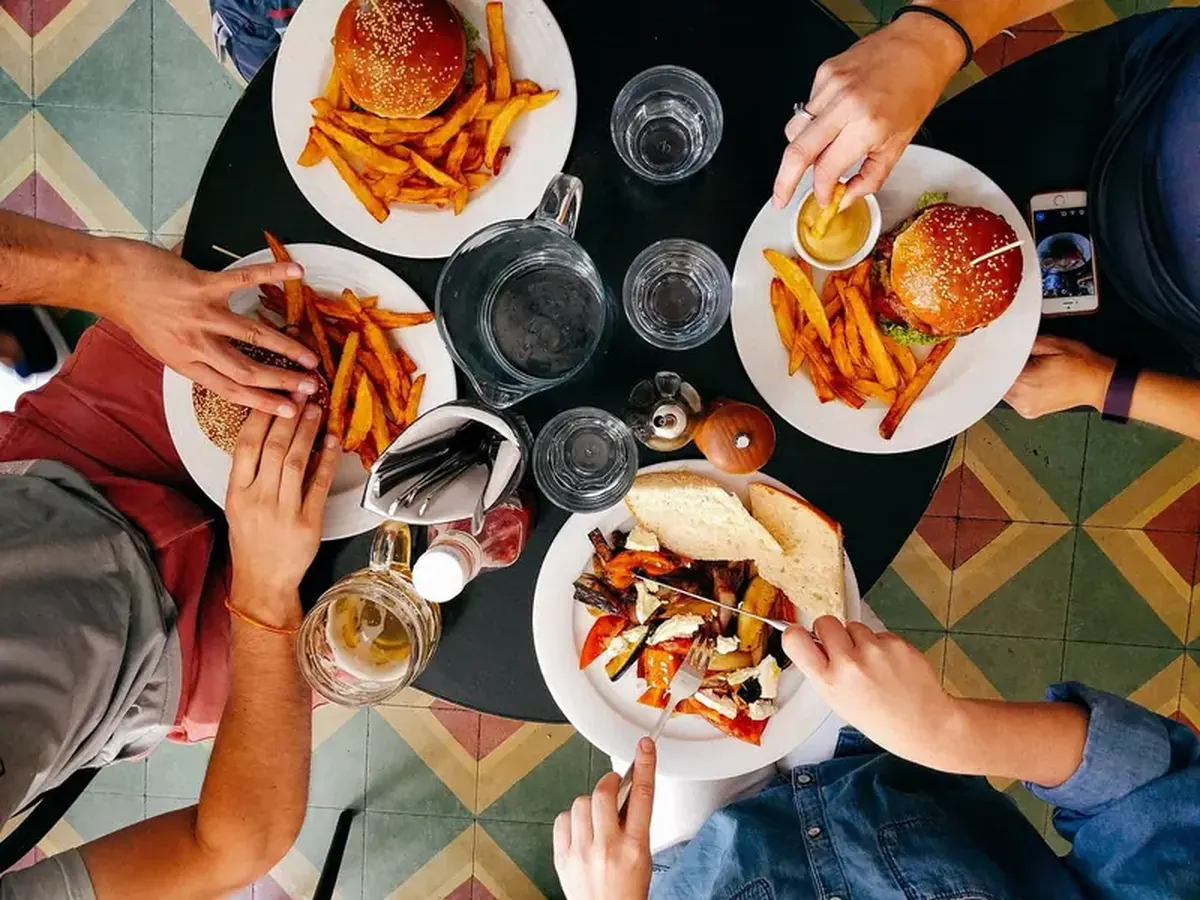
If you occasionally feel hungry between breakfast and lunch, or lunch and dinner, that’s perfectly normal. But if your stomach is constantly growling with hunger throughout the day, it’s time to take a closer look. So, why are some of us perpetually hungry?
London dietitian Rob Hobson says factors such as lack of sleep, stress, and overindulging in chips, pastries, and sweets could be to blame. Let’s explore these and other reasons behind the persistent feeling of hunger.
Dietary Changes
Switching to a new diet can make the sensation worse. For instance, people who switch to a vegan diet and eliminate meat, dairy, and eggs may find their stomachs rumbling more often.

Even if someone is eating more food, those foods can be lower in calories, Hobson explained. Vegetables, grains, nuts, and fruits—staples of a vegan diet—are healthy, but the change can leave the body short on familiar nutrients and animal proteins. Animal proteins take longer to digest, so they tend to keep you feeling full longer.
Lack of Sleep
Quality nighttime rest is crucial for maintaining the hormonal balance that regulates appetite, Hobson says. A lack of sleep can increase levels of ghrelin, a hormone produced in the stomach that signals the brain to eat. Insufficient sleep can also lower levels of leptin, the hormone responsible for the feeling of fullness.
Chronic Stress
Stressful situations trigger a “fight or flight” response, signaling the adrenal glands to release adrenaline. This temporarily suppresses hunger.
However, if stress persists, the adrenal glands release cortisol, a hormone that stimulates appetite.
Medications
Some medications can increase serotonin levels in the brain. If taken for an extended period, the number of serotonin receptors on cell surfaces may decrease. Research has shown that blocking these receptors can intensify cravings for carbohydrate-rich foods, such as bread, pasta, and pastries. Eating those foods frequently can lead to weight gain.
Unhealthy Eating
Unhealthy foods like pizza, hamburgers, fries, or ice cream are low in fiber and high in carbohydrates. Hobson says this combination can lead to a sudden drop in blood sugar, signaling the body to seek more food.

Conversely, foods high in protein and healthy fats slow the release of sugar into the bloodstream, helping you feel full for longer.
Snacking Out of Boredom
Hobson says snacking out of boredom can keep hunger signals active.
In search of snacks, people often reach for items that are low in fiber and high in sugar, like cakes and sweets. “These foods add extra energy to the diet when it’s not needed, meaning when a person isn’t actually hungry,” the dietitian said.

He explains that fast-digesting carbohydrates can cause blood sugar to drop. This can lead to stronger feelings of hunger and mood swings. In such cases, people are drawn to eat more of these foods, creating a “vicious cycle of eating.”
Thus, those who snack frequently may lose the ability to recognize when they are truly hungry, because they are constantly eating.
