
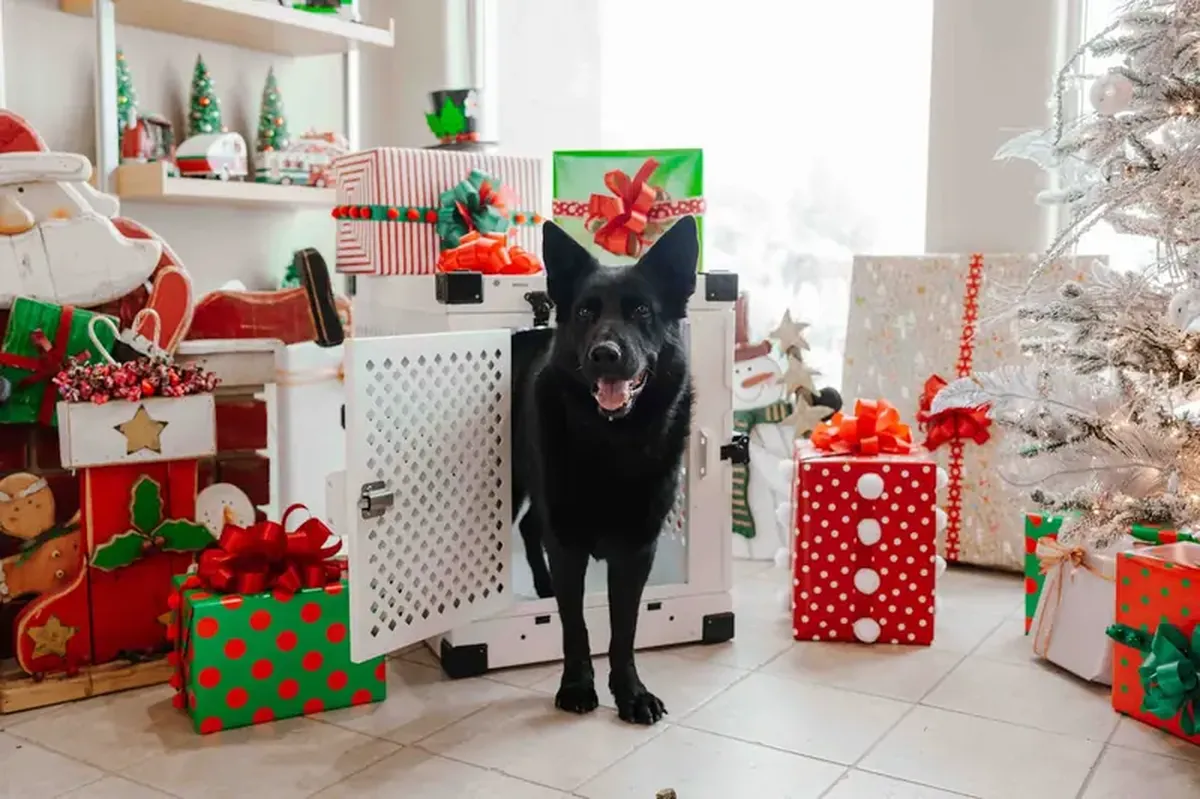
Researchers warn that holiday treats aren’t suitable for our furry companions because they pack huge numbers of calories.
Nearly everyone who has a pet feels compelled to share something from the festive table. That happens despite yearly warnings from veterinarians before the holidays: don’t feed — or overfeed — your pets with human food. Doing so can seriously harm their health and even threaten their lives.
Why Are Veterinarians So Strict?
Veterinarians dread the winter holidays—not just because pets raid the Christmas tree, but because of the holiday food people give their animals.
The British veterinary charity PDSA has said that feeding pets human food often leads to significant weight gain.
“Showing love to your pets doesn’t necessarily mean you should share your plate with them,” said PDSA veterinary expert Gemma Renwick.
She added that many popular holiday treats are shockingly high in calories. Those foods can seriously damage the health of our furry family members and cause rapid weight gain. So it’s best to stick to their regular diet and feeding schedule as much as possible.
PDSA explained that for a medium-sized dog, like a Beagle, eating turkey for dinner is the calorie equivalent of a human eating four full meals.
Experts also calculated that for such a dog, just four pigs in blankets equal the calories of a complete Christmas dinner. (Pigs in blankets are small sausages wrapped in pastry, a traditional part of the British Christmas feast.)
For a cat, a single Yorkshire pudding is like a human eating one and a half Margherita pizzas.
Even small amounts of some foods are calorie-dense for pets. For example, a serving of ham for a dog is equivalent to about 10 chicken skewers a person might eat.
Representatives of the charity say obesity from holiday treats is a common problem among pets. That condition raises the risk of diabetes, arthritis, heart disease, and breathing problems, according to the Daily Mail.

It’s Not Just Extra Calories That Are a Problem
PDSA also warned that it’s not only the extra calories that are dangerous. Many human foods can harm pets for other reasons, too.
Stuffings and sauces often include onions and garlic, while pies and Christmas cakes can contain raisins and currants. Those ingredients can be deadly for both dogs and cats.
“If you’re really eager to share holiday food with your furry friend, remember that even the smallest piece will be a huge treat for them,” Ms. Renwick said.
Reduce the amount of regular food your pet gets on the holiday to prevent excess calorie intake. Safe options include plain, unglazed, or ungreased foods that won’t upset their stomachs.
“Boneless white turkey meat, mashed carrots and swede (rutabaga), and simple vegetables are all good choices,” the expert advised.
Don’t share too many holiday foods with your four-legged companion in the days before and during Christmas; otherwise they may start to expect a tasty handout every time you sit down to eat, and that habit isn’t healthy.
