
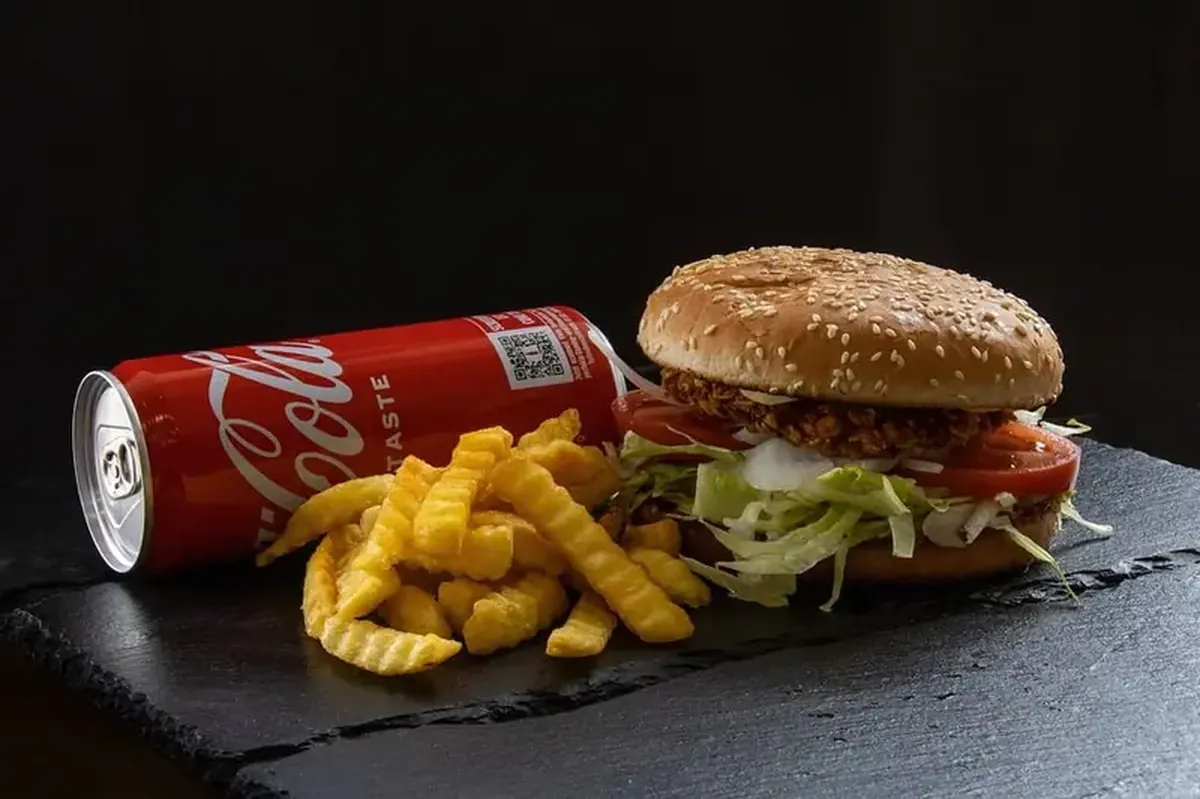
Research suggests artificial sweeteners and ultra-processed foods may increase the risk of depression. Scientists at Harvard University and a Massachusetts hospital evaluated the diets of more than 30,000 middle-aged women; about 7,000 of them had clinical diagnoses of depression.
Ultra-Processed Foods May Contribute to Depression
The team suggested that eating ultra-processed foods—snacks, sauces, and ready-to-eat meals—could be a factor in depression. They also found an association between artificial sweeteners like aspartame, which the WHO classifies as a possible carcinogen, and higher rates of depression.
However, experts caution there isn’t enough evidence to prove a direct cause-and-effect link between diet and depression. The study followed more than 31,000 women aged 42 to 62, with participants completing questionnaires about their eating habits every four years, although it’s unclear exactly how long each person was followed.
 The researchers used two definitions of depression: strict and broad. Strict depression meant participants reported a doctor’s diagnosis and were regularly taking antidepressants. Broad depression meant participants had a clinical diagnosis and/or were taking antidepressants. Of 31,712 participants, 2,122 met the strict definition and 4,820 met the broad definition.
Possible Link Between Ultra-Processed Food and Depression
The authors hypothesized that ultra-processed food might raise the likelihood of depression, though they aren’t sure why. They reported a direct association between artificial sweeteners and artificially sweetened beverages and increased depression risk, suggesting these products may activate certain compounds in the brain, but the study did not detail those mechanisms.
Dr. Dwayne Mellor, a dietitian at Aston University in the U.K., told the Daily Mail that his team speculates this could relate to how those compounds reach the brain. The current study does not provide evidence to confirm that explanation, and it’s also possible that people with depression simply prefer sweeter drinks, rather than the drinks causing the depression.
Other researchers say the results are suggestive but need confirmation. Neurologist Dr. Sharmali Edwin Tanaraja, based in Germany, described the work as offering clues about a possible role for artificial sweeteners in mental and physical health, while stressing that observational data alone cannot prove causation.
Ultra-Processed Food Harms Health
These preliminary findings add to a growing body of research linking processed foods to negative health outcomes. For example, a 2022 study found that a 10% increase in ultra-processed food consumption could raise the risk of dementia.
 Additionally, a large cohort study in France found that the same increase in ultra-processed food intake was associated with a higher risk of breast cancer. A global comparative study linked rising per-capita sales of ultra-processed foods and beverages with higher average body mass index (BMI). Two studies from Spain and France connected greater ultra-processed food consumption with a higher risk of premature death.
A primary limitation of the study is that it included only women, most of whom were European, so the sample is limited in scope. Participants who ate more ultra-processed food also had higher BMIs, were more likely to smoke, and had higher rates of diabetes and hypertension.
Those participants were also less likely to get regular physical activity. That pattern suggests depression among these survey participants could have arisen from many other factors beyond diet.
