
 Gaby
Gaby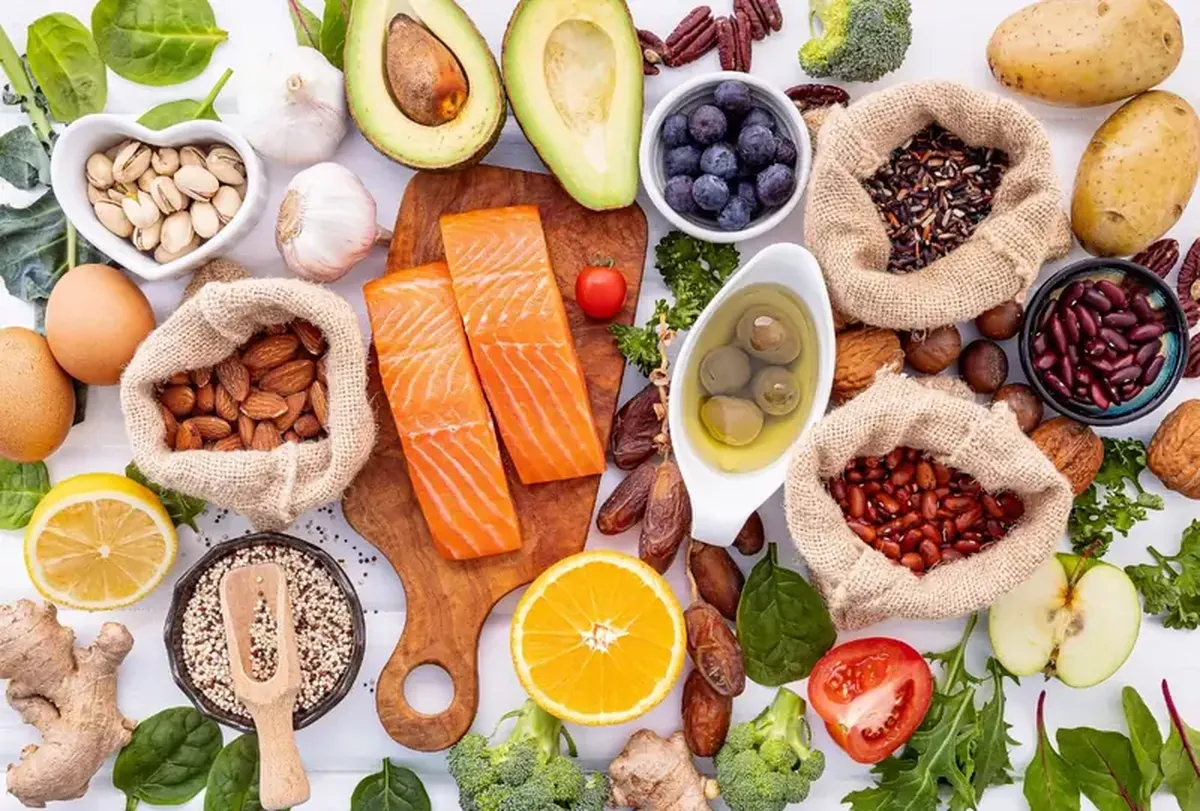
What drives the keto diet, what are its side effects, and what does a sample weekly menu look like to support health?
How It Works
Nutrition affects our energy and sense of well-being, and different approaches to macronutrient balance influence weight and thinking. The low-carbohydrate, high-fat ketogenic diet shifts the body into ketosis, a state where fat becomes the primary fuel instead of carbohydrates. That metabolic shift can promote weight loss and help manage some medical conditions.
The ketogenic, or keto, diet drastically reduces carbohydrate intake. Carbohydrates are broken down by digestive enzymes into glucose, which fuels the body. Keto typically limits carbs to about 20–50 grams per day.
Cutting carbs sharply while increasing dietary fat prompts the liver to produce ketone bodies from fatty acids. The goal is to move the body into ketosis, where ketones serve as the main fuel for the body and brain. That switch often reduces appetite and stabilizes energy levels through the day.

The Mechanism in Detail
Ketosis is an alternative metabolic process that kicks in when the body lacks carbohydrates and must draw fuel from fats, proteins, and glycogen. In the liver, fatty acids convert into ketone bodies—beta-hydroxybutyrate, acetoacetate, and acetone—which become an alternative energy source for tissues.
To maintain the glucose some organs need, the body increases fat burning, especially from stored fat. Within a few days, fat stores and glycogen reserves in the liver and muscles are depleted. When cells run on ketones for energy, weight loss can follow and blood sugar often becomes more stable.
Think of ketones like a high-quality fuel for the body. Ketosis is a normal adaptive response to low carbohydrate intake and differs from ketoacidosis—a life-threatening condition—in that ketosis does not produce excessive ketones; the body breaks them down and keeps acid-base balance stable.
Types of Ketogenic Diets
When carbs are scarce, ketosis allows the body to rely more on fats, often supplied by animal- and plant-based foods. In some strict classic ketogenic diets, fats can make up more than 90% of daily calories. The standard ketogenic diet is commonly designed with roughly 75% fat, 20% protein, and 5% carbohydrates.
The high-protein ketogenic diet keeps carbohydrates at about 5% but increases protein to around 35% while reducing fat to roughly 60%. The cyclical ketogenic diet alternates periods of carb restriction with short carbohydrate-loading days (for example, 5 days low-carb followed by 2 higher-carb days). The targeted ketogenic diet allows extra carbs around periods of intense physical activity and is used by some athletes.
Very low-carb ketogenic diets (VLCKD) typically limit carbs to under 10% of calories, with protein tuned to about 1 g/kg body weight or up to 1.5 g/kg for active people. By contrast, an LCHF (low-carbohydrate, high-fat) plan might include about 45% fat and 30% protein, while a moderate-carbohydrate approach permits roughly 26–44% of calories from carbs. In classic therapeutic ketogenic diets, fat-to-(protein+carbohydrate) ratios are often expressed as 4:1, 3:1, or 2:1.
What Can You Eat on Keto?
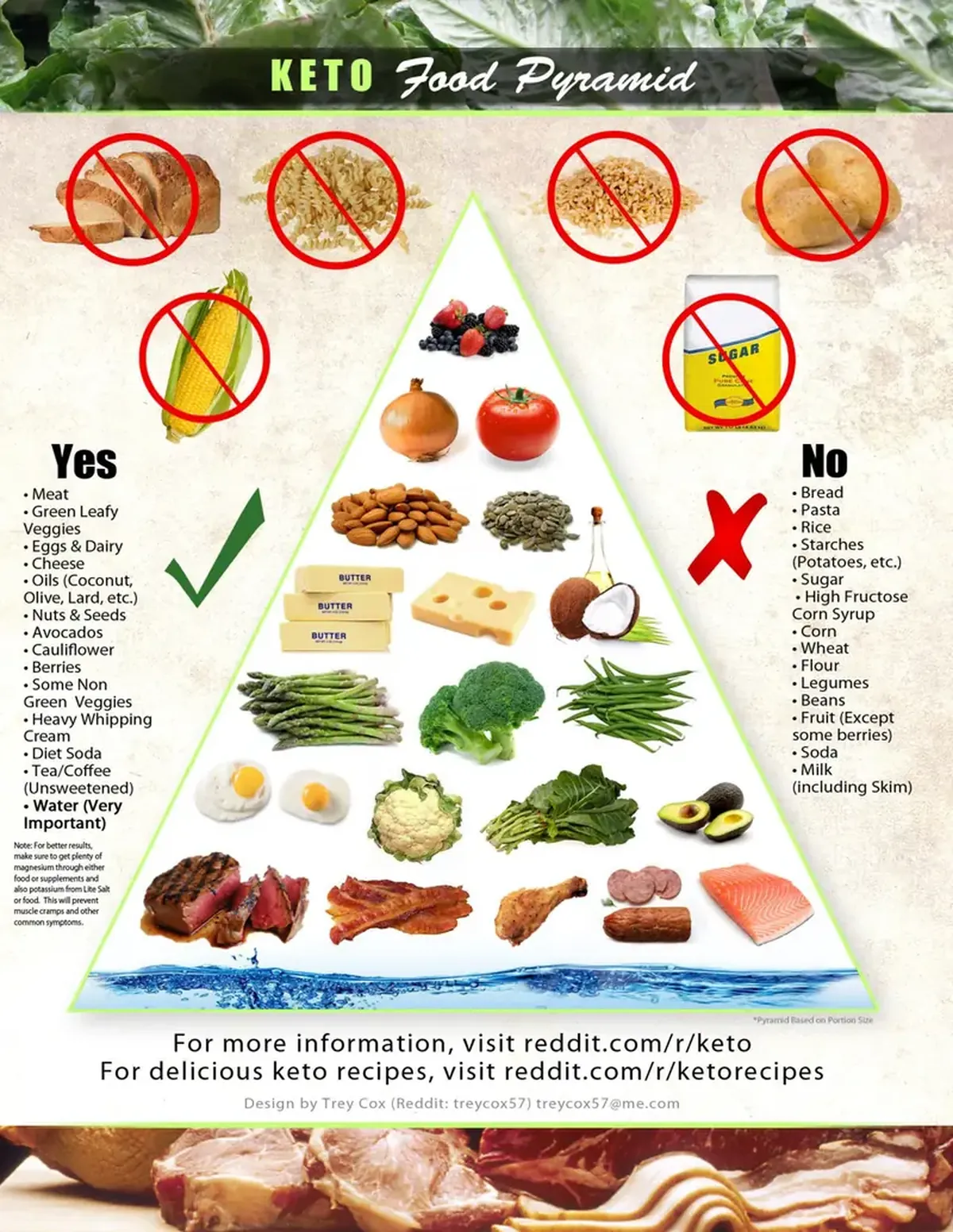
Healthy fat sources include olive oil, coconut oil, peanut oil, and avocado—avocado is a good source of monounsaturated fats and potassium, which helps electrolyte balance. Allowed foods include meat, fish, eggs, nuts, seeds, and nonstarchy vegetables. For protein, choose red meat (beef, pork), poultry (chicken, turkey), and fatty fish (sardines, tuna, salmon) for omega-3s.
Full-fat dairy with low carbs is permitted: natural yogurt, cheese, sour cream, and heavy cream provide calcium. Aim to get most carbs from complex, long-chain carbohydrates—these have a lower glycemic index and promote longer-lasting fullness.
Choose nonstarchy vegetables such as cabbage (both head and leafy), Brussels sprouts, broccoli, zucchini, spinach, lettuce, onions, and fresh herbs for fiber and digestive health. Low-carb berries like blueberries, raspberries, and strawberries can be eaten in limited amounts. Some nutritionists recommend supplementing with protein powders (soy, pea, or whey) and with minerals such as magnesium and calcium when needed.
What Not to Eat on a Keto Diet?
To enter ketosis, eliminate simple carbohydrates—short-chain sugars that are quickly absorbed by the intestines, spike blood sugar, increase insulin production, and can encourage weight gain. Simple carbs also tend to only temporarily curb hunger, which can lead to overeating. Foods to avoid include starchy vegetables and high-sugar fruits, cakes and other pastries, bread, and baked goods.
Avoid grapes, bananas, potatoes, beets, carrots, pasta, rice, and processed snacks. Exclude sauces, sugary drinks, energy drinks, and alcohol. Even some legumes—lentils, peas, and beans—are generally not used on strict ketogenic diets. Also avoid low-fat packaged products, because many have added carbohydrates or sugar to improve taste. These items can disrupt ketosis and should be removed from the diet.

How Long Can You Stay on Keto?
Reaching ketosis while following the diet strictly can take at least 5–7 days. During that time blood glucose levels drop and the body gradually shifts into full ketosis. Don’t rush the metabolic change; allow the body to adapt. Different approaches recommend following the ketogenic diet for at least 2–3 weeks or typically for 4–8 weeks.
That said, the ketogenic diet is generally not meant to be permanent, because it can lack dietary balance and may not provide everything the body needs long term. Many practitioners consider a reasonable maximum duration to be about 6–12 months.
Why the Keto Diet Can Be Harmful?
The body’s initial reaction to reduced glucose can include malaise, dizziness, and general weakness. Feeling unwell is common during the first week of adjustment, and full adaptation may take up to three weeks. But a diet high in fats and proteins can also cause longer-term effects over months.
Short-term issues include constipation, stomach heaviness, and bloating. More serious consequences may include weakened bone health—especially risky for older adults and women—and muscle loss, which is undesirable for strength athletes. One of the greatest concerns is a possible rise in blood homocysteine levels, which is linked to atherosclerosis, as well as an increased risk of kidney disease and kidney stones.
Contraindications include metabolic disorders and problems with fat metabolism, carnitine deficiency, gastrointestinal diseases, diabetes, liver or kidney failure, pregnancy, and breastfeeding. Possible side effects in children include impaired growth and development. Other potential effects are increased cholesterol, constipation, nausea, and vomiting. Because ketosis changes homeostasis, regular monitoring of blood work and organ function is important. The ketogenic diet should be prescribed and supervised by a doctor after weighing risks and benefits.

Benefits of the Ketogenic Diet
Advocates argue that the body’s hormonal response to calories matters more than calorie count alone. Low carbohydrate intake and reduced snacking can normalize insulin levels and trigger lipolysis. Beta-hydroxybutyrate, a primary ketone body, affects hunger hormones and neurotransmitters that signal satiety. With longer-lasting fullness after smaller meals, ketosis can promote weight loss in people with obesity.
Some experts say the keto approach can be more effective for weight loss than a low-fat diet. Studies suggest that ketogenic diets can improve gut microbiota composition. Counting calories is also often unnecessary on keto. Some research shows the ketogenic diet can help reverse type 2 diabetes. Experts also highlight neuroprotective properties of the diet and its potential to slow aspects of brain aging and aid certain neurodegenerative conditions.
Researchers are also investigating keto’s role in sports nutrition. Evidence indicates the diet can be beneficial in endurance sports like marathons, cycling, and triathlons by helping the body burn fat and spare glycogen during long efforts. The ketogenic diet was originally developed to treat epilepsy, and studies continue to support its use: about half of patients on therapeutic ketogenic regimens see a reduction in seizure frequency of more than 50%.
A Concept from the Past
The ketogenic diet has roots more than a century old. In 1921, Mayo Clinic physician Russell Morse Wilder developed it as a treatment for epilepsy in children. Interest waned after the anticonvulsant phenytoin was introduced in 1938, but the diet persisted as a therapeutic option.
In the 1970s, cardiologist Robert Atkins popularized a low-carbohydrate approach aimed at weight loss; over time that style was also revisited for epilepsy and for managing type 2 diabetes. Renewed interest in ketogenic therapies grew in the 1990s as nutrition-based alternatives were reconsidered for drug-resistant epilepsy in children.

In 1994, Hollywood producer Jim Abrahams founded the Charlie Foundation after his son was diagnosed with epilepsy, helping to fund research into the diet. That work showed that in about half of drug-resistant pediatric epilepsy cases, the ketogenic diet could nearly eliminate seizures over extended periods. After six months on the diet, roughly one-third of patients experienced a 90% reduction in seizure frequency. These results underscore how ketone bodies can stabilize neuronal activity.
Example of a Weekly Keto Diet Plan
Consult a doctor before starting a new diet.

Monday
Breakfast: avocado, scrambled eggs, tea or coffee.
Lunch: fish with a vegetable side and tea.
Dinner: vegetable salad and chicken.
Tuesday
- Breakfast: scrambled eggs with bacon.
- Lunch: green salad and mushrooms in sour cream.
- Dinner: cheese pancakes with sour cream or natural yogurt.

Wednesday
- Breakfast: milkshake with strawberries and peanut butter.
- Lunch: salad with tuna, cabbage, and soy sauce.
- Dinner: pork ribs with cheese and vegetables.
Thursday
- Breakfast: boiled eggs and cheese.
- Lunch: vegetable salad and cream soup.
- Dinner: chicken with cream cheese and fresh vegetables.

Friday
- Breakfast: unsweetened cocoa or natural yogurt.
- Lunch: beef with mushrooms and herbs.
- Dinner: salad with tuna, tomatoes, cucumbers, and spinach.
Saturday
- Breakfast: omelet with mushrooms and ham.
- Lunch: boiled chicken with a leafy salad.
- Dinner: white fish with spinach and coconut oil.
Sunday
- Breakfast: scrambled eggs with ham.
- Lunch: stewed chicken with cabbage and mushrooms.
- Dinner: baked pumpkin.
This is a budget-friendly keto menu with simple dishes designed to provide a broad range of nutrients.
