
 Gaby
Gaby
Olives are a treasure trove of nutrients. Olive oil, a key component of the Mediterranean diet, reduces the likelihood of heart disease, cancer, diabetes, and premature death.
Recently, scientists have gathered growing evidence about the health benefits of olive leaves. What valuable properties do these leaves contain, and who might benefit from adding them to their diet? Evangeline Manciouris, director of the Nutrition and Food Sciences program and a dietetics researcher at the University of South Australia, discussed the findings.
For some countries, the benefits of olive leaves are not new
In the Mediterranean, people have traditionally brewed olive leaves into tea and used that infusion to treat fevers and malaria.
These leaves are rich in the antioxidant oleuropein. While oleuropein is also present in olives and olive oil, it appears in larger amounts in the leaves. The greener the leaf, the more oleuropein it contains. Leaves harvested in spring contain higher levels of this antioxidant than leaves collected in autumn.
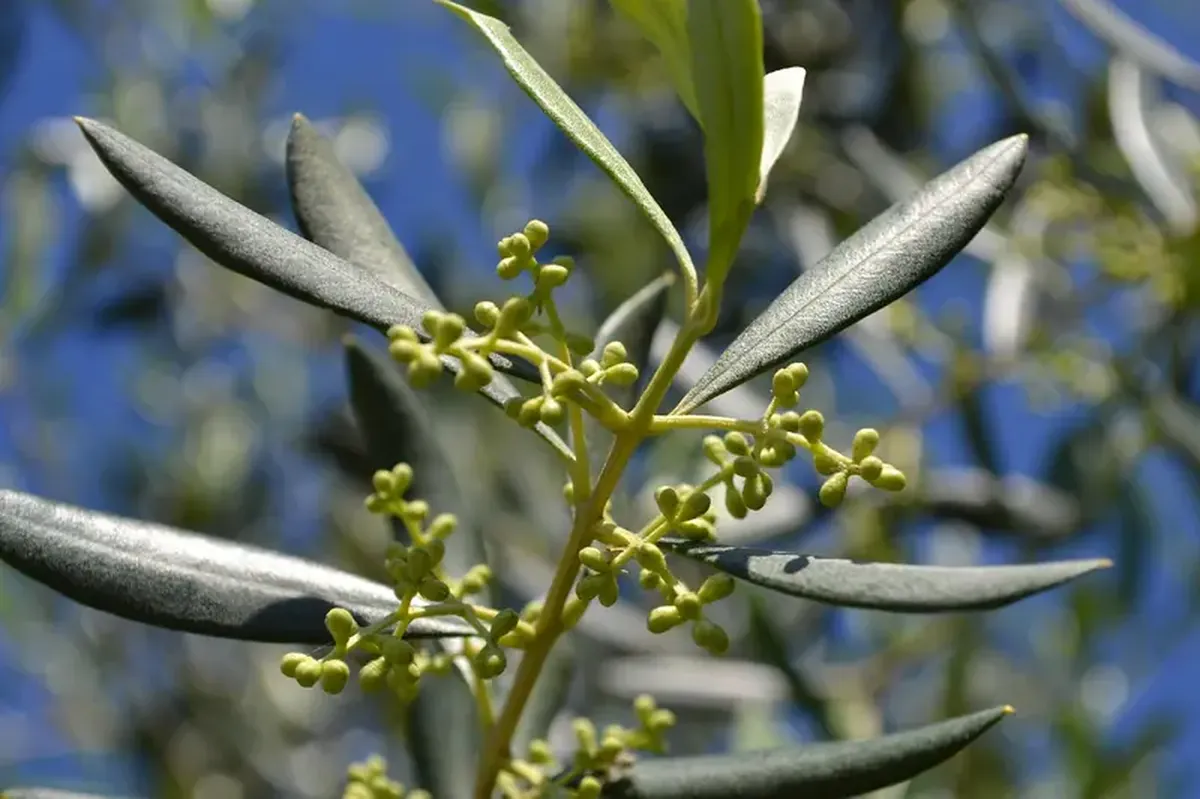
Olive leaves are also high in other antioxidants, including hydroxytyrosol, luteolin, apigenin, and verbascoside. These compounds help reduce oxidative stress in the body, which can lower the risk of cancer and heart disease.
Olive leaves are used in traditional medicine in Spain, Greece, Turkey, and other countries.
What have scientists discovered?
In recent years, international research teams have added evidence of the benefits of olive leaves through large-scale studies and reviews of previous work.
One review pooled data from 12 experimental studies involving a total of 819 volunteers. In those studies, participants took olive leaf extract in capsule form for 6 to 48 weeks, with daily doses ranging from 500 mg to 5 g. The results showed that taking the extract helped participants lower their blood pressure and reduced their risk of heart disease. The effect was strongest in people with hypertension.
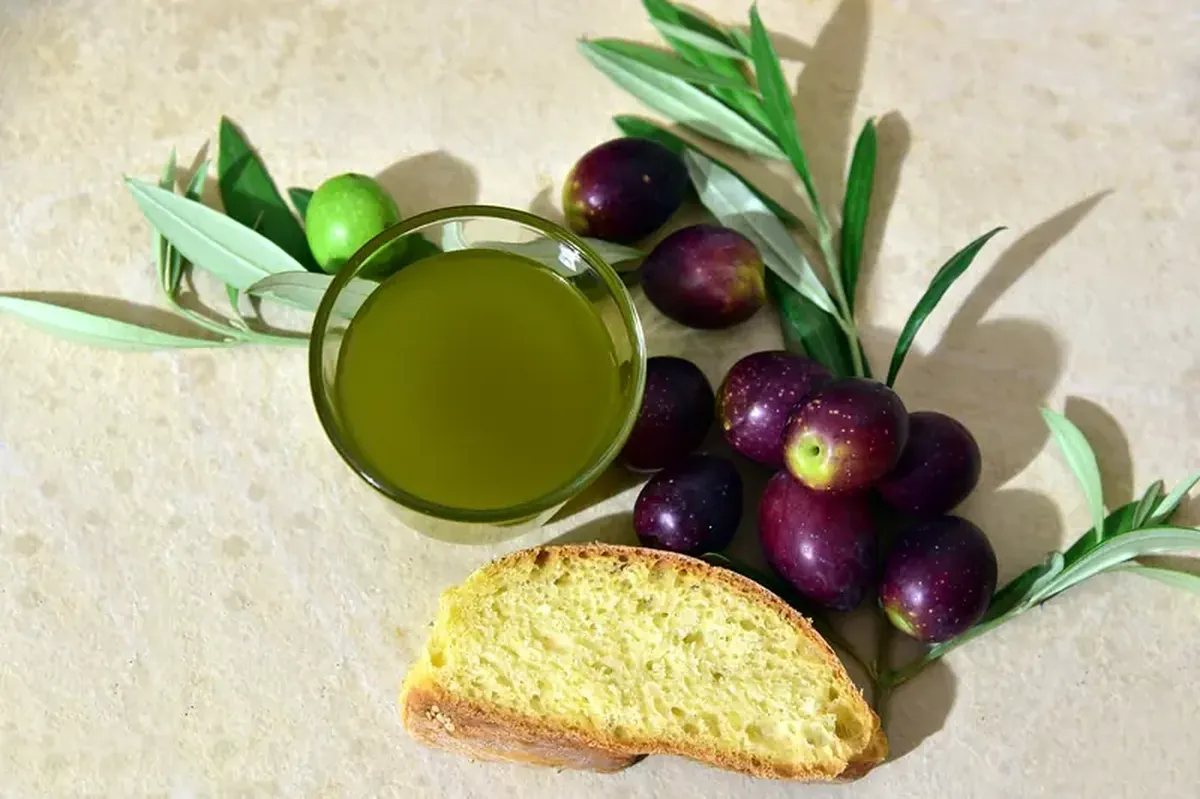
Another review analyzed data from 12 experiments that included 703 people. Some studies enrolled participants with high blood lipids, hypertension, or obesity. Daily doses of olive leaf in those trials ranged from 250 to 1,000 mg, taken as tablets or added to bread.
Volunteers in these studies experienced lower blood pressure, as well as reduced blood sugar and cholesterol levels.
A separate review looked specifically at the effects of oleuropein and hydroxytyrosol, compounds found in olive leaves. Researchers reported decreases in blood lipid and glucose levels, normalization of body weight, and improvements in cognitive function, bone health, and joint conditions.
However, scientists say more research is needed to fully understand how olive leaves affect health.
What is the best way to consume olive leaves?
Use the leaves to brew tea or add them to salads. Some people blend the leaves into smoothies, according to Science Alert. Keep in mind that the antioxidants make the leaves bitter, so they may not appeal to everyone.
Dietitians suggest adding olive leaves to bread and other baked goods, saying the ingredient can even enhance flavor.
You can also take olive leaves as an extract. Studies suggest a safe daily dose up to one gram, but there are no formal official recommendations on how much to consume.
Are olive leaves toxic?
No toxic effects have been recorded from consuming olive leaves.
However, pregnant people and breastfeeding people are advised not to eat them, because it is currently unknown whether olive leaves are safe for these groups.
What should you do with this information?
If you have high blood pressure, diabetes, or elevated cholesterol, olive leaves may offer a benefit. Discuss this option with your doctor before trying them.
Also remember that all plant-based foods contain many antioxidants. Aim to eat a diverse array of colorful plant foods to get as many beneficial nutrients as possible, Manciouris recommends.
