
 Gaby
Gaby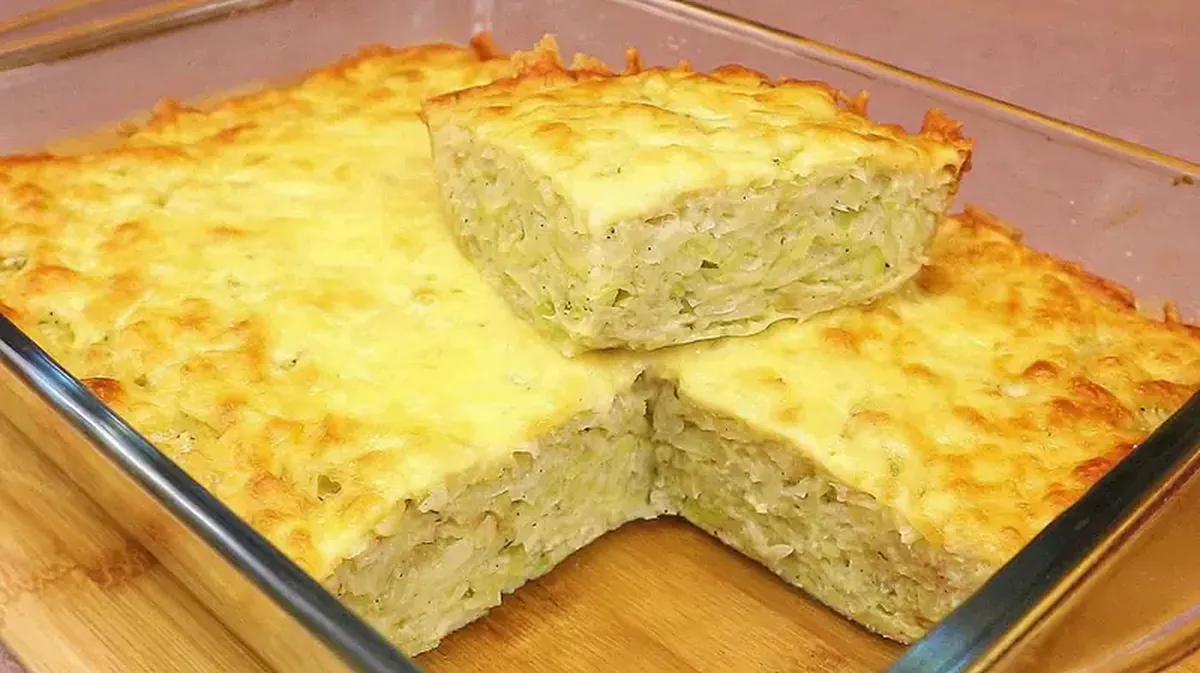
Nutritionists say cooked cabbage contains more antioxidants than raw leaves. Baking, boiling, or sautéing cabbage also helps reduce gas. Young white cabbage is especially good for digestion: its fiber stimulates intestinal activity and helps the body eliminate toxins. It’s rich in vitamins A, C, K, B1, B2, B3 (niacin), and B9 (folic acid), plus potassium, calcium, iron, magnesium, and phosphorus. Young cabbage can boost immunity, ease muscle pain, and improve the condition of skin and hair. However, because young cabbage can stimulate the production of digestive enzymes, avoid it if you have pancreatitis. Don’t exceed a safe amount in your diet: the recommended daily intake for adults is 200–300 grams of cabbage.
Ingredients: young cabbage — 450 g; eggs — 8; cheese — 100 g; sour cream — 100 g; parsley or dill — 40 g; onion — 1; vegetable oil — 3 tbsp.; salt and ground black pepper — to taste.
Hard-boil half the eggs and leave the rest raw. Cool and peel the hard-boiled eggs.
Shred the young cabbage. Grate the cheese on a coarse grater. Chop the onion, fresh herbs, and boiled eggs.
Heat the oil in a skillet and sauté the onion. Add the cabbage to the onion and fry, stirring, for about 10 minutes.
Remove the skillet from the heat and mix its contents with the chopped boiled eggs. Season with salt and pepper, then let it cool.
Combine the remaining raw eggs with sour cream, salt, and pepper. Whisk the mixture with a fork. Pour the egg-and-sour-cream dressing over the cabbage, add the cheese and herbs, and mix well.
Transfer the prepared ingredients to a greased baking dish and place it in a preheated oven at 180°C (350°F) for 40 minutes.
Life Hack
Massage the shredded cabbage with your hands and blanch it in boiling water to reduce gas and prevent bloating, especially when serving it raw to children. Young cabbage also works well in stews, soups, and salads.
