
 Gaby
Gaby
Medical protocols have recognized chicken broth’s preventive role during cold and flu season since 1998. So it’s a mistake to dismiss it as just a placebo for easing discomfort.
Studies have linked eating chicken broth with better function of the nasal cilia—the tiny hairs that act as protective “curtains” in the nose. These guardians block pathogens and tiny particles from entering the respiratory tract.
That warm, slightly fatty, salty liquid can also matter when the body is weak. Broth made from poultry meat and bones provides animal protein, vitamins, and essential minerals.
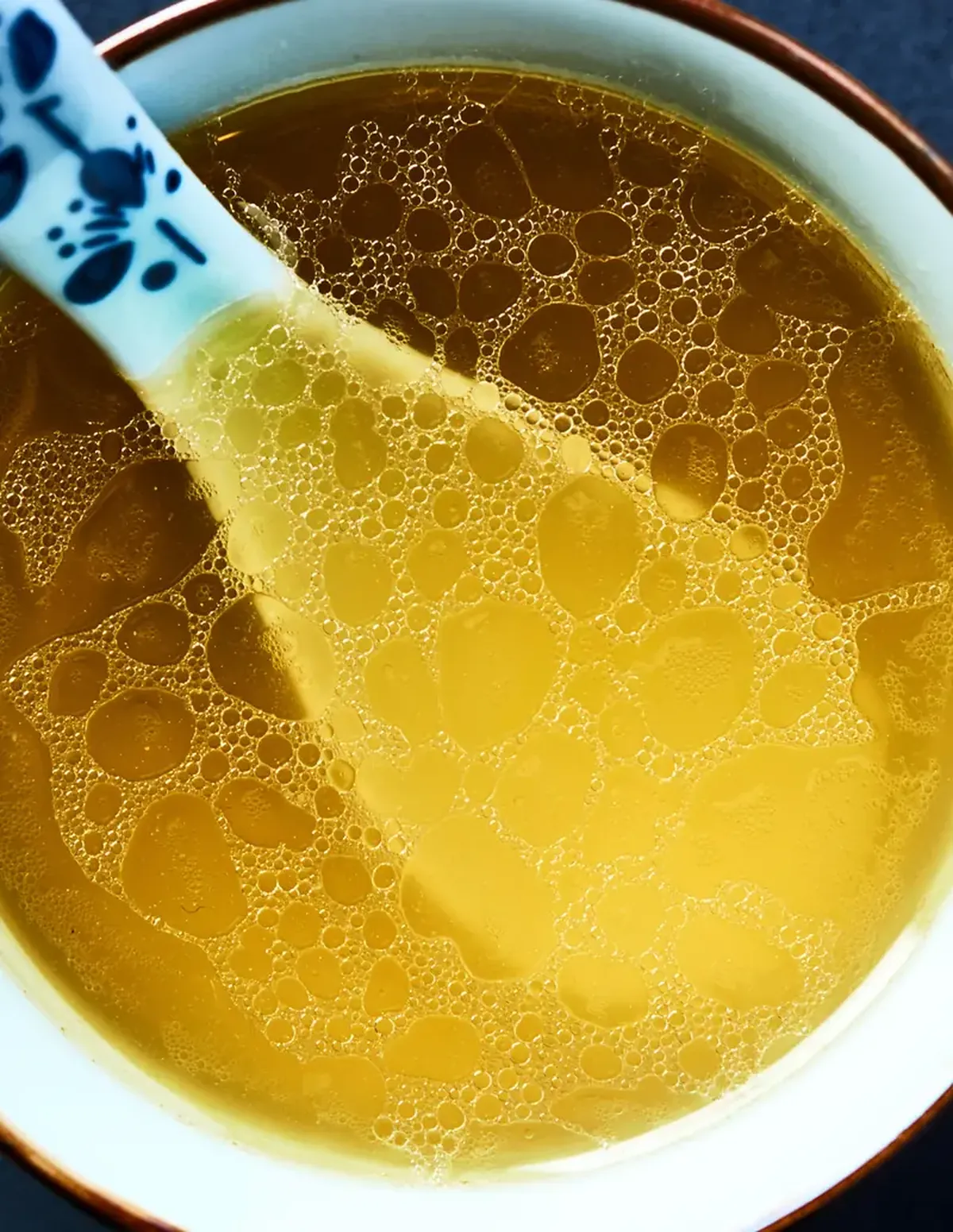
Parsley, dill, onions, garlic, carrots, celery, pepper, salt, potatoes, and eggs add vitamins A, B, C, D, and E, zinc, and other immune-supporting nutrients to the broth. So hot broth does deliver ingredients that can help the body fight viruses.
Extracts from tendons and other connective tissues provide building blocks that support tissue repair and can help restore joint flexibility that may be lost during illness.
Chondroitin and carnosine in the broth may help ease nasal and throat congestion. Regularly drinking broth can help clear the airways.
When solid food isn’t an option, this easily digestible, nutritious liquid provides the calories needed to maintain strength. During cooking, bones release gelatin and glucosamine, which support digestion. A gelatinous film forms on the surface when the broth cools, so even a cold cup can still be restorative.
Ultimately, broth isn’t an antiviral or antibacterial cure for colds, but doctors consider this “elixir of health” an important supportive treatment.
