
Iodine is an element from the periodic table, but it’s also essential for your body to function properly. A lack of iodine can cause an enlarged thyroid gland — a goiter. When thyroid hormones are working well, they support the heart, brain, and metabolism.
Because the body can’t make iodine, you have to get it from food. Too little or too much iodine can both lead to serious health problems.
What Indicates Iodine Problems in the Body?
The main sign of insufficient iodine is an enlarged thyroid, often resulting in a multinodular goiter. If the condition progresses, it can lead to hypothyroidism. Symptoms include:
- muscle weakness;
- fatigue and lethargy;
- dry skin;
- hair loss;
- a constant feeling of cold;
- decreased heart rate;
- swelling in the neck;
- pregnancy complications;
- menstrual cycle irregularities.

Children need iodine especially. Kids who don’t get enough often get sick more, have poor appetites, struggle in school, and tire easily. It’s hard to spot iodine deficiency in children. An enlarged thyroid or a goiter usually means the deficiency has been ongoing.
Iodine is particularly important during pregnancy. A deficiency can have serious consequences, including first-trimester miscarriage, excessive maternal weight gain, developmental delays in the fetus, late-term toxemia, and weak labor activity during childbirth.
A child who lacks iodine in the womb may face problems with brain development, thyroid function, and delayed sexual development. Women who live in iodine-deficient regions should address iodine levels before planning a pregnancy.
How Much Iodine Do You Need Daily?
You can’t reliably diagnose iodine deficiency from symptoms alone. And don’t self-medicate: too much iodine can be as harmful as too little. Get lab tests and medical advice from a healthcare provider.
At home you can try a simple test: apply a thin grid of iodine on the skin with 1 cm spacing. If it fades in less than 6–8 hours, it may indicate iodine deficiency.
In general, specialists recommend the maximum allowable daily doses of iodine by age as follows:
| Age Group | Daily Iodine Requirement (mcg) |
| 1-3 years | 200 |
| 4-6 years | 250 |
| 7-10 years | 300 |
| 11-14 years | 450 |
| 15-17 years | 500 |
| Adults | 600 |
| Pregnant Women | 600 |
If a deficiency is confirmed, doctors usually prescribe iodized tablets. They will also set daily iodine requirements for pregnant women and adults based on each case, and those doses should be followed.
Common supplements include potassium iodide and brand-name options like Iodomarin. These replenish iodine, help prevent disease, and normalize thyroid function—especially important for teens, children, and women during pregnancy and breastfeeding.
What Can Replace Potassium Iodide?
You can also get iodine from food. A few practical points matter: know which foods contain iodine and how much, learn how cooking affects iodine content (some foods lose iodine when heated), and follow guidance on combining iodine with other vitamins to avoid incompatibilities.
Which Foods Are High in Iodine?
Plenty of everyday foods are rich in iodine. Instead of a table, here are some of the top iodine sources:
- Kombu — a brown seaweed used in Japanese cooking. In 100 grams it can contain up to 298.4 mg of iodine, nearly 2,000 times the daily requirement.
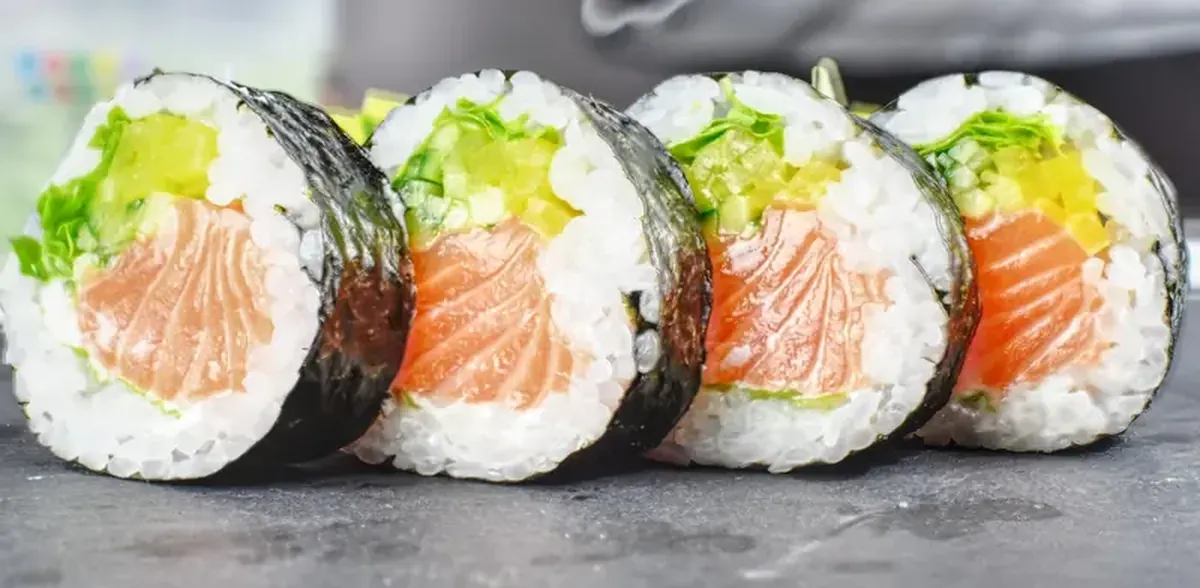
- Nori — seaweed used for making sushi and rolls, with 1.6 to 4.3 mg of iodine per 100 ml.
- Cod — a healthy, low-fat fish. It provides 170 mcg of iodine per 100 grams, which is 113% of the daily requirement.
- Tuna — a fattier fish that also contains potassium, phosphorus, iron, and magnesium. It has 18 mcg of iodine per 100 grams.
- Shrimp — many types of seafood are rich in iodine, and shrimp stand out with 40 mcg of iodine per 100 mg. Shrimp are also beneficial for brain function.
- Turkey meat — the breast is the best part, containing 37 mcg of iodine per 100 grams.
- White beans — these legumes are nutritious and tasty, providing 30 mcg of iodine per 100 grams.
In addition to the foods listed above, significant iodine reserves can be found in seaweed, cheese (both hard and soft), eggs, potatoes, iodized salt, and more.
Which Fruits Are High in Iodine?
Plant-based foods can also help meet iodine needs. These fruits and berries are noteworthy:
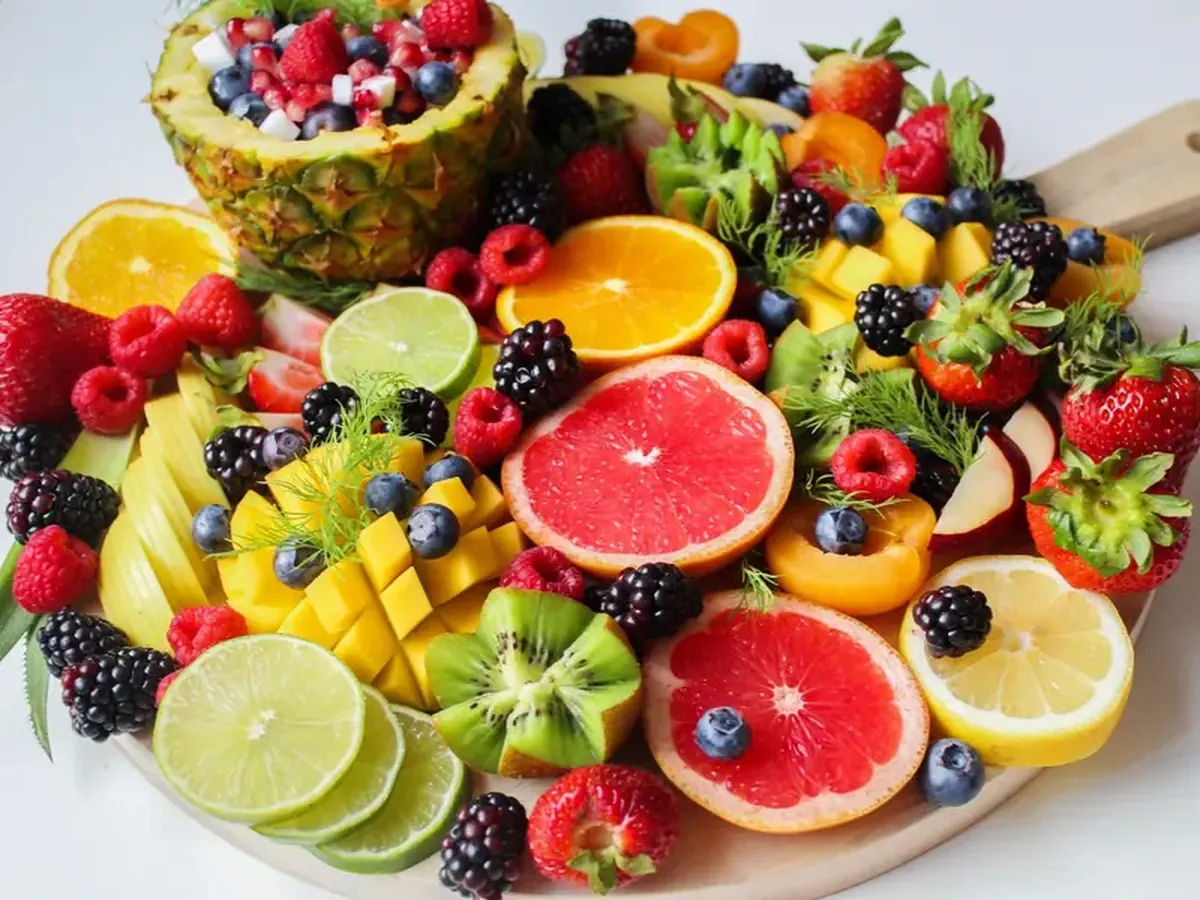
- Cranberries — this tart berry is rich in vitamin C, which helps absorb beneficial elements like iodine. Overall, it contains 350 mcg of iodine per 100 grams.
- Strawberries — loved by kids and adults alike; one cup of strawberries provides about 10% of the daily iodine requirement.
- Prunes — five dried plums provide roughly 13 mcg of iodine.
Bananas, oranges, lemons, melons, and persimmons also contain iodine. A medium banana has about 3 mcg. Nuts vary by ripeness, but green walnuts — especially their shells — are thought to have the highest amounts, around 3–7 mcg.
Where to Find Iodine Sources: How to Prepare Dishes
Knowing which foods are rich in iodine is only half the battle. You also need tasty ways to cook them so they actually boost your iodine intake. Making simple iodine-rich dishes isn’t hard if you follow a few recipes.
Here are some iodine-rich recipes and swaps that can complement or replace certain supplements:
Cod with Potatoes and Olives
Chop onions, cherry tomatoes, and olives and sauté them with garlic in a pan. Add cod fillets cut into strips and sauté everything together for about 10 minutes. Make mashed potatoes with olive oil and serve them alongside the fish.
Tuna and Seaweed Snack
Sprinkle a sheet of nori with warm water to soften it and place it on lavash. Spread a layer of cream cheese and add strips of fresh cucumber. Flake the meat of canned or cooked tuna with a fork and spread it over the lavash. Roll it up and grill until crispy.
Liver Patties
Chop beef liver with onions using a knife or a meat grinder with a coarse plate. Mix well and add a bit of flour. Fry in sunflower oil over medium heat, forming small patties with a spoon.
Couscous with Shrimp
Blanch peeled shrimp by pouring boiling water over them twice. In a saucepan, mix the zest and juice of one lemon, one lime, and one orange. Steam the couscous separately. Make a sauce with water, starch, and cilantro, and add hot pepper. Add the shrimp to the sauce and serve with couscous.

Which Foods Are Low in Iodine?
A low-iodine diet is used when iodine levels are high or when treating certain thyroid conditions. Foods low in iodine include:
- all vegetable oils;
- fresh meat;
- fresh juices (except rhubarb);
- raw vegetables or vegetables cooked without salt;
- egg whites and dishes based on them;
- grains and cereals, and bread made without iodine-containing ingredients.
Iodine is essential throughout life. By choosing iodine-rich foods you can build a nutritious and tasty daily menu.
Don’t rush to the pharmacy — focus on a balanced diet and explore natural sources. Use them wisely, and be open to trying new foods, recipes, and flavors.
