
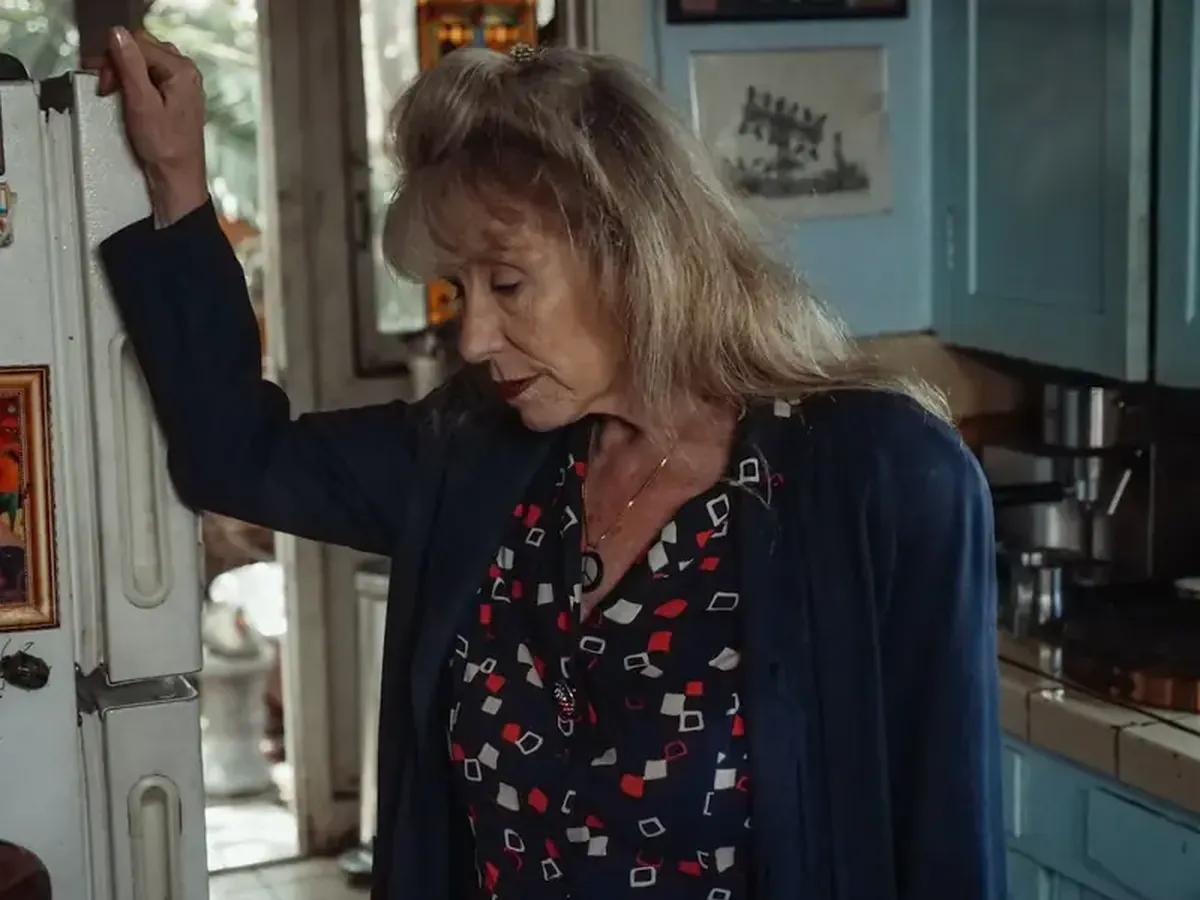
A new study arrives as the world ages. The World Health Organization (WHO) reports that 17 percent of the global population is now 60 years old or older.
The researchers used data from the Longitudinal Research on Aging Drivers (LongROAD) study, which followed about 3,000 participants across the United States.
Why Do Older Adults Suffer from Depression?
They found that the biggest contributors to depression in older adults are financial strain and weak family ties — essentially, not having enough money and lacking close family support.
The study warns that depression is a serious health issue for this age group. People with depression are much more likely to develop other chronic conditions, such as diabetes, cardiovascular disease, and hypertension. Those conditions are known risk factors for premature death.
In the U.S., the projected rate of depression among people aged 65 and older is about 18.4 percent. In this study, the highest rates of depression appeared in the 65–69 age group, while rates were significantly lower among participants aged 70–74.
The lead author, Dr. Guohua Li, attributes that pattern to the abrupt transition to retirement. “The 65–69 age group faces significant life changes that can contribute to the onset of depressive symptoms,” he said.
These symptoms are also more common among people who are financially insecure. Participants with an annual income over $50,000 had a lower risk of depression.
Genetics also plays a role: a genetic predisposition to depression is another key factor, BBC Science Focus reported.
How to Combat Depression in Retirement?
The study found that marriage and family connections help protect against depression. If someone feels lonely, building social relationships is important. “Social relationships in general, and marriage in particular, can provide protection against mental health issues,” Dr. Li said.
The researchers also found that volunteering is one of the best ways to boost mental well-being in older age. Participants who volunteered had a 43 percent lower chance of developing depression.
Volunteering provides social interaction and a sense of purpose, which boosts life satisfaction. If someone lacks the money to donate, they can still help others through unpaid good deeds and community service.
The authors say this matches other reports showing that after 65, physical health problems become more frequent and social connections diminish, which can deepen isolation and depressive symptoms. In contrast, people who volunteer have a much lower risk of depression.
