
About one-third of adults worldwide have hypertension and related conditions, including heart disease, chronic kidney disease, stroke, and dementia.
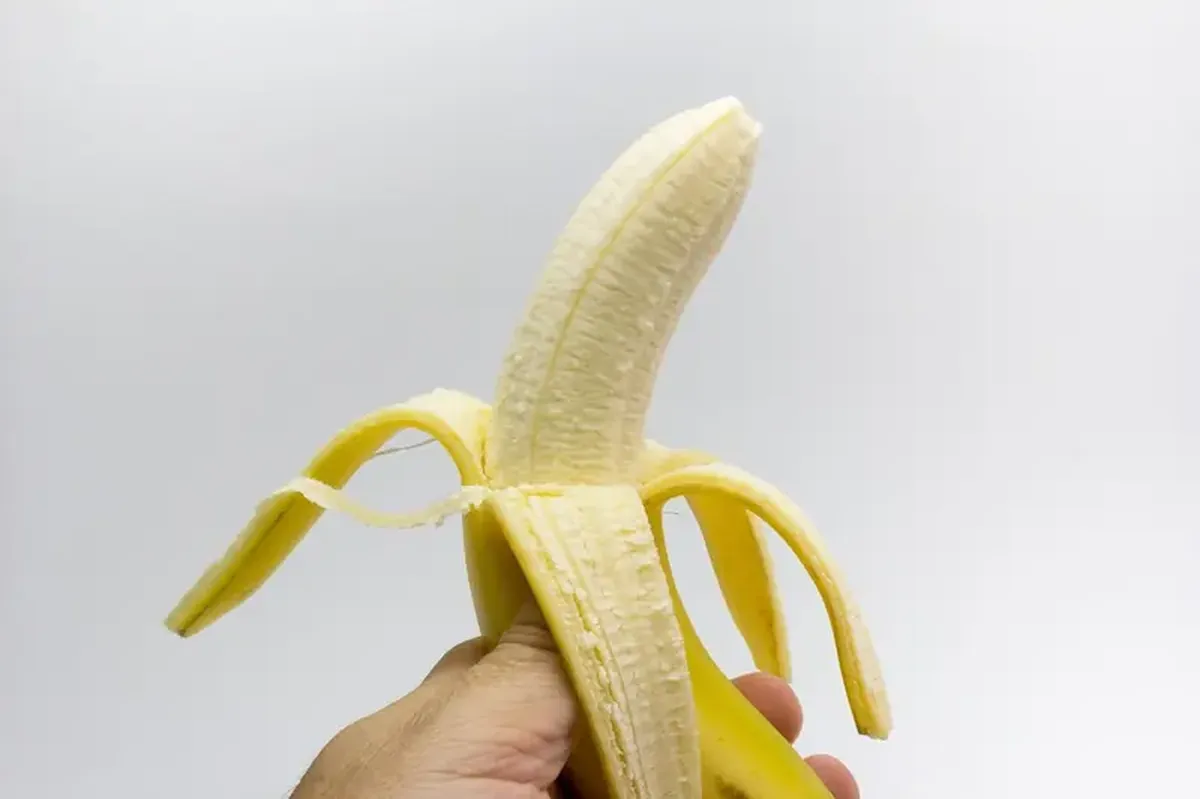
A new study from the University of Waterloo in Canada found that managing potassium levels by eating bananas can be a powerful way to lower blood pressure — even more effective than simply cutting back on salt.
What Did the Scientists Discover?
Doctors often recommend that people with high blood pressure cut their salt intake to help manage it.
But the Canadian team suggests adding bananas to the diet may do a better job of regulating blood pressure. They say reducing salt is still important, just not the only solution.
Anita Leighton, a co-author of the study, said, “Our work showed that adding more potassium-rich foods, such as bananas or broccoli, to the diet can have a more significant impact on lowering blood pressure than simply reducing sodium intake.”
Sodium and potassium are electrolytes that help the body send electrical signals for muscle contractions and play roles in functions like fluid balance.
The researchers found that increasing the ratio of potassium to sodium in the diet helps combat high blood pressure more effectively than merely cutting sodium alone.
Previous studies have shown that more dietary potassium helps control blood pressure, but the exact potassium-to-sodium balance needed for the best effect has been unclear.
“Although the link between excessive sodium intake and elevated blood pressure is well recognized, the beneficial effects of increased dietary potassium have traditionally received less attention,” the authors wrote.
To measure how the potassium-to-sodium ratio affects the body, the scientists used a mathematical model that accounted for gender differences. They simulated different levels of sodium and potassium ions and their effects on blood pressure.
The results showed, for example, that high blood pressure develops more often in men than in premenopausal women. A higher potassium-to-sodium ratio had a stronger positive effect on blood pressure readings in men than in women.
Co-author Melissa Stadt suggested, “Ancient humans ate lots of fruits and vegetables, so our body’s regulatory systems may have evolved to work better on a diet high in potassium and low in sodium.”
Modern Western diets typically have a lot more sodium and far less potassium. Stadt said that helps explain why high blood pressure is mainly a problem in industrial societies rather than in isolated populations.
The study was published in the American Journal of Physiology—Renal Physiology.
