
 Gaby
Gaby
Art therapy uses art and creativity as a psychological intervention. This form of psychotherapy includes two main approaches: creative self-expression and the guided appreciation of existing artworks. Who developed this method, and who benefits from it?
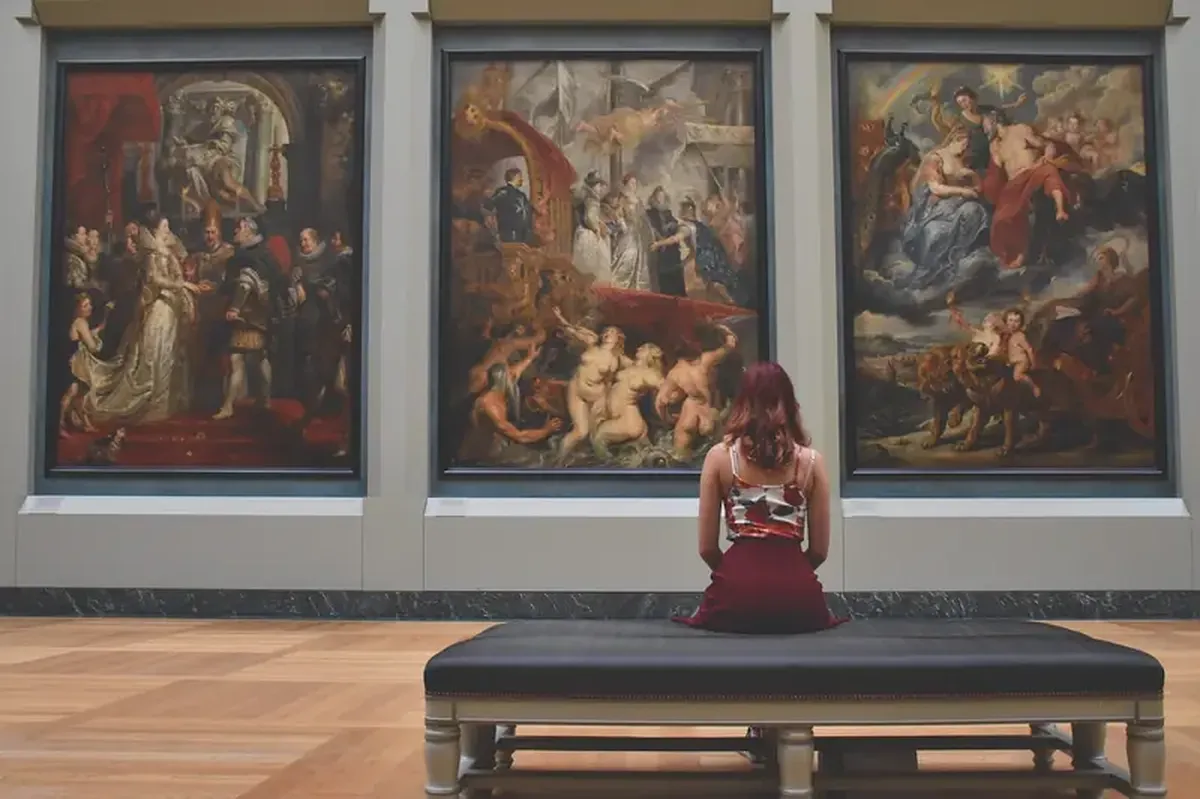
The Roots in Expressionism
Put simply, art therapy describes the positive effect visual art can have on emotions and mental health. Expressionism, which emphasizes emotionally charged portrayals of an individual’s inner world, is often cited as the movement that inspired art therapy. The practice became scientifically grounded at the intersection of psychology and the visual arts in the 1940s, as clinicians paid attention to so-called outsider art and opened new diagnostic and treatment avenues. American psychologist Tarmo Pasto saw children’s drawings and the work of people with mental illness as reflections of internal states, distinguishing those spontaneous creations from the work of trained artists who shape emotion through formal artistic tasks.
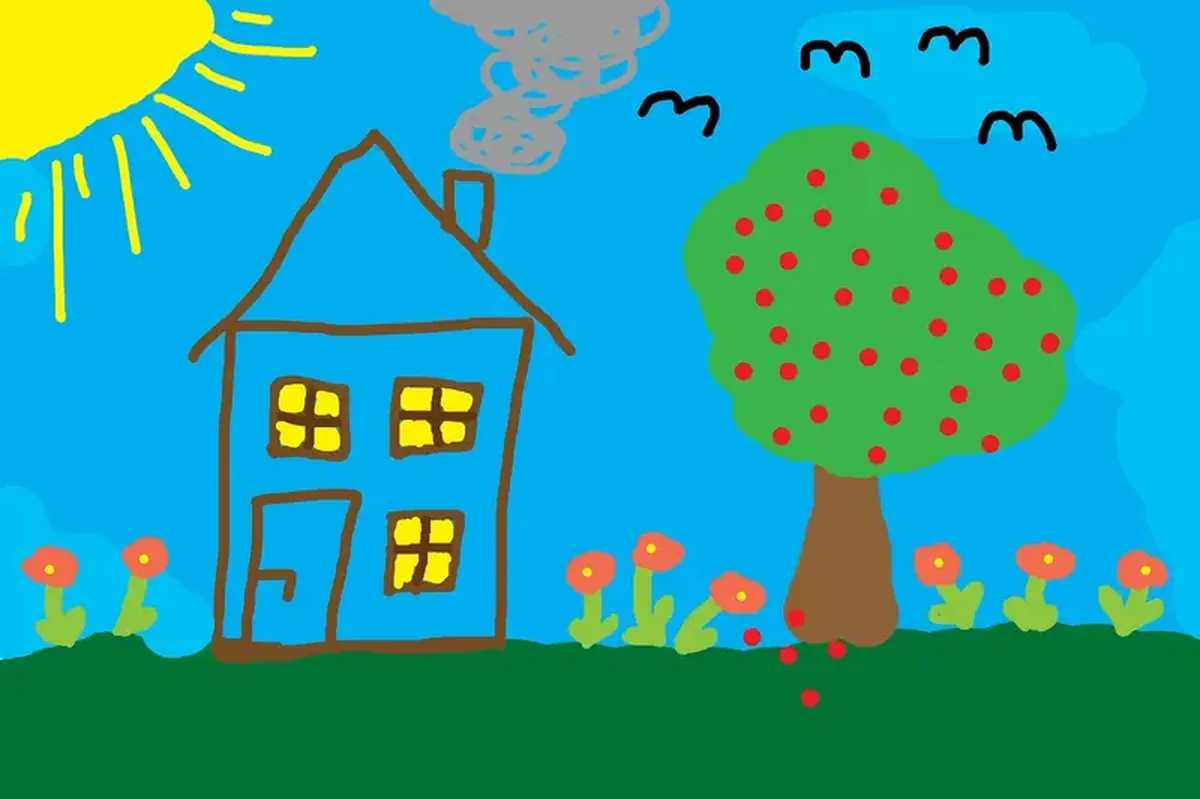
The term “art therapy,” literally “healing through art,” was coined in 1938 by artist Adrian Hill. Describing his work with patients in tuberculosis sanatoriums, Hill wrote that the act of creating—an absorbing, meditative process—helped people recover. In the United States, art therapy techniques were later used to support children displaced from Nazi camps during World War II. This approach fit with psychoanalytic ideas from Sigmund Freud and Carl Gustav Jung that artistic products can reveal unconscious mental processes. The method studies both spontaneous drawings made on the creator’s own initiative and impromptu drawings made at the therapist’s request. Drawing therapy is used to address psychological trauma, crisis states, and internal conflicts.
Manifestation of States
Art becomes a channel of communication between therapist and patient, helping explore basic emotions—love, joy, anger, resentment, fear, hatred, and others—through visual imagery. The goal of art therapy is to harmonize mental states by encouraging self-expression and self-discovery. By building self-control and creative skills, art therapy can boost self-esteem, help process suppressed emotions, and provide socially acceptable outlets for aggression and other negative impulses. From a psychoanalytic perspective, the mechanism at work is sublimation—redirecting psychic energy into creative activity as a way to relieve internal tension.

Art therapy also facilitates contact and provides material for psychological assessment. Neither the patient nor the therapist needs formal artistic training: the patient expresses themselves visually, and the therapist interprets the symbols that appear. Indications for art therapy include low self-esteem, relationship dissatisfaction, emotional instability, impulsive reactions, low mood, heightened anxiety, loneliness, interpersonal conflict, stress, and phobias. While it is a useful corrective tool for children with autism or speech disorders, art therapy is usually an adjunct rather than a primary treatment for conditions such as bulimia, anorexia, and alcohol dependence.
Indicators of Feelings
Art therapy engages both hemispheres of the brain—the right for imaginative thinking and the left for abstract-logical processing. During drawing, people project desires, feelings, and dreams into images, which can help them change how they view situations and face traumatic experiences with less pain. Drawing relieves tension and fear, making it useful for treating stress states and neuroses. By changing drawing themes, the therapist shifts attention toward what matters. For the specialist, both content and means of expression are informative: repeated details, composition, size, shape, color, and other elements signal the artist’s emotional state.

Color meaning depends on age and cultural background. Red can suggest war or life force and may be read as blood, cruelty, conflict, and aggression or as rebirth, vitality, and attention. Orange often signals fertility, pleasure, and happiness, though in Buddhism it can symbolize renunciation. Yellow can mean sun and warmth but also deception or illness. Green, a sacred color in Islam, can mean growth and life while also suggesting inexperience. Blue can represent loyalty, trust, and wisdom as well as skepticism and sadness. White may indicate purity, experience, and new beginnings but also passivity or helplessness. Black can convey strength, moderation, and reliability while also evoking decay or dirt.
Types of Art Therapy
Beyond painting, art therapy includes many creative forms. Newer directions include sand therapy, where images are created with sand. Other forms include sculptural therapy, dance therapy, drama therapy, music therapy, play therapy, doll therapy, and bibliotherapy, including fairy-tale therapy. Art therapy can use the performing arts, architecture, literature, photography, or film. The visual arts—based on the movement of images—were once considered “the most important of the arts.” Healing through viewing and creating screen works is known as film therapy.

Film’s effect depends not only on depicting objects and events but also on their psychological reflection: attention, concentration, cognitive processing, and the viewer’s perceptual activity. Good films allow viewers to enter another person’s inner world, empathize, and interpret nonverbal information. By triggering a range of psychological reactions, film becomes a source of new experiences that can satisfy both positive and negative expectations. Movies shape worldviews and let people safely experience what they might avoid confronting in real life.
Reality Replacement
Watching film can trigger many of the same brain responses as living through comparable situations. When we’re down, an inspiring movie can lift our mood and distract us, because the brain links emotions felt on screen to real life. Binge-watching gripping series offers a quick dopamine hit—instant gratification—and viewers can become accustomed to that pleasurable state, craving more of the action that produces it. But films can affect the psyche in both positive and negative ways.

Film sessions can produce joy, euphoria, catharsis, pain, stress, or even psychological trauma. Studies show that sad films often evoke sorrow, aggressive plots provoke hostility, and horror films increase fear. Psychologist Glen Walters pointed to tension (the pleasure of sustained attention), relevance (touching vulnerable psychological themes), and the sense of safety from unreality as keys to horror’s appeal. Those elements let people who avoid real danger feel brave enough to seek thrills on screen.
Intense Sensations
Psychologists explain horror’s appeal in part through evolutionary memory: past generations faced adventures, trials, and risks—ancestors fought predators and enemies. The fear stirred by horror films can displace everyday anxieties and ease psychological distress. Recognizing safety while watching allows viewers to enjoy on-screen nightmares, learn to control fear, and respond calmly to stress. From that angle, film acts as a school of emotional experience. But when fear is abundant in real life, few people want to relive it on screen.

Experts link our curiosity about danger to evolution—without that curiosity, humanity might not have survived—but they warn that constant exposure to frightening plots can be problematic. The same brain areas that activate in post-traumatic stress disorder respond to repeated horror, and people who have experienced real trauma may require treatment rather than exposure. The pleasure from horror films depends on a person’s dopamine reward function, so the approach is not suitable for everyone. Crime victims and highly introverted people who are deeply inward-focused should avoid using fear-based films to treat phobias without consulting a psychotherapist.
To Lift the Spirit
Psychologists list the following films as ones that can help combat depression: “Joy” (2015); “Tully” (2017); “Collateral Beauty” (2016); “Begin Again” (2013); “The Royal Tenenbaums” (2001); “Little Miss Sunshine” (2006); “Numb” (2007); “It’s Kind of a Funny Story” (2010); “Cake” (2014); “Ta’m e guilass” (1997); “The Perks of Being a Wallflower” (2012); “Side Effects” (2013); “The Beaver” (2010); and “Lost in Translation” (2003).
These films center on problem-solving, grief, rediscovering joy, and rebirth. Their protagonists face emotional hunger, midlife crises, and harsh life circumstances that push them toward despair—an acute need for happiness. The films do not gloss over pain; they show how hard it can be to find a way out. Watching characters overcome a “dark streak” alongside them helps viewers see that troubles are not permanent and that people can endure more than they think.
