
 Carlos Solis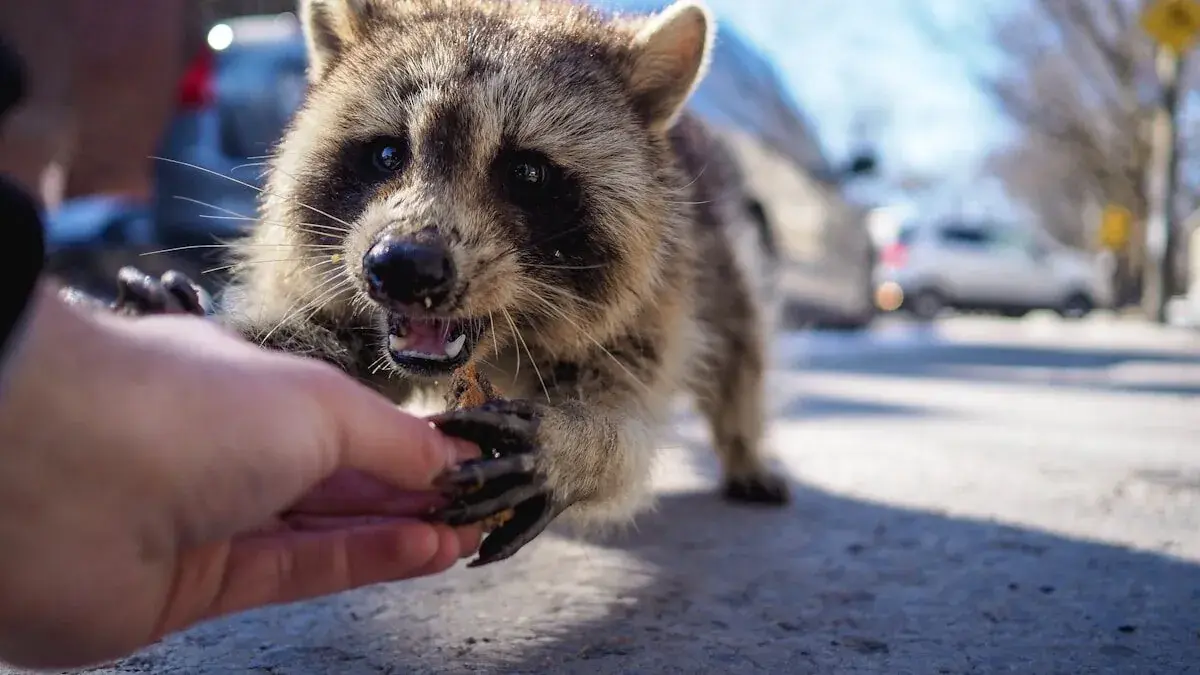
Last fall, a study of American raccoons revealed a startling possibility: they may be starting to domesticate themselves. These furry troublemakers, often called “trash pandas,” are showing up more and more around people’s homes and are beginning to look different from their wild relatives.
This is not the first time wild animals have learned to take advantage of humans for their own gain.
- Dogs did this at least 14,000 years ago. They figured out that befriending two-legged creatures who leave behind plenty of food scraps meant tastier, more reliable leftovers and protection from the harsh shortages of the wild.
- Cats followed a similar path about 10,000 years ago. New genetic evidence shows they started hanging around people’s granaries, which attracted rodents, and over time they domesticated themselves for the same comforts.
That arrangement proved useful for people too. Early dogs worked as guards, protectors, and hunting helpers. Cats, in turn, defended grain stores from pests and helped limit disease spread. Over generations, natural selection and human influence shaped both into the cuddly companions that now sleep on our couches.
So can raccoons pull off the same evolutionary trick and move into our homes?
Viral TikTok Clips vs. Reality
With their mask-like faces and nimble “hands,” pet raccoons have become social media stars. Videos of them sleeping in dresser drawers or swiping colorful cereal from plates rack up millions of views.
But algorithms show only one side. Lauren Stanton, a doctoral candidate in the Shell Lab at the University of California, Berkeley, says, “These are extremely active, intelligent animals with complex needs.”
Why a Raccoon in Your House Is a Disaster
- Nocturnal lifestyle. They sleep in cozy spots during the day and, at dusk, set out to forage, hunt, and socialize. In the wild, their home ranges can span several square kilometers. They also make a lot of noise: raccoons purr, chirp, hiss, and even howl. A noisy nocturnal troublemaker will not help your sleep.
- Hyperactive paws. Although raccoons lack an opposable thumb, their fine motor skills are impressive. A pet raccoon can untie knots, open latches, unscrew a jar of food, or open doors in the middle of the night—and during mating season it might invite wild friends over for a loud party.
- Predatory instincts. Raccoons are omnivores and extreme opportunists. They hunt insects, aquatic animals, small mammals, and birds. Their nighttime raids will target more than just your refrigerator and kitchen cabinets. If you own a hamster, a parrot, or aquarium fish, those pets are at serious risk.
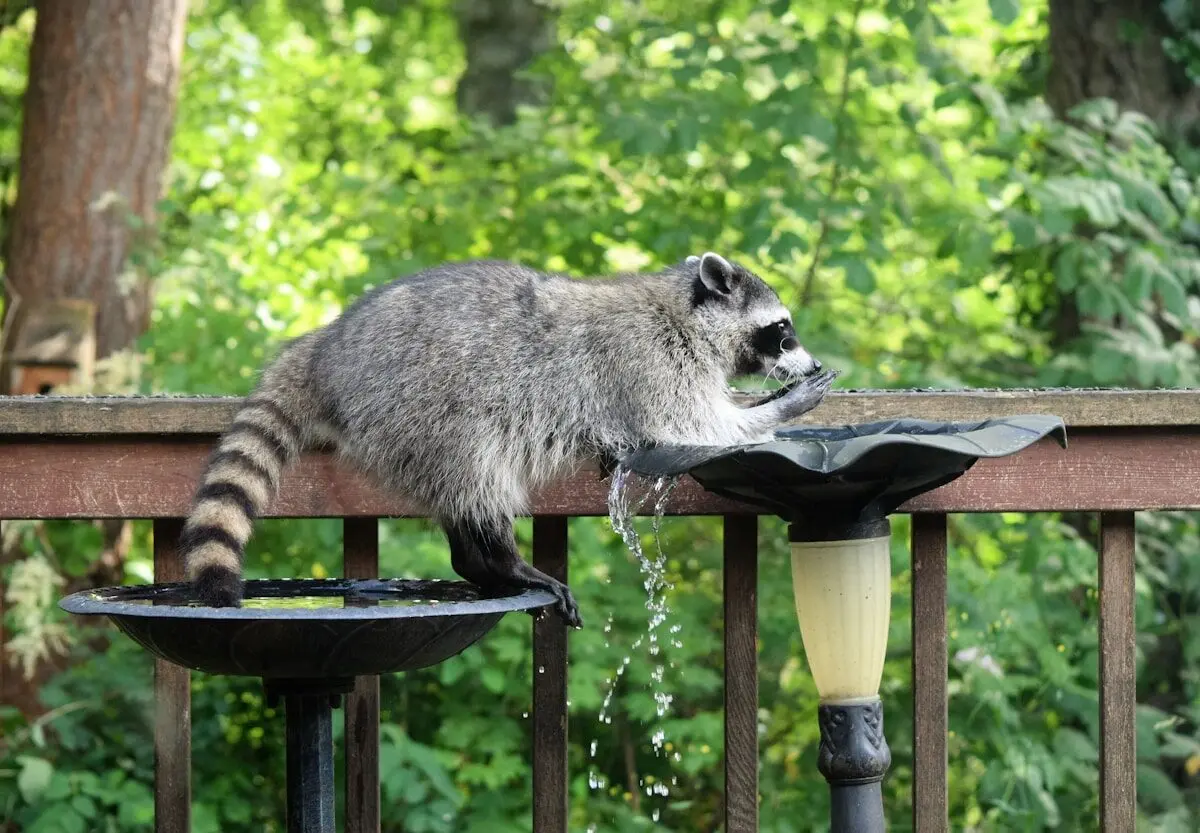
- That washing habit. Raccoons are famous for dunking their food in water — which actually boosts the sensitivity of their paws while eating — but that habit becomes a nightmare indoors. They’ll use any water source: the toilet, a sink full of dirty dishes, or that unfortunate aquarium.
Even long-term evolution is unlikely to blunt these deeply rooted instincts enough to make raccoons safe in an apartment.
Stanton says she has talked with many people who tried keeping raccoons. Their stories almost always end the same way: the animal becomes unmanageable, and people release it back into the wild. For a raccoon raised by humans, that release is a death sentence because the animal lacks basic survival skills.
In the end, Stanton stands firm: there is no realistic future in which raccoons become good household pets.
She argues that curiosity and an unruly temperament are exactly what make raccoons so charismatic. If we strip away their wildness to keep them in captivity or try to domesticate them, we risk losing the very traits that make them special.
Based on material from Popular Science
