
 Carlos Solis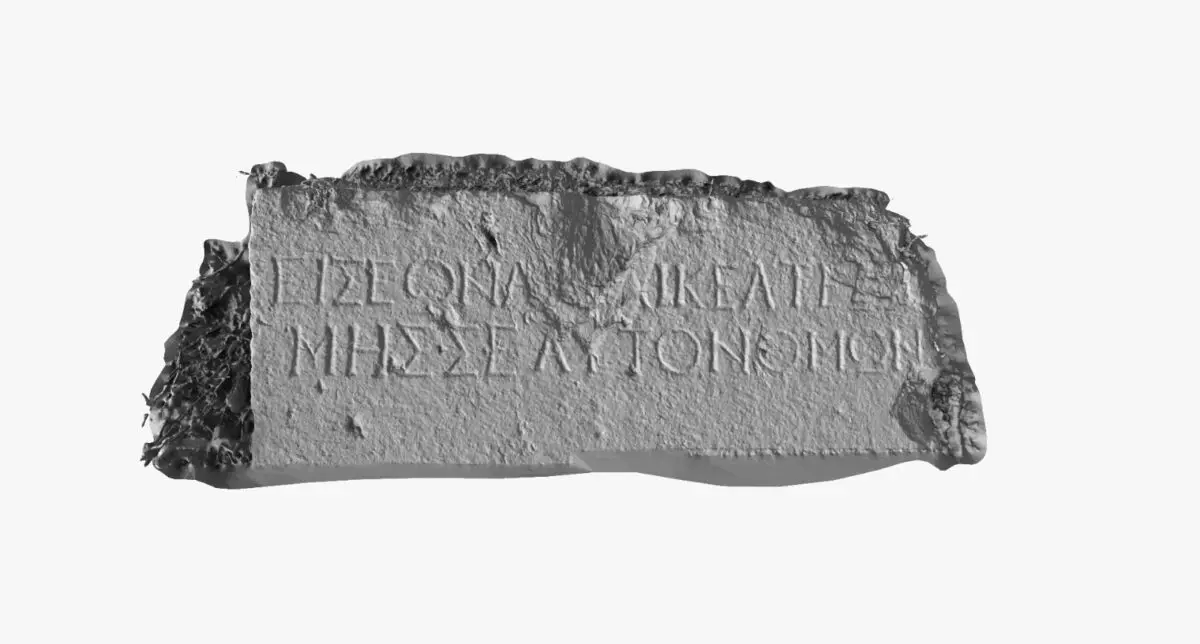
At the gate of an ancient mountain city, archaeologists found a blunt political message. Professor Mustafa Koçak, the lead archaeologist at the Güllük Mountain National Park dig, said one recently deciphered inscription stood at the city’s entrance and told arrivals about Termessos’s status.
Gate inscription: a clear declaration of autonomy
Archaeologists found the inscription on a heavily eroded section near the collapsed gates, and digital modeling and modern documentation made the text readable. The text includes a phrase that translates as: “May the rights of Termessos’s independent citizens endure forever.”
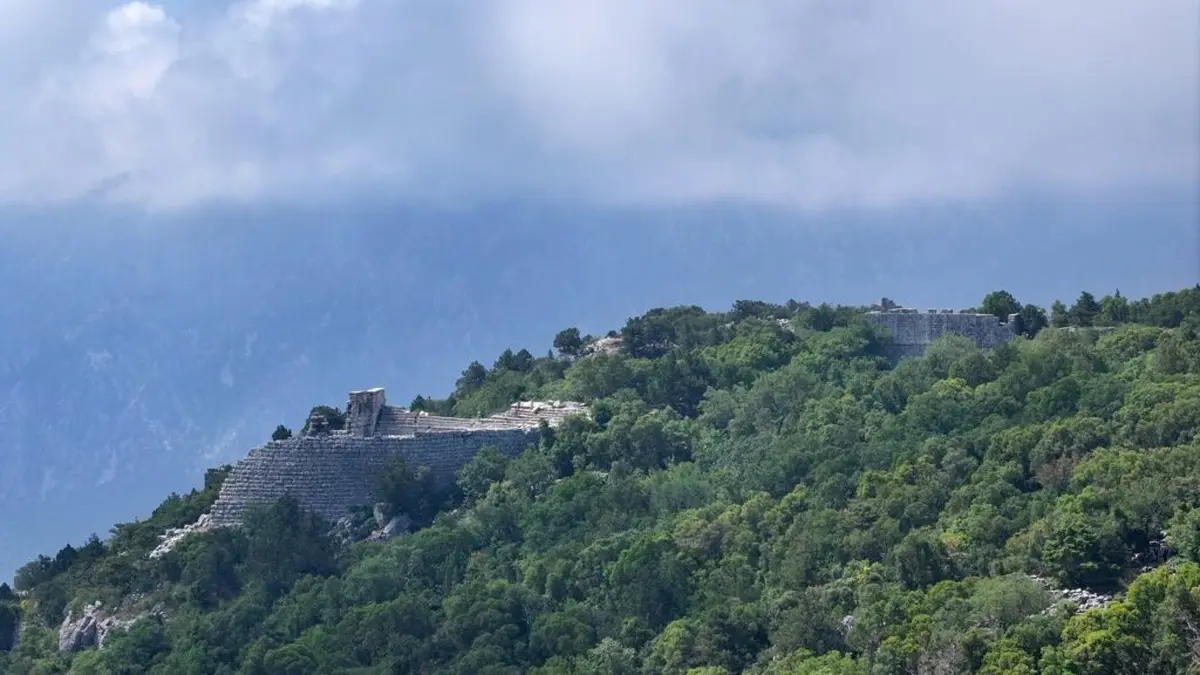
That detail matters for a city already famous for resisting Alexander the Great. Termessos sits more than 1,000 meters above sea level among steep slopes and dense mountain massifs, and it controlled a naturally fortified position northwest of modern Antalya. Ancient sources describe an unsuccessful attempt by Alexander to take the city in 333 BCE, and that event helped build its reputation as an almost impregnable mountain fortress.
The inscription adds a direct civic voice to that reputation. It appears at the entrance rather than inside a sanctuary or administrative building, so people passing through the gates saw not only walls and towers but a political statement. Koçak said restoring the collapsed gates is part of the archaeological team’s long-term plans.
An oracle on knucklebones: how the divination worked
The second inscription reveals another side of daily life in Termessos. Archaeologists identified the text as related to divination on astragali, the small knucklebones—usually from sheep or goats—that people in antiquity threw like dice. After a toss, the resulting number pointed to a corresponding line of text that recorded the answer.
Three stone blocks with similar texts survive, and one of them remains in place. The advice in those records could concern travel, trade, or other personal decisions. A traveler by the city gates could cast the knucklebones and get guidance on whether to set out, pursue business, or avoid a particular undertaking.
The answers used poetic language, so the inscriptions read as ritual formulas rather than dry administrative instructions. That style gave uncertainty a fixed form and made the responses easier to remember.
Politics, belief, and memory in stone
Together, the two inscriptions create a rare pairing: one proclaims how Termessos presented itself to the world, and the other shows what people asked before entering or leaving the city.
Termessos is known for its theater, agora, rock-cut tombs, sarcophagi, and unusually well-preserved traces of urban life. Because of the site’s rugged, hard-to-reach terrain and sheltered location, it has preserved much of the atmosphere that made it famous in antiquity. Those inscriptions make the place more understandable: the city didn’t just survive in isolation; it actively shaped its image and influenced the experience of visitors.
This story draws on reporting from Arkeonews.
