
 Carlos Solis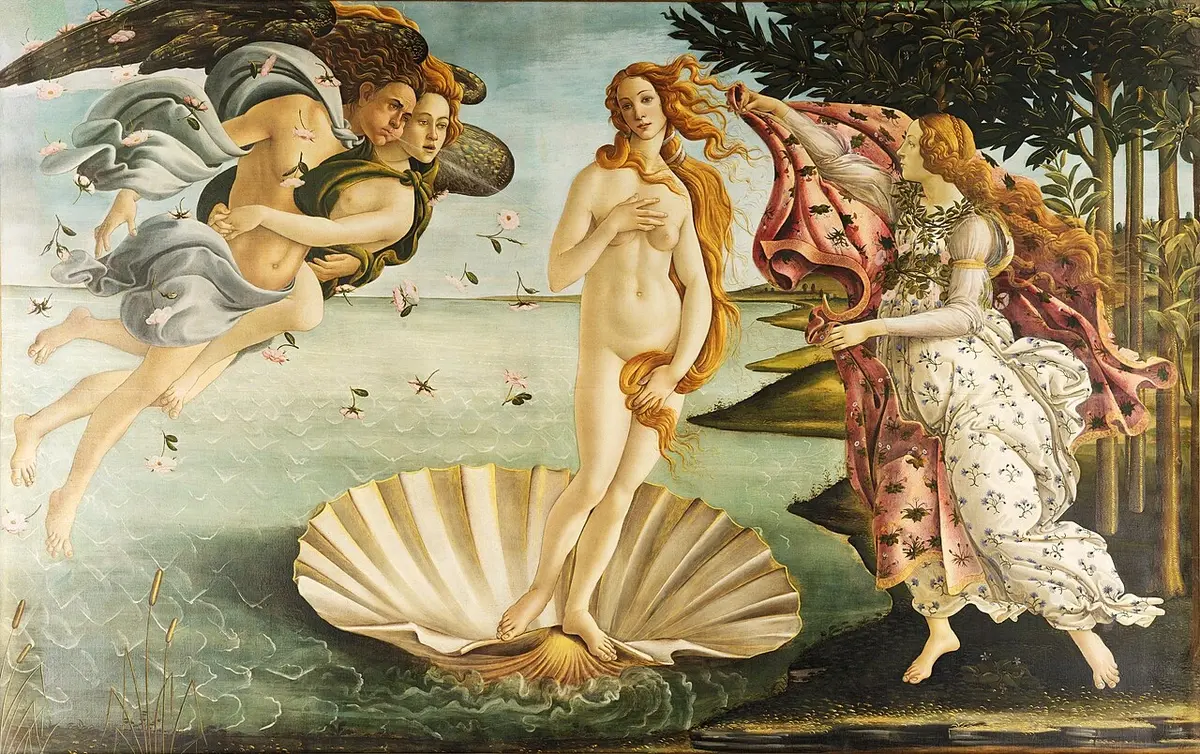
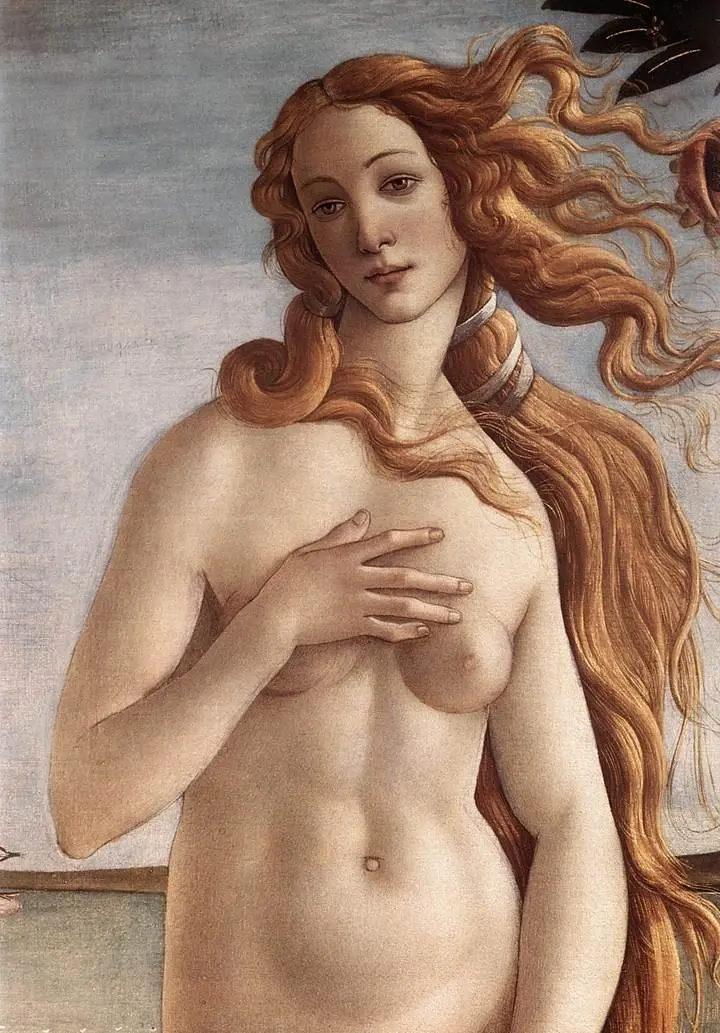
Art lovers have been asking a simple but persistent question for centuries: why does Venus in Botticelli’s The Birth of Venus appear to have one eye misaligned? For a long time people read the half‑closed eye as an artistic trick, a sign of piety, or an ideal of beauty. A team of researchers now offers a different explanation.
Researchers at Queen Mary University of London argue that Botticelli’s model was Simonetta Vespucci and that she probably had a pituitary adenoma. That benign tumor can cause strabismus—misaligned or crossed eyes.
Simonetta Vespucci’s Short Life
Simonetta stood out in Florentine high society, and Botticelli painted her at least five times. Botticelli admired her so deeply that, in 1510, he asked to be buried at her feet as a final gesture of devotion to his muse.
She died at 23. The research team examined historical documents and concluded that a likely cause of death was tumor apoplexy, a sudden, life‑threatening complication that can occur when an adenoma grows rapidly. The team also suggests that dancing at a ball or—according to another account—an alleged rape by Alfonso II d’Aragon, Duke of Calabria, could have triggered or accelerated the medical crisis.
Domiciana Nardelli, the study’s lead author, says, “Letters between Piero Vespucci and Lorenzo de’ Medici about Simonetta’s last days describe her fainting during the ball, then lying in a dark room and suffering unbearable headaches, hallucinations, vomiting, and high fever—symptoms of a rapidly growing pituitary adenoma.”
Signs of Illness in Other Paintings
The team ran a facial‑recognition algorithm on five portraits believed to show Simonetta. The analysis revealed several characteristic signs that line up with a pituitary adenoma.
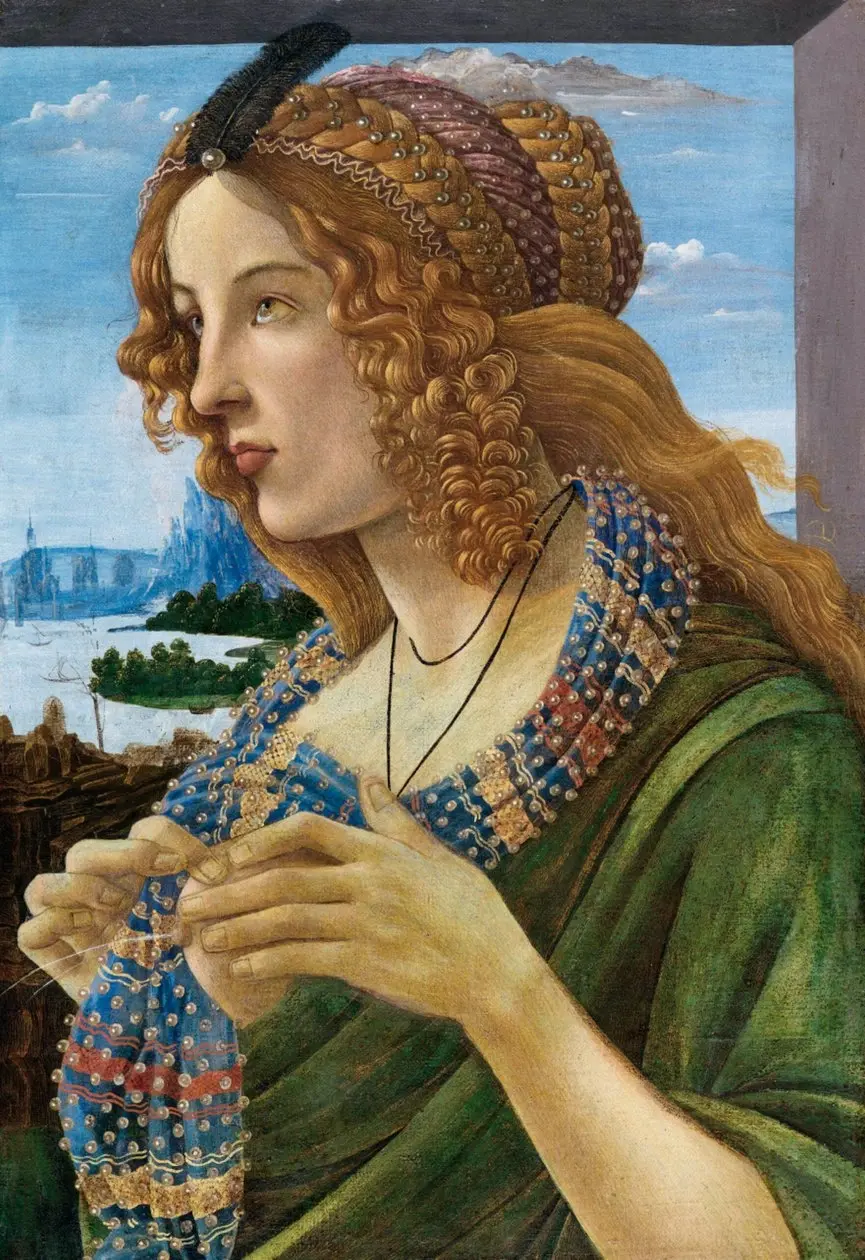
In addition to the misaligned eye, the algorithm flagged another unusual feature for a portrait—lactation. Nardelli explains that Botticelli’s “Allegorical Portrait of a Woman” shows the sitter breastfeeding even though historical records indicate she had no children. The researchers argue this could reflect physiological effects of a prolactin‑producing adenoma, a tumor that sometimes also secretes growth hormone.
Scientists have interpreted signs of disease in art before. In 2024, researchers at Université Paris‑Saclay identified possible signs of breast cancer in a female figure from Michelangelo’s Flood—specifically a deformed nipple and a small bulge in the breast that could correspond to a tumor. The study’s authors linked that depiction of pathology to the work’s themes of life and death.
Based on reporting by Daily Mail
Photo: wikipedia.org

