
 Carlos Solis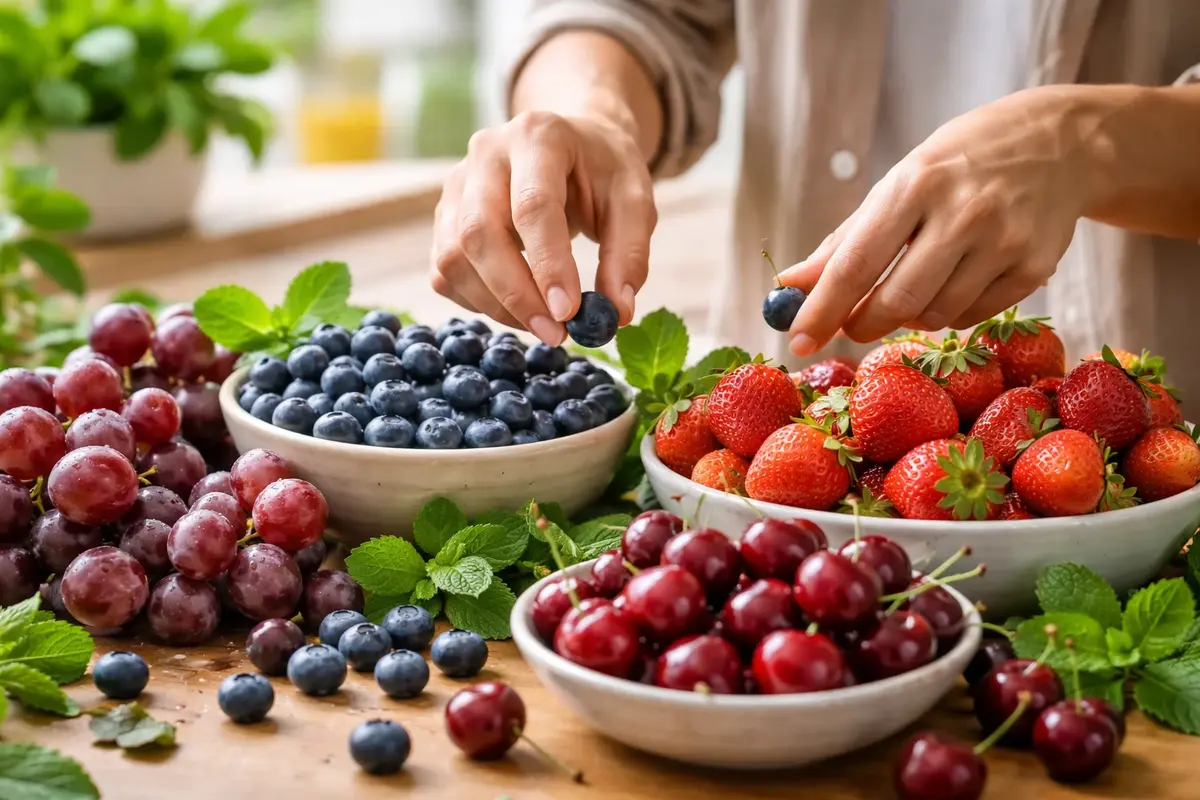
Fewer than one in five people eat the recommended daily amount of flavonoids, but a few simple foods can boost your intake. Even people who follow the “five-a-day” rule for fruits and vegetables may still miss out on this important nutrient.
are a class of antioxidants found in berries, dark chocolate, legumes and tea. They can support heart health and improve circulation by reducing inflammation.
Amount matters. The largest clinical study on flavonoids, led by Harvard Medical School, found that about 500 mg per day significantly lowers the risk of dying from cardiovascular disease.
Foods With the Most Flavonoids per Serving
- Plums (500 g) contain about 450 mg of flavonoids.
- Cranberries (250 g, roughly one package) contain about 300 mg.
- Blackberries (200 g) contain about 250 mg.
- Green tea (one 250-ml cup) contains about 200 mg.
- Cherries (400 g) contain about 130 mg.
- Apples with skin (200 g, one medium apple) contain about 110 mg.
- Strawberries (200 g) contain about 90 mg.
- Blueberries (150 g) contain about 80 mg.
- Beans (40 g, about two tablespoons dry) contain about 70 mg.
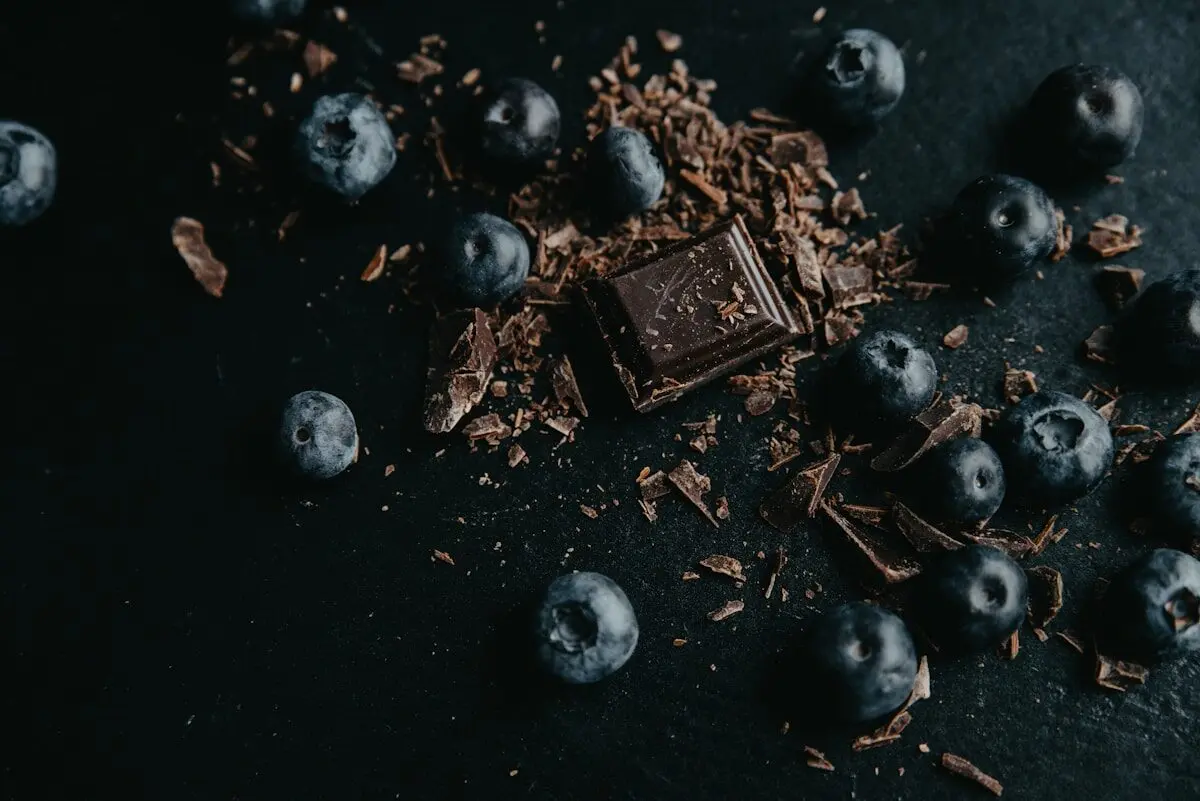
- Dark chocolate (recommended portion 20-30 g per day): contains about 150–200 mg.
Expert Advice
Professor Gunter Kunle at the University of Reading says the “five-a-day” message remains a useful guide, but people should pay attention to which five portions they pick. He explains that different fruits and vegetables offer different bonus benefits beyond vitamins and minerals, so dietary guidance may become more specific and more effective over time.
At the same time, several experts warn against drawing quick conclusions. Small studies have shown that flavonoids can lower blood pressure, but the evidence base is not yet strong enough to recommend increasing intake of these nutrients specifically. Professor Naveed Sattar at the University of Glasgow says people should be encouraged to eat more fruits and vegetables, but the main priority should be increasing fiber intake, which has a much stronger and more consistent evidence base.
This article draws on reporting by The Independent
Original coverage came from .

