
 Gaby
Gaby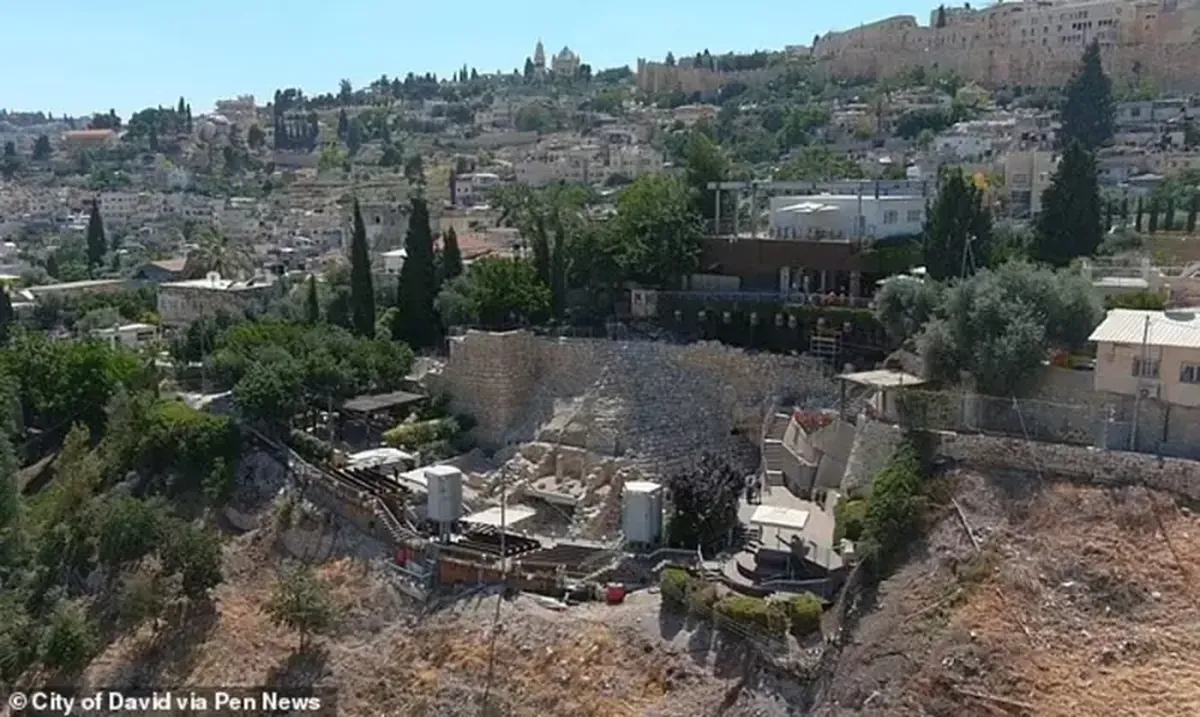
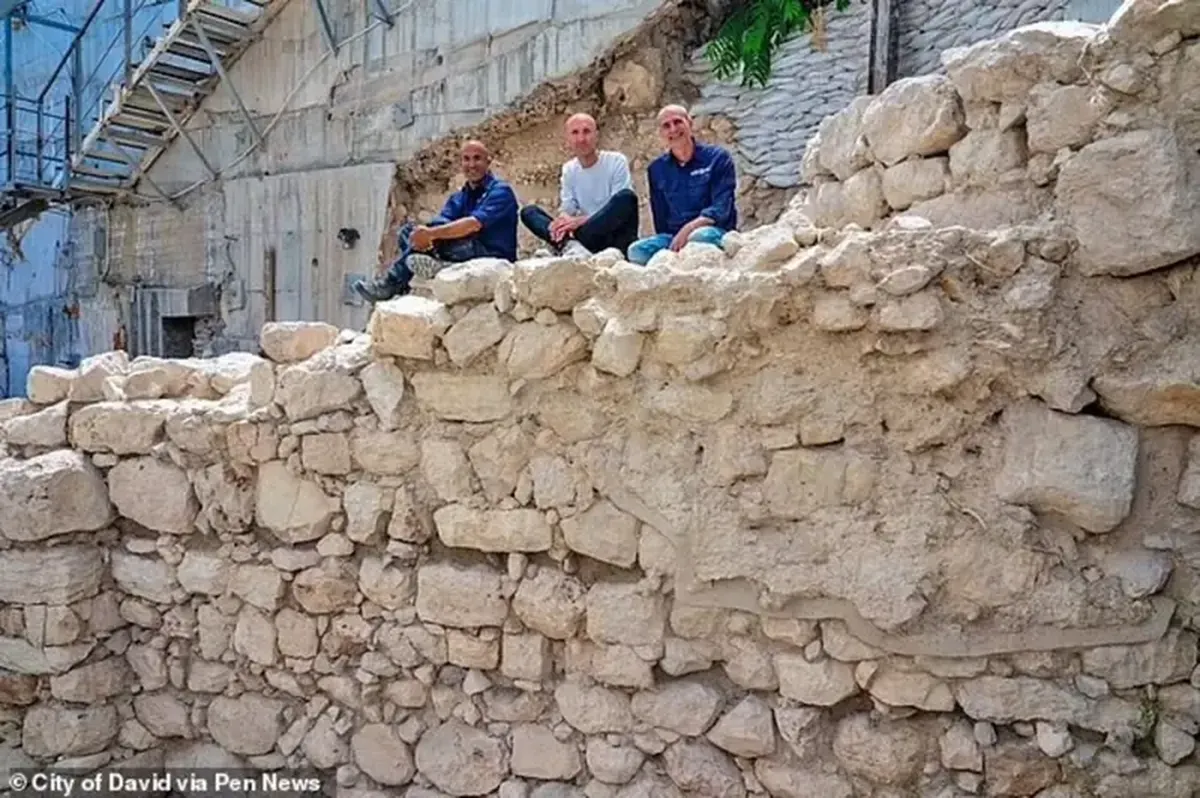
Radiocarbon dating has allowed a team from the Israel Antiquities Authority (IAA), Tel Aviv University, and the Weizmann Institute of Science to identify who built a section of wall in Jerusalem’s historic center.
They found it wasn’t King Hezekiah, as long believed, but his great-grandfather King Uzziah. That matches the biblical account.
Biblical Version Confirmed
The wall is located in the City of David—a historic archaeological site that, according to the Bible, formed the original city of Jerusalem.
That means the wall was built earlier than scholars had thought. Until now, researchers believed Hezekiah, king of Judah in the late 8th–early 7th centuries BCE, had erected it to fortify Jerusalem against the Assyrian Empire.
But a new study nearly a decade in the making shows King Uzziah, Hezekiah’s great-grandfather, built the wall after a major earthquake. Joe Uziel of the IAA said, “Until now, many researchers assumed that the wall was built by Hezekiah during his rebellion against Sennacherib, the king of Assyria, to protect Jerusalem during the Assyrian siege. It is now clear that the wall in the City of David was built earlier, shortly after a major earthquake in Jerusalem.”
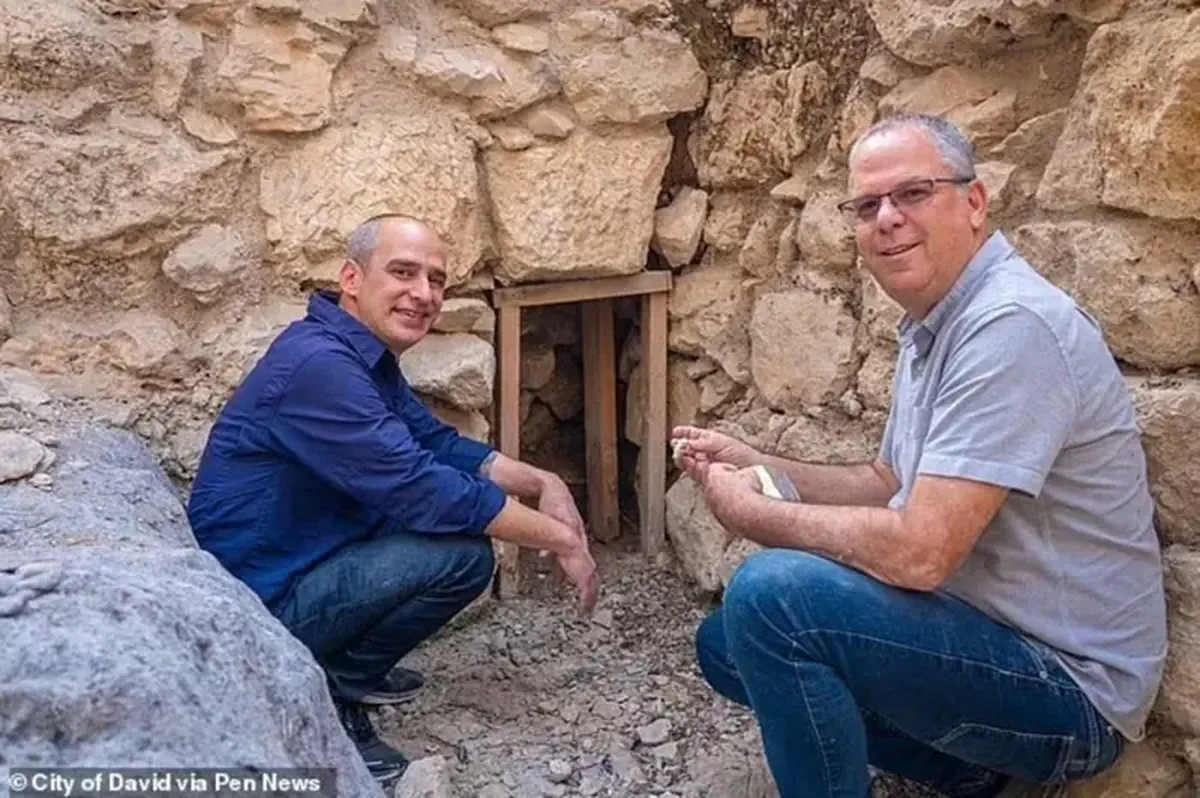
Dr. Joe Uziel from the Israel Antiquities Authority (left) and Professor Yuval Gadot from Tel Aviv University.
The construction is described in the Old Testament, in the Second Book of Chronicles: “Uzziah built towers in Jerusalem at the Corner Gate, at the Valley Gate, and at the corner of the wall, and fortified them.”
How Researchers Uncovered the Ancient Wall
The team conducted radiocarbon dating on organic materials found at four different excavation sites in the ancient heart of Jerusalem—the City of David. This method uses the decay of the radioactive isotope carbon-14 (14C) to measure the age of carbon-containing artifacts.
Researchers dated grape and date seeds, as well as bat skeletons. They cleaned the material and converted it to graphite. That graphite was analyzed in an accelerator mass spectrometer, where ions reach speeds of roughly 3,000 kilometers per second to separate carbon-14 from other carbon isotopes. The carbon measurements produced the samples’ true ages, the Daily Mail reported.
Yuval Gadot of Tel Aviv University said, “The new findings support the idea that Jerusalem expanded and spread to Mount Zion as early as the 9th century BCE. This was during the reign of King Joash—one hundred years before the Assyrian exile. The new research showed that the expansion of Jerusalem was a result of internal Judean demographic growth and the formation of a political and economic system.” “This study revealed that in the 10th century BCE, during the time of David and Solomon, the city was populated in various areas and was likely larger than we previously thought,” Dr. Uziel added.
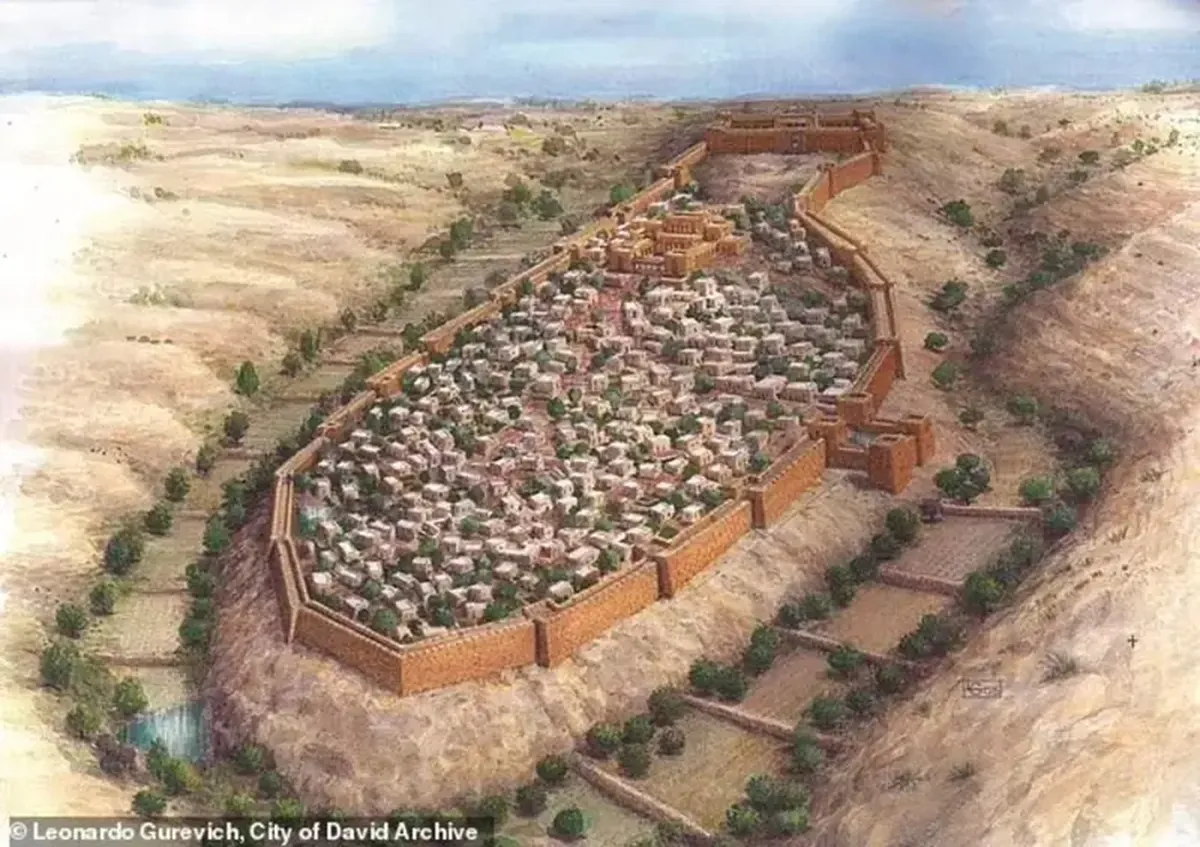
Illustration of a city defensive structure from the First Temple period, built during the reign of King Hezekiah, around 783–742 BCE.
Uziel said this makes it possible to “determine the age of specific buildings and correlate them with specific kings mentioned in the biblical text.”
The Kingdom of Judah lasted until 587 BCE, when the Babylonians besieged and destroyed its capital, Jerusalem, along with Solomon’s Temple, often referred to as the First Temple.
