
 Gaby
Gaby
An abandoned son, the persistent affection of a female friend, a stint in intelligence work, and a U.S. ban — surprising facts about the life of “Mama Carlson.”
Roots in Childhood
The author of the beloved trilogies about Carlson and Pippi Longstocking was born on the Ness farmstead, near the town of Vimmerby in Småland — a picturesque province in Sweden. She was born on November 14, 1907, the daughter of farmer Samuel August Eriksson and Hanna Jonsson.
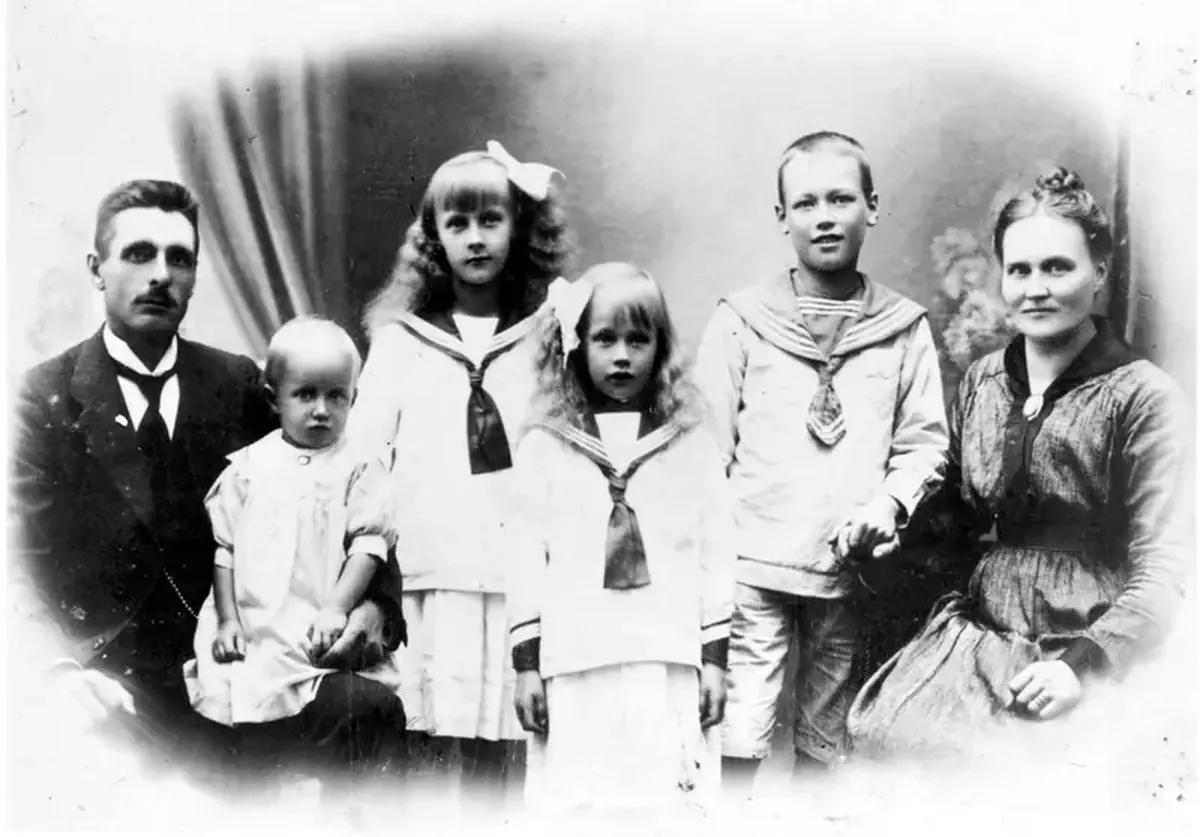
Astrid (third from the left) with her parents and siblings
She grew up in a family of four children (three girls and an older boy); as the writer ironically noted, they all survived despite being left free to play. The childhood adventures of Astrid Emilia Eriksson, her brother, and their friends inspired many of the stories she would later write and shaped her worldview. Lindgren believed children should not be stopped from jumping off haystacks and woodpiles or from climbing roofs and trees.
Scandalized Reputation
At 17, the rebel from patriarchal Vimmerby earned her parents’ disapproval by showing up at a Lutheran community in a pantsuit with a boyish haircut. That, however, was only the beginning of the surprises for her mother and father.
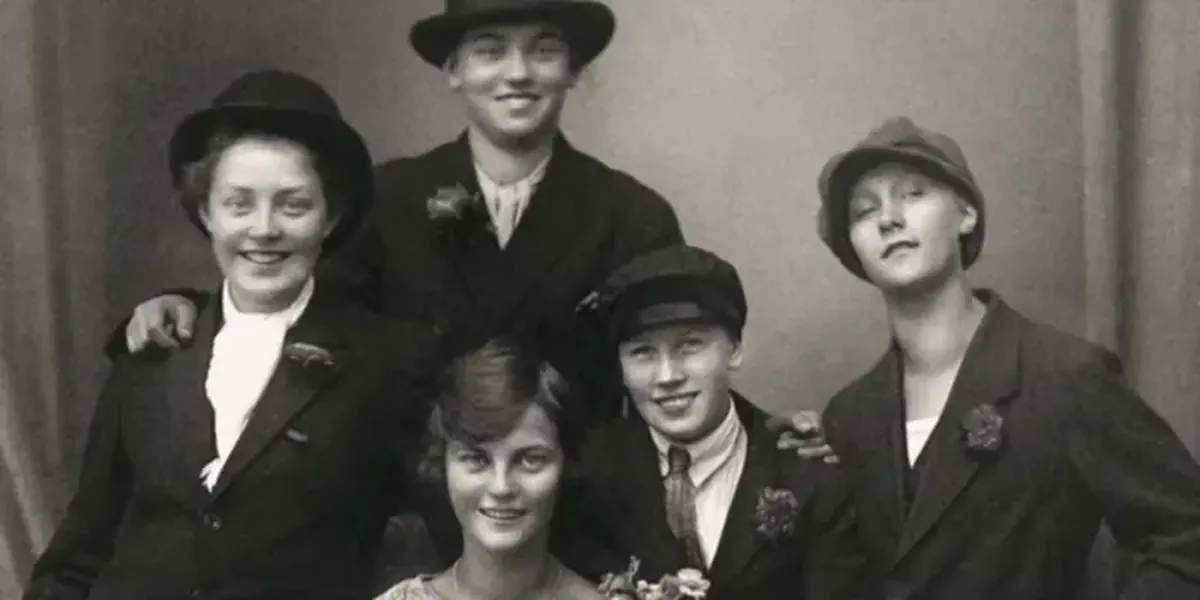
Astrid Eriksson, 1924
After landing an internship at the local paper Vimmerby Tidning, she became pregnant by her boss. The father of her child was 30 years her senior. At that time the paper’s editor, Axel Gustav Reinhold Blomberg, was married and raising seven children. To avoid gossip, Astrid quit her job and went to give birth in neighboring Denmark, where single mothers could keep the father’s name secret. “Until then, our family had an unblemished reputation; my religious parents condemned the birth of children out of wedlock, and here I was in this situation,” she wrote to a “friend in misfortune,” who also had to leave her baby with the same adoptive parents as Astrid. Born on December 4, 1926, her son Lars spent the first three years of his life in a foster family near Copenhagen, and those memories haunted Lindgren for the rest of her days.
Literary Material
In 1929 Astrid secured a secretarial position in Stockholm. Her new job at the Royal Automobile Club introduced her to a suitor: two years later she married her boss, Nils Sture Lindgren. Immediately after their wedding, the couple took in Astrid’s son and her husband gave the boy his surname. Later, the biological father also recognized the child, and Lars received his share of the inheritance.
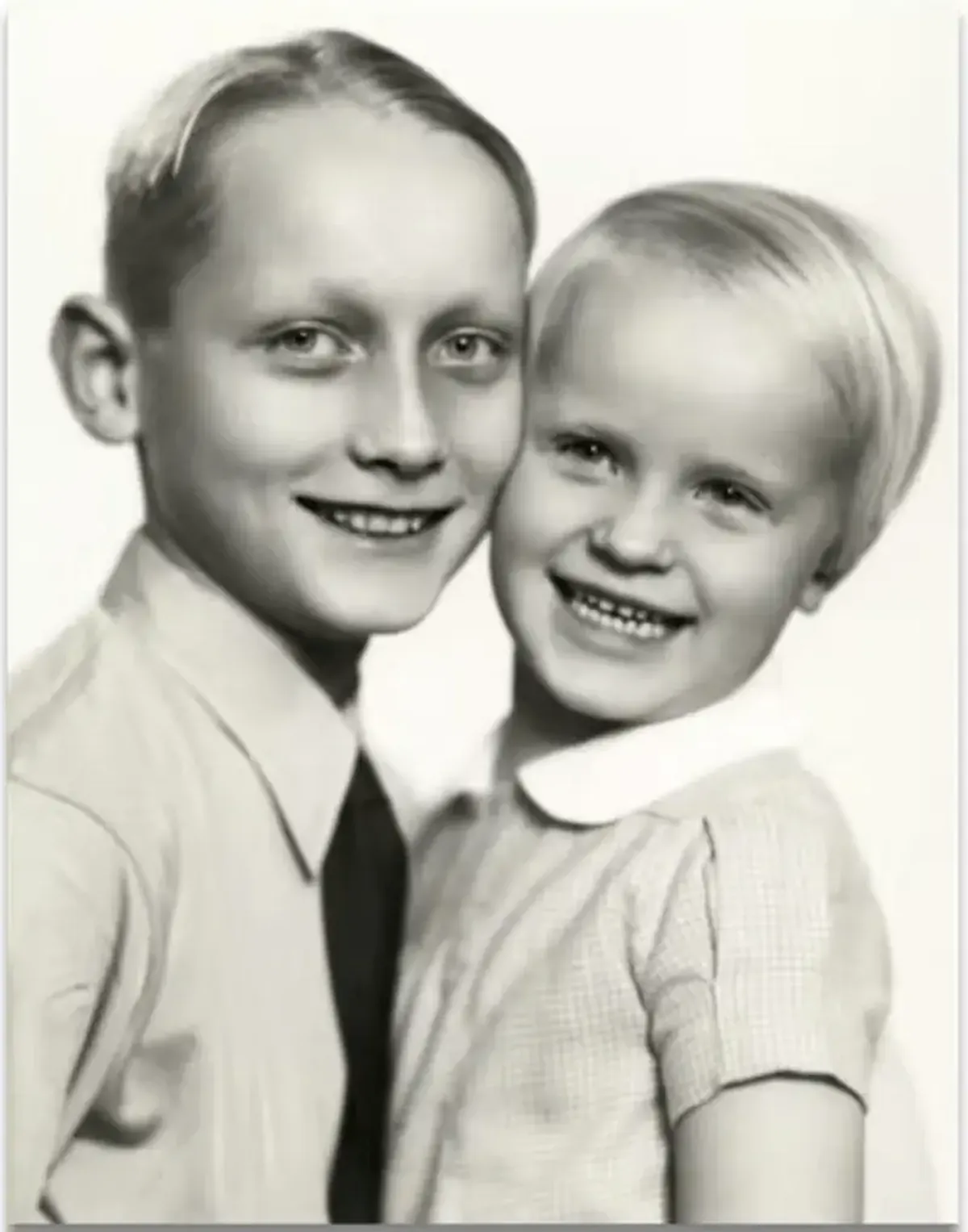
Astrid Lindgren’s children
Before Lars had a younger sister, Astrid made up for her earlier absence by spending several years closely with him. After marrying Lindgren she gave birth to a daughter, Karin, on May 21, 1934, and her life as a homemaker enriched her literary material: her own children inspired many plots. The story of foster care also became material for fiction: the writer’s novel Mio, My Mio! (1954) tells the story of a child’s suffering in a foster home. In fact, the theme of childhood loneliness runs like a thread throughout the writer’s work.
On the Side of the Child
Lindgren saw her creative mission as comforting children and she was always on their side. Still, society was not ready for that perspective, and the first manuscript about the red-haired rascal Pippi Longstocking was rejected by the publisher Bonniers in 1944. Only after Lindgren won a contest for the best reading for girls (another of her stories took second prize) did the publisher Rabén & Sjögren agree to print Pippi the following year.
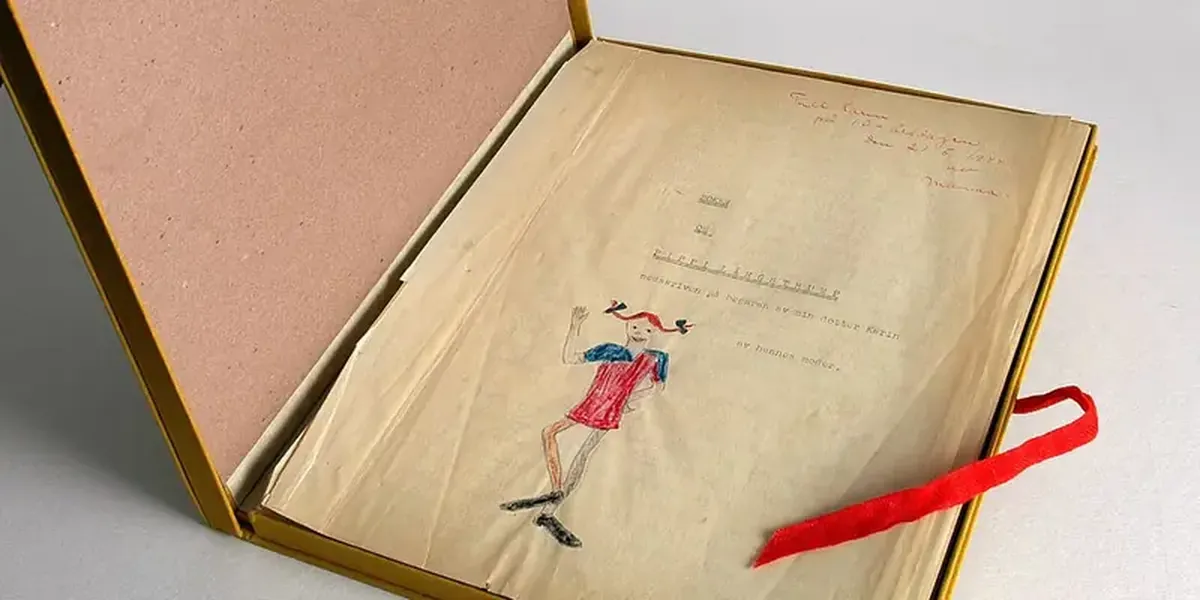
Manuscript of the book about Pippi Longstocking
Pippi Longstocking changed children’s literature. The image of a nine-year-old orphaned troublemaker who lives with a monkey and a horse without parental constraints — fulfilling a child’s dream of total freedom — stood in stark contrast to the era’s ideal of a virtuous girl. That absence of moralizing and scolding is what drew children, even as it provoked protests from parents. Lindgren was among the first to challenge the tradition of depicting a small hero as a lesser being in need of constant guidance; she looked at life through a child’s eyes and followed the logic of a child’s motives.
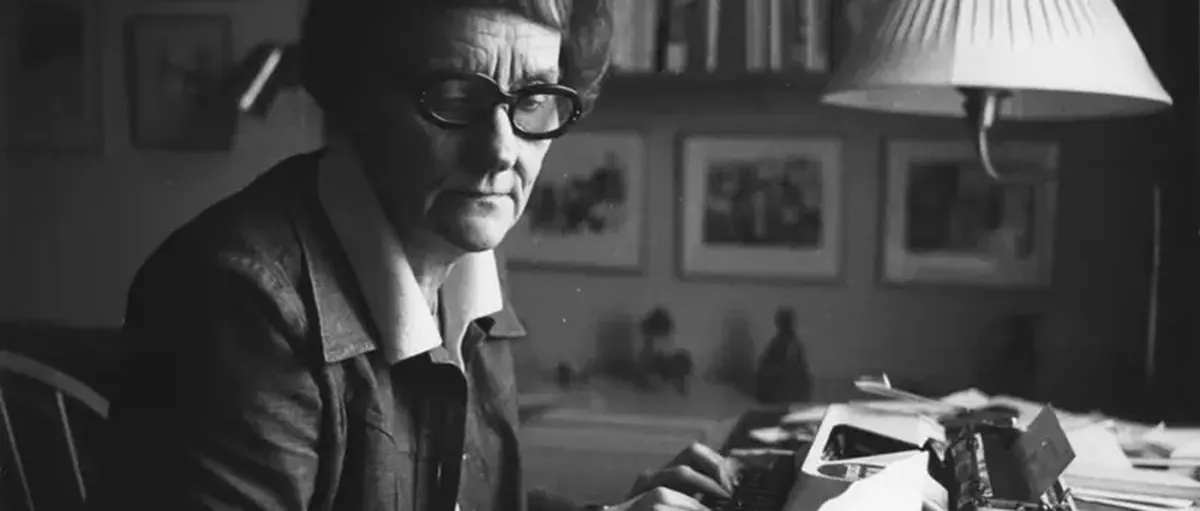
The writer at work
The popularity of her books among children led Lindgren to an editorial position: she stayed at the publisher that printed her controversial work until retirement, releasing more than eighty of her own titles there. Meanwhile, some of Astrid’s stories faced censorship abroad: in France the Pippi trilogy and a book about domestic violence appeared in edited versions, and in the U.S. the stories about the mischievous Carlson were banned in 17 states as harmful to children’s upbringing and subversive to adult authority.
Shadows of the Past
Over her career Lindgren became a millionaire; her income came from book sales and publishing rights, theatrical adaptations, public appearances, and record sales. Since 1941 she kept the same five-room apartment in Stockholm — the address, Vulkanusgatan 12, even appears in her fairy tales. At the same time, some details of her wartime life only came to light after the publication of her 1940s diaries: Lindgren prepared analyses for the Swedish intelligence service. Her diaries include statements in which she expressed a wish for a German victory, writing that she considered “the Russians” a greater threat to Sweden. She wrote that she wanted the Germans to “squeeze the Soviets” and even expressed sympathy for German soldiers at Stalingrad. At the same time, Astrid condemned Nazi crimes in 1943.
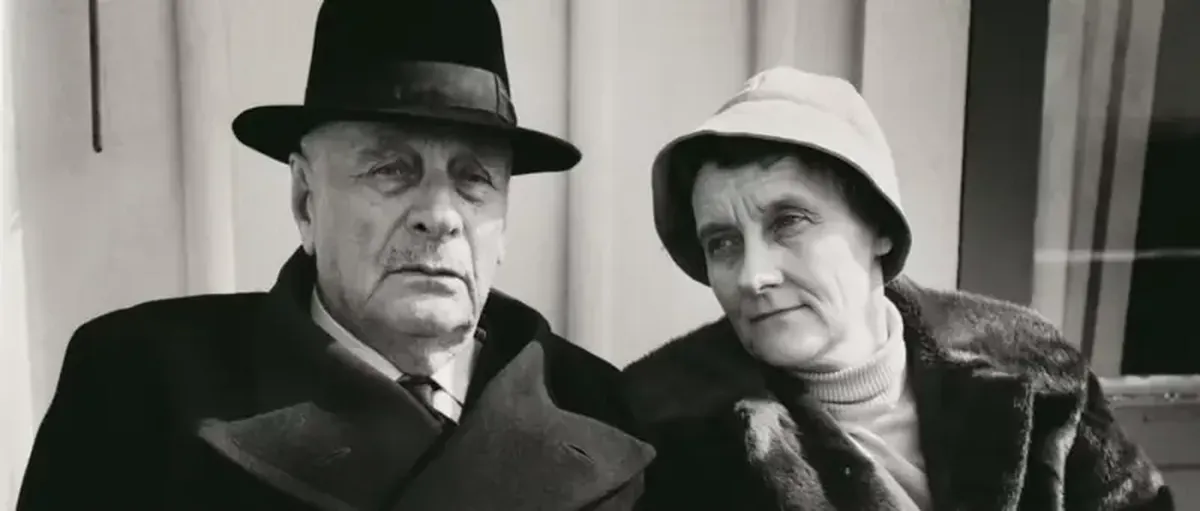
Astrid with her husband, 1960s
Correcting Society
The storyteller herself never joined the National Socialists, according to her daughter, although she had voted for them in her youth. After the war she joined the Social Democratic Party and remained loyal to it for the rest of her life, embracing its humanistic ideals. Her confidence in that political force did not stop her from using fairy-tale language to protest government fiscal policy after she discovered a 102% income tax withholding in her accounts. Lindgren’s pacifist and humanitarian beliefs centered on preventing violence, promoting peaceful coexistence, and ensuring a dignified life for all living beings. Thanks to Lindgren’s advocacy, Sweden outlawed corporal punishment of children and passed stronger animal protection laws.
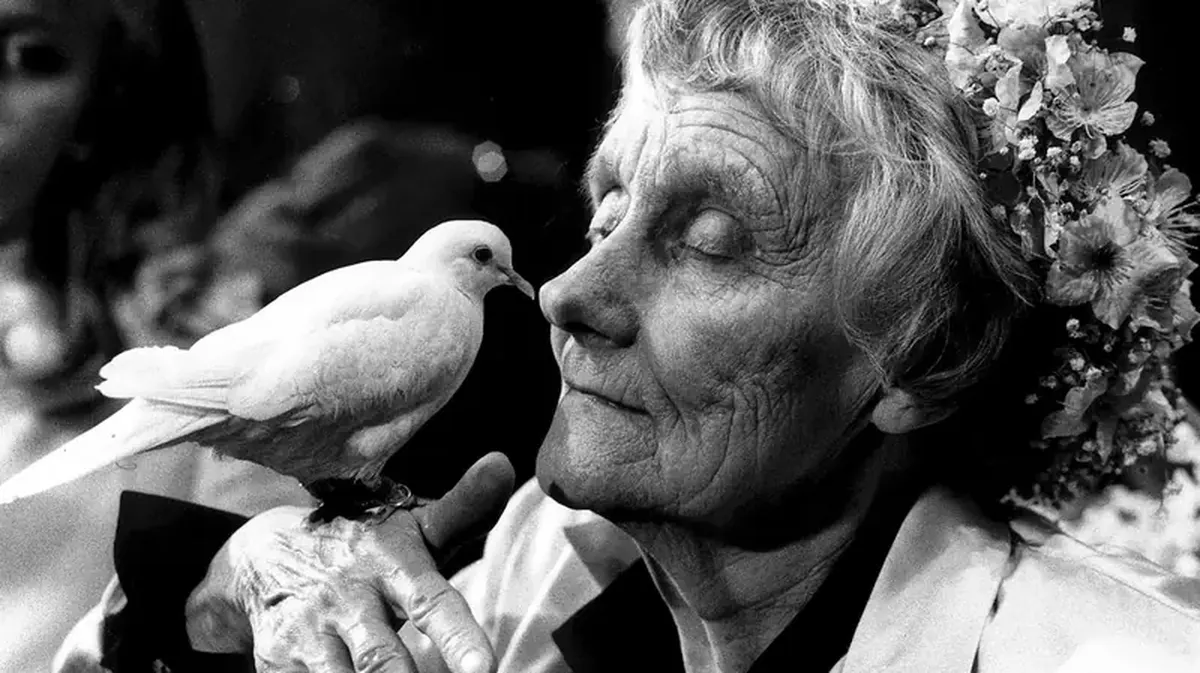
“Sometimes I Am Happy”
“Sometimes I feel happy, sometimes I don’t,” Lindgren said of herself. “But I am happy when I write.” After her husband’s death she found joy in “the happiness of being alone,” when she could “focus on herself” and “arrange her life as she wished.” Astrid resolutely avoided men and women who threatened her precious freedom. Her long friendship with the Berlin writer Louise Hartung was especially trying: Hartung had a partner at home but repeatedly tried to persuade Lindgren to become physically intimate. With her overflowing energy, Hartung overwhelmed the reserved Astrid, who had to summon considerable strength to explain her refusal. Astrid also found many visits and meetings with fans exhausting. “I am tired of Astrid Lindgren,” she would say, shaking her head at her family’s advice to refuse more often: “The most time-consuming thing is to say ‘no’.”
