
 Carlos Solis
48

Megalonyx was enormous compared to the sloths we know today, measuring 8 to 10 feet long and weighing around 2,200 pounds. Unlike its tree-climbing relatives, it was a ground-dwelling sloth, as reported by IFLScience.
Fossils of M. jeffersonii are considered a paleontological rarity. Earlier this year, researchers unexpectedly discovered the skull of another such creature. In addition to this lesser-known Ice Age representative, the new series will showcase others, including woolly mammoths, saber-toothed cats, dwarf relatives of elephants, and carnivorous kangaroos. Each of the 12 episodes will explore how life on Earth adapted to survive during the ice ages.
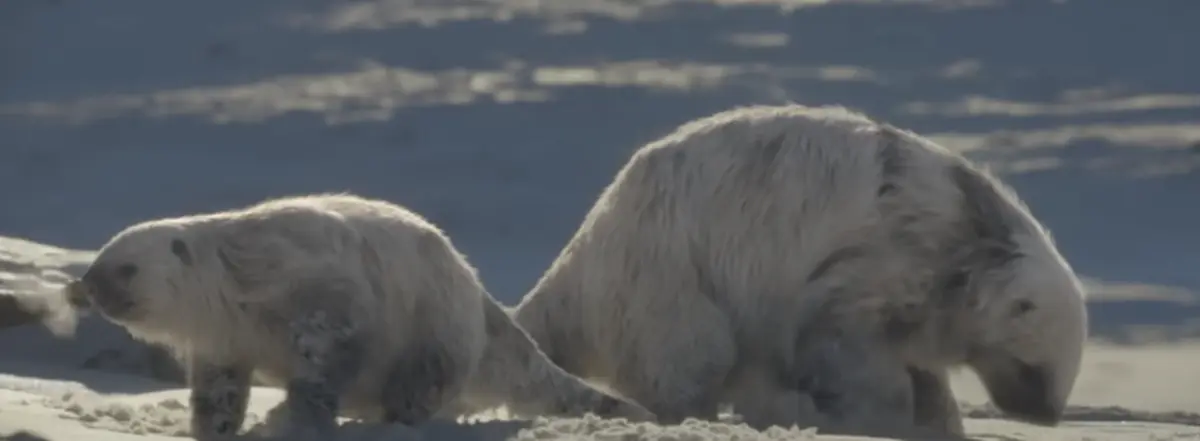
The series is produced by Jon Favreau and Mike Gunton, with production handled by the BBC Studios Natural History Unit. The film is narrated by Tom Hiddleston, and the original soundtrack is by Bleeding Fingers Music, which is known for inventing new instruments to give the music an exciting, prehistoric sound.
This late-Pleistocene giant adapted to life in extreme cold. Known as Jefferson’s sloth (Megalonyx jeffersonii), it was named after Thomas Jefferson, the third President of the United States and a versatile scientist. As a paleontologist, Jefferson was the first to present the remains of the snow sloth to the scientific community in 1797.
Today, researchers have re-examined and described these creatures and recreated what they might have looked like. Now, the Megalonyx jeffersonii sloths that roamed North America about 13,000 years ago will be featured in the film “Prehistoric Planet: Ice Age.” The series, which premieres on Apple TV on November 26, follows a trio of these animals as they journey through snowy landscapes.
Megalonyx was enormous compared to the sloths we know today, measuring 8 to 10 feet long and weighing around 2,200 pounds. Unlike its tree-climbing relatives, it was a ground-dwelling sloth, as reported by IFLScience.
Fossils of M. jeffersonii are considered a paleontological rarity. Earlier this year, researchers unexpectedly discovered the skull of another such creature. In addition to this lesser-known Ice Age representative, the new series will showcase others, including woolly mammoths, saber-toothed cats, dwarf relatives of elephants, and carnivorous kangaroos. Each of the 12 episodes will explore how life on Earth adapted to survive during the ice ages.
The series is produced by Jon Favreau and Mike Gunton, with production handled by the BBC Studios Natural History Unit. The film is narrated by Tom Hiddleston, and the original soundtrack is by Bleeding Fingers Music, which is known for inventing new instruments to give the music an exciting, prehistoric sound.
