
 Gaby
Gaby
Flaxseed oil, a friend to the brain, skin, circulatory system, and digestive tract, is widely considered one of the most beneficial plant oils available. So, what are its advantages?
Unique Composition
Flaxseed oil is a rich source of polyunsaturated fatty acids, especially omega-3 and omega-6, which nutritionists favor over saturated fats. When it comes to omega-3 content, flaxseed oil is unrivaled among plant oils: just one tablespoon a day can meet an adult’s daily omega-3 requirement. In this regard, flaxseed oil surpasses even fish oil, which is known for its high concentration of polyunsaturated fatty acids, by about tenfold.
More than half of flaxseed oil’s composition (about 50% to 60%) is alpha-linolenic acid (omega-3), while olive oil, for example, contains only about 1%. Linoleic acid (omega-6) makes up roughly 15% to 30% of flaxseed oil, about one-fifth is the monounsaturated oleic acid (omega-9), and roughly one-tenth consists of saturated fatty acids (stearic and palmitic). This plant-based alternative to fish oil not only excels in fatty acid content but also contains organic acids derived from plants and fruits that may enhance its health effects.

The biologically active components in flaxseed oil include vitamins, flavonoids, and antioxidants: tocopherols (vitamin E), choline (sometimes called vitamin B4), folic acid (vitamin B9), phylloquinone (vitamin K), and phytohormones called lignans, which have estrogen-like effects. Valuable minerals found in flaxseed oil include zinc, phosphorus, and calcium. This unique superfood is a good option for people with fish allergies and for vegans who don’t get animal-derived fats.
How to Use Flaxseed Oil
In cooking, flaxseed oil pairs well with new potatoes (boiled), tomatoes, cucumbers, and fresh or fermented cabbage. Use it to dress salads, cereals, and vegetable side dishes, either on its own or combined with other plant oils, dressings, and sauces. One of the best combinations is with protein-rich dairy products—cheese, yogurt, sour cream, or kefir—because fat helps with calcium absorption from dairy.
Oxidized flaxseed oil poses a health risk. Because it can form harmful compounds when heated, do not use flaxseed oil for frying: heating converts its fatty acids into trans fats and carcinogenic substances. Given its high caloric content (898 kcal/100 g), limit consumption to one or two tablespoons a day (one tablespoon contains about 110 kcal) or take two capsules daily during a three-week course; otherwise, weight gain may occur.
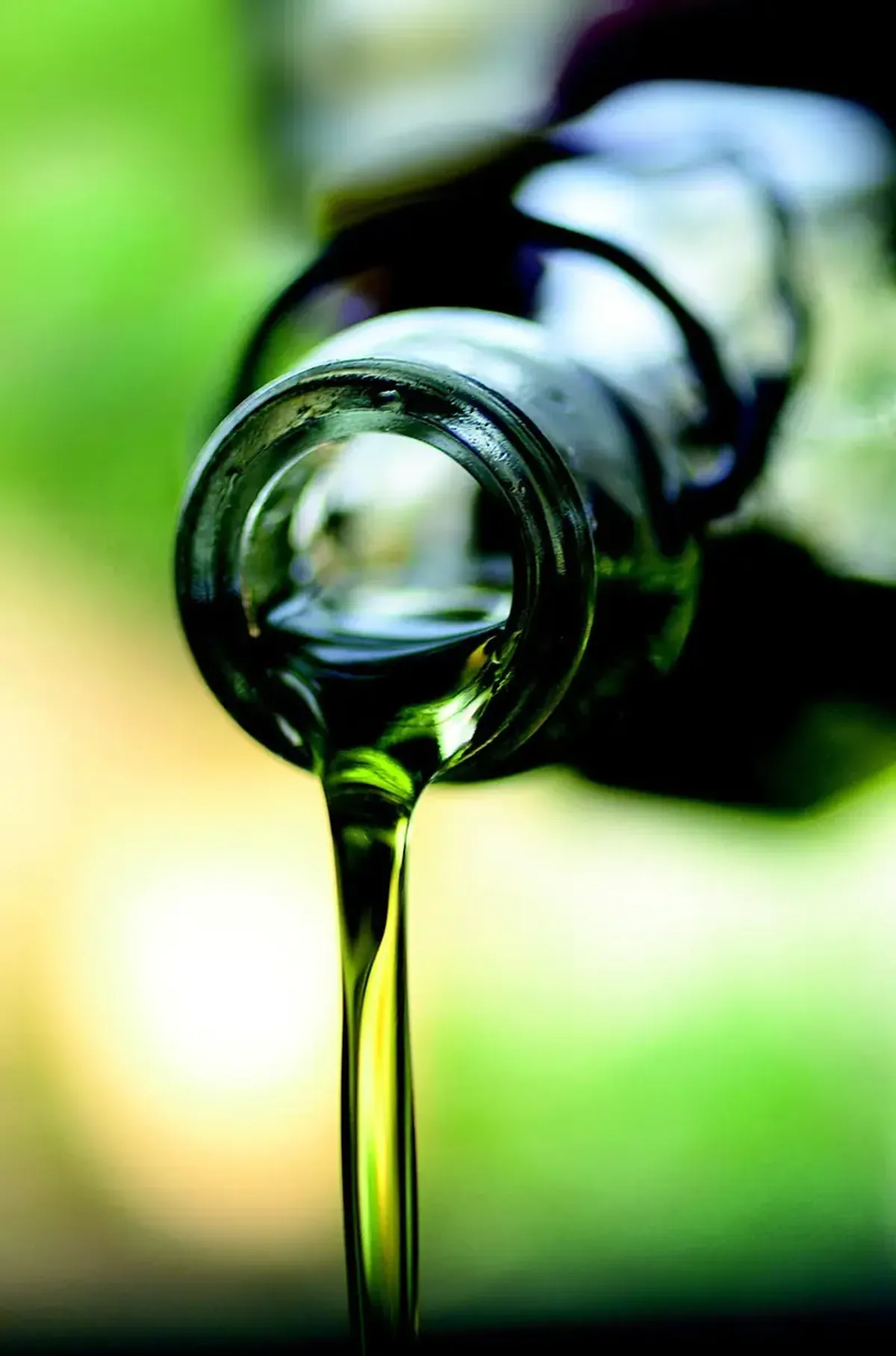
When consumed in moderation, flaxseed oil can gently cleanse the intestines, activate fat metabolism, help eliminate toxins, and support weight loss. For weight loss, take one tablespoon of flaxseed oil twice a day, 20 minutes before meals (after two to three months of use, take a similar break). However, taking flaxseed oil on an empty stomach in the morning can cause nausea, vomiting, or diarrhea in some people. Start treatment with flaxseed oil for gastrointestinal diseases during remission.
Benefits and Risks
Flaxseed oil is used therapeutically for prevention and treatment of dementia, multiple sclerosis, and various cognitive and mental disorders; it is sometimes prescribed to help relieve symptoms of depression and schizophrenia. The oil also helps strengthen the immune system and can play a role in preventing and treating cardiovascular, skin, and cancer-related conditions. Indications for flaxseed oil use include inflammatory conditions, rheumatism, asthma, type II diabetes, gastritis, and diseases of the urinary tract, kidneys, and liver.
With regular consumption, flaxseed oil can improve vision, normalize blood pressure, increase vascular elasticity, and lower cholesterol levels, which may reduce the likelihood of stroke by nearly 40%. Flaxseed oil is also beneficial for skin, hair, and nails when applied externally. Rubbing a little flaxseed oil on eyelashes and eyebrows can strengthen them and promote growth. Regularly massaging flaxseed oil into nail plates and cuticles helps prevent nail brittleness. A hair balm containing flaxseed oil can help combat hair loss and may slow balding.
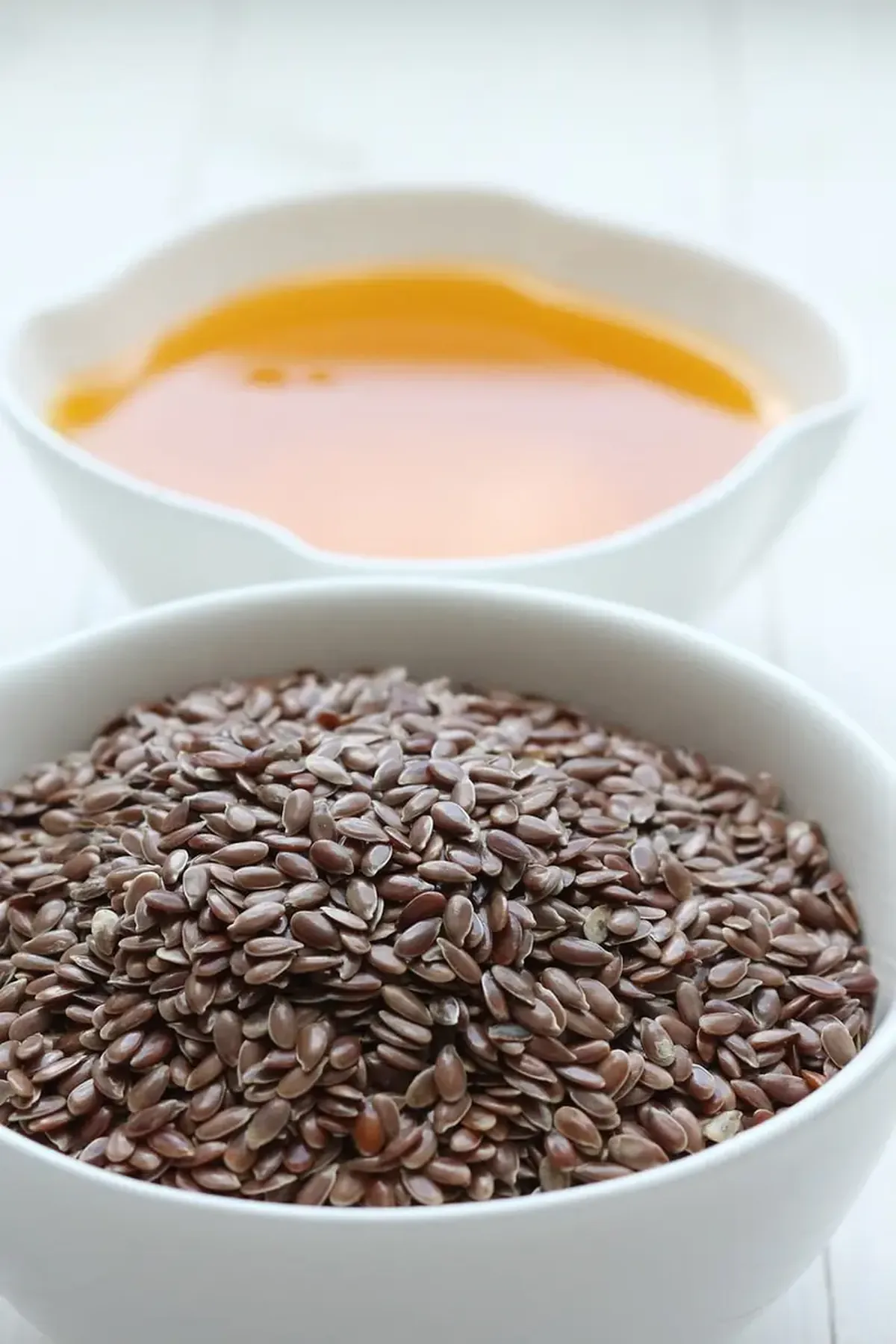
Contraindications for flaxseed oil use include acute gastrointestinal diseases (such as stomach ulcers and cholecystitis), impaired blood clotting, and upcoming surgical procedures (because flaxseed oil thins the blood and increases bleeding risk). Monitor consumption in children with a pediatrician. Avoid flaxseed oil in the second and third trimesters of pregnancy due to a possible risk of miscarriage. Stop using flaxseed oil if you experience allergic reactions such as tachycardia, bronchospasm, cough, sneezing, runny nose, headache, rash, hives, or nausea; these symptoms usually appear within the first few minutes after consumption.
Benefits of Flaxseed Oil for Women
Besides using its fat-burning properties for weight loss, women may want to include fresh flaxseed oil in their diet after age 40, when the body’s production of female hormones declines. Flaxseed oil can help regulate hormonal balance, support skin rejuvenation, and improve reproductive function.
Lignans in flaxseed oil have a molecular structure similar to female sex hormones. When steroid hormone levels are low, lignans can stimulate hormone production by activating the appropriate receptors; when estrogen levels are high, lignans can reduce receptor activation by competing for those receptors. Rather than disrupting hormones, flaxseed oil tends to stabilize them. This simple, low-risk approach can help manage hot flashes, irritability, and fatigue associated with menopause.
Flaxseed oil can also benefit women during pregnancy when used cautiously (avoid in early pregnancy): it may improve vascular elasticity and help prevent varicose veins caused by pressure on the legs. Apply flaxseed oil externally to help prevent stretch marks on the breasts and abdomen. Use it to treat cracked nipples during breastfeeding and to care for rough skin on elbows and heels. Flaxseed oil helps heal and regenerate skin, softens and soothes irritation or inflammation, brightens the skin, reduces dryness and excess oiliness, and can smooth the appearance of wrinkles.

Benefits of Flaxseed Oil for Men and Children
Flaxseed oil can aid athletic recovery, since muscles experience oxidative stress after strength training. Taking flaxseed oil after a workout can help muscles recover and strengthen more quickly. The antioxidant alpha-lipoic acid in the oil can alleviate muscle tension after intense machine workouts. Men may also benefit from flaxseed oil for prostate health and to support sexual function.
Flaxseed oil can help balance male hormones and may support serotonin production, the so-called “happiness hormone.” It can also help lower high blood pressure and protect the heart and liver. For children, flaxseed oil can strengthen the immune system and increase resistance to colds. It can stimulate digestion and help normalize sleep. By supporting thyroid function, flaxseed oil may also help regulate the menstrual cycle in girls during puberty.
The fatty acids in flaxseed oil support bone strength in children and can enhance cognitive abilities in students, improving memory and attention. This product can play a role in a child’s mental and physical development. Add flaxseed oil to a child’s diet starting around the second or third year of life. If there are no food allergies, give three-year-olds half a teaspoon a day with cold food (not on an empty stomach). Children aged 3–7 can have one teaspoon, and those over 7 can have one tablespoon, divided into 2–3 servings throughout the day.

Selection, Storage, and Compatibility
The properties of flaxseed oil depend on how it is stored, so choose a product in a small dark glass bottle. Freshly pressed flaxseed oil with a faint scent of straw or fish is considered best. The ideal oil has a golden color (a slight sediment is acceptable) and a sweet, nutty flavor. If you can’t find freshly pressed oil, opt for unrefined cold-pressed oil from the store or flaxseed oil capsules from a pharmacy.
Because beneficial unsaturated fatty acids degrade quickly when exposed to air and light, store flaxseed oil in a sealed, dark place. If flaxseed oil sits in the sun for half an hour, it can become unsuitable for consumption. The shelf life after opening is only about two weeks, so choose smaller containers (250 ml) when possible. A sign of spoiled oil is a bitter taste; to test, swish a drop in your mouth and spit it out without swallowing.

Flaxseed oil can interact with diabetes medications, blood pressure drugs, antiplatelet agents, and anticoagulants because it can affect blood sugar, lower blood pressure, thin the blood, and reduce clotting ability. Since flaxseed oil can interfere with the absorption of oral medications, allow at least a one-hour interval between taking flaxseed oil and other medications. People have learned about these nuances through trial and error since the 16th century.
Healthy Recipes
If you don’t want to get creative, here are some ready-made ideas.
Potatoes with Cheese and Flaxseed Oil
Ingredients: cheese – 200 g, potatoes in their skins or new potatoes – 4–5 pieces, green onions – a bunch, flaxseed oil – 2 tablespoons, dill – a bunch, salt and pepper – to taste.
On a plate, arrange each component separately: cheese, chopped green onions, and boiled potatoes. Drizzle all the ingredients with flaxseed oil (nothing should be hot) and sprinkle with chopped dill.

Brined Cheese with Herbs in Flaxseed Oil Dressing
Ingredients: brined cheese – 350 g, yogurt or kefir – 200 g, flaxseed oil – 2 tablespoons, green onions – a bunch (or replace with parsley or dill), salt and pepper – to taste.
Place the brined cheese in a bowl and mix it with yogurt or kefir without fillers. Add flaxseed oil. Season with salt and pepper. Sprinkle with chopped herbs and mix.

“Anti-Cholesterol” Cocktail with Flaxseed Oil
Ingredients: orange juice – 250 ml, milk – 250 ml, carrot juice – 100 ml, banana pulp – 100 ml, honey – 1 teaspoon, flaxseed oil – 3 tablespoons.
Blend all the ingredients in a blender, pour into glasses, and drink through a straw. A glass of this drink a day is a good way to help cleanse blood vessels.
As you can see, it’s simple—and healthy. Give it a try!
