
 Gaby
Gaby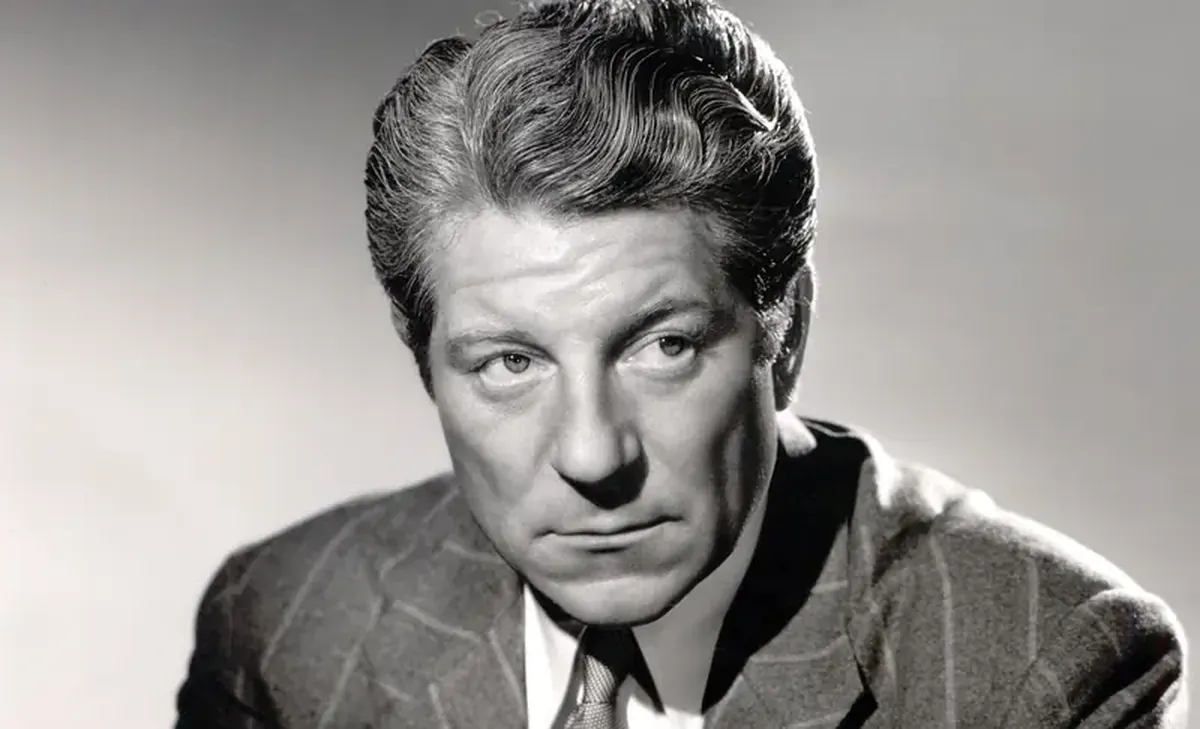
Why did a decorated French film star struggle to build a career in Hollywood — and why did he insist on having no grave?
From Gangster to Commissioner
A Knight of the Legion of Honor and the recipient of two military awards, Jean Gabin was compelling in roles that ranged from worker and peasant to soldier and deserter, bourgeois and striker, gangster and detective. After starring in hundreds of films, the king of the screen infused his characters with a distinctly masculine charisma. His unpretentious, confident, and dependable screen persona grew out of his life story—early independence after his mother’s death, a passion for boxing and soccer, hard work in factories, military service, and acts of bravery. If that seems hard to believe coming from someone who performed in Parisian cabarets, watch his work: Gabin came from an artistic family, sang chansons with dramatic flair, and performed in musicals as well as straight drama.
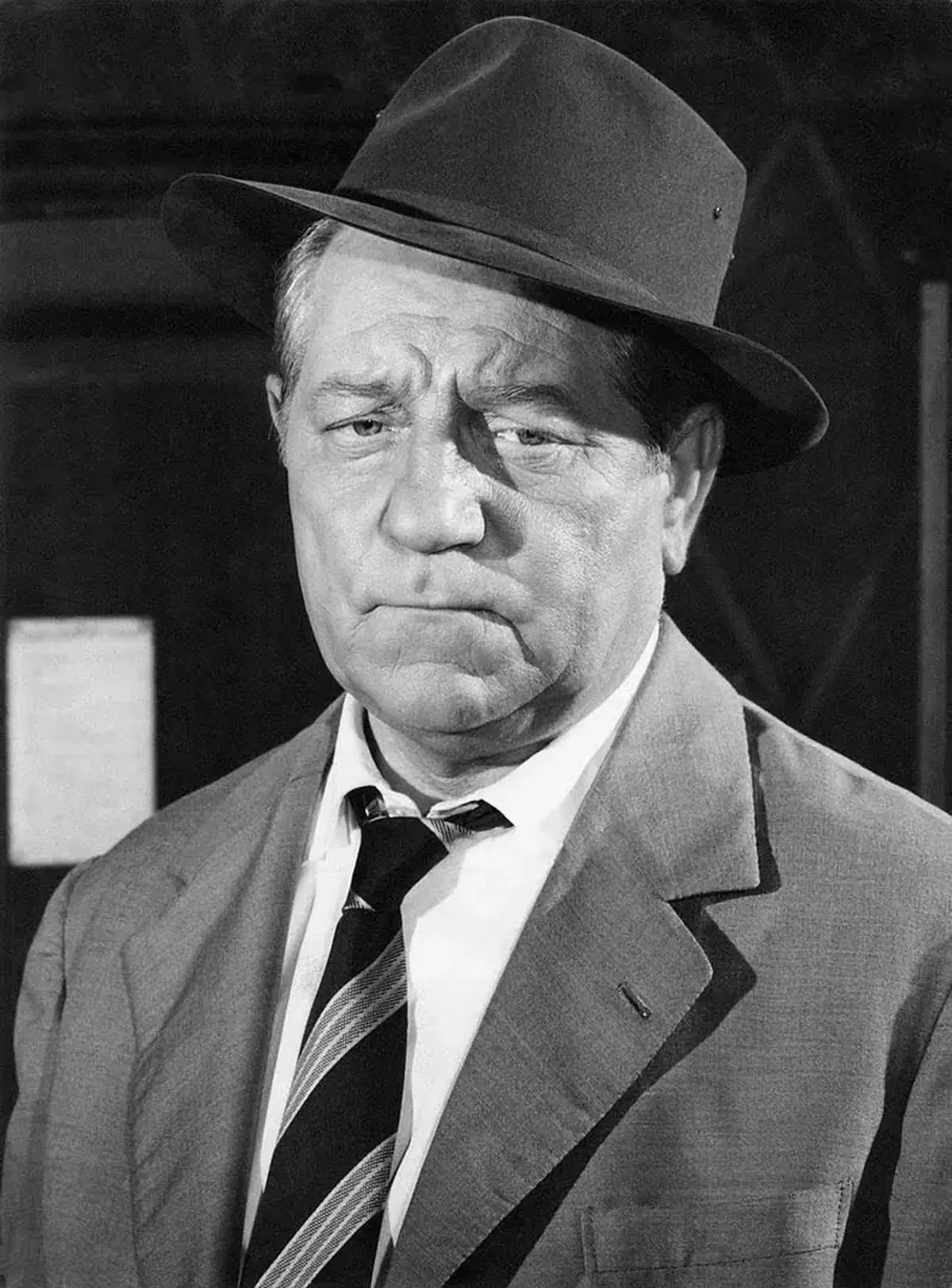
Jean Gabin as Maigret in the film “Inspector Maigret,” 1958.
The Path to Self
Jean Gabin was born Jean Alexis Moncorger on May 17, 1904, in Paris’s 9th arrondissement, a neighborhood known for its historic architecture, theaters, galleries, and restaurants. He was the seventh child of cabaret performers Ferdinand Moncorger and Hélène Petit and spent his childhood with his aunt Madeleine near the capital. After his mother’s early death, the rebellious teenager left school at 14, quarreled with his father, and set out to earn his own living.
For four years he worked as a laborer—in road construction, at a steel mill, and in an auto shop. That background made it easy for later audiences to accept him as a man of the people and earned him the reputation of a “proletarian of acting.” He wasn’t afraid of working-class jobs and once hoped to become a machinist, but at 19 he followed his father’s path into show business.
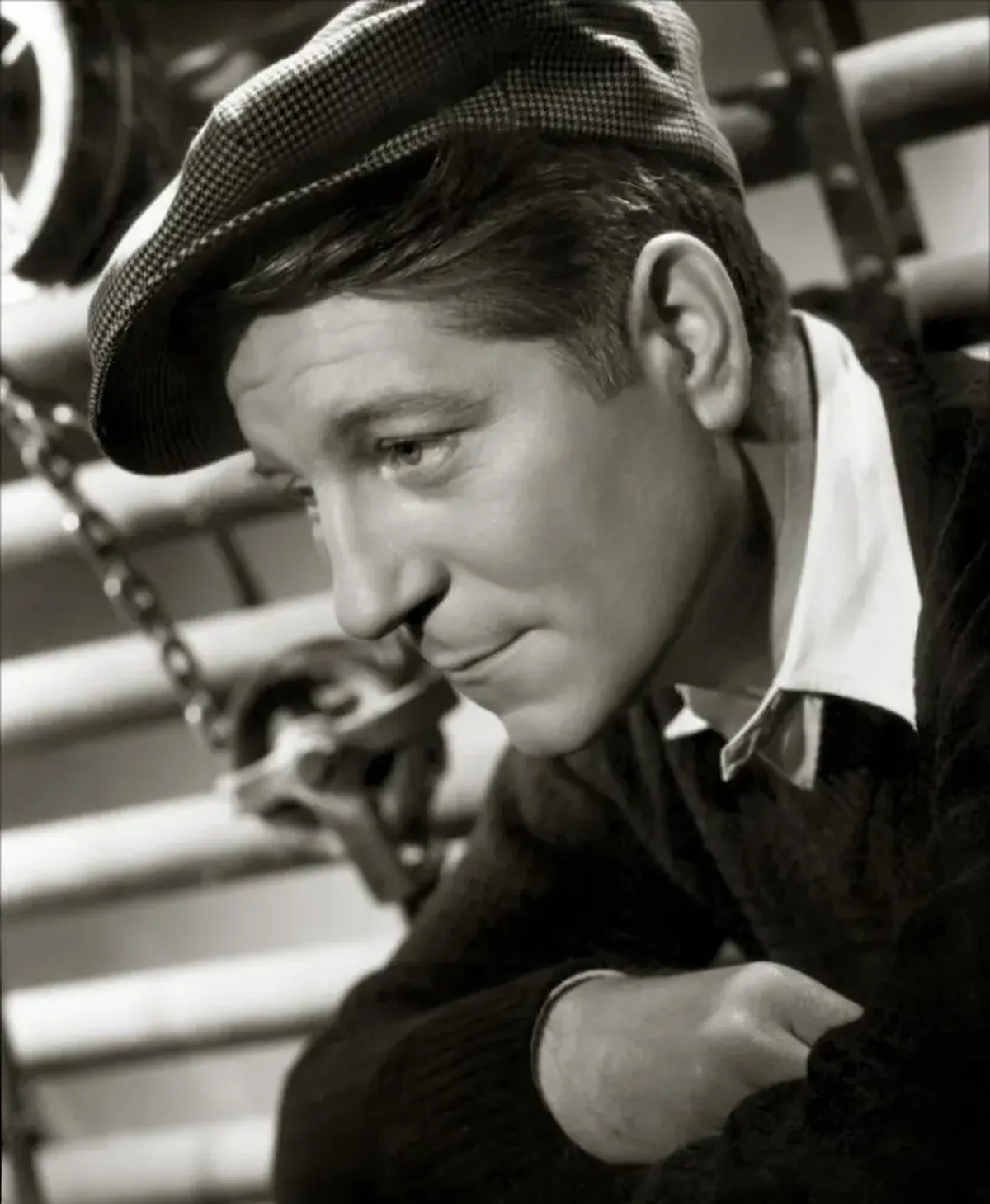
Jean Gabin in his youth.
A Sought-After Artist
His first big break came at the Folies Bergère, a popular Parisian cabaret and variety show. Military service interrupted that work, but after returning he adopted the stage name Jean Gabin and went back to Paris music halls. Lacking formal musical training, the self-taught performer modeled his singing on the popular chansonnier Maurice Chevalier.
He did well—his troupe even took him on tour to South America, and after the tour he was hired at the Moulin Rouge. At the “Red Mill,” the young performer was given bigger roles. In 1928 he appeared in two silent films, and starting in 1930 he began getting parts in sound films; over the next four years he played about fifteen roles.
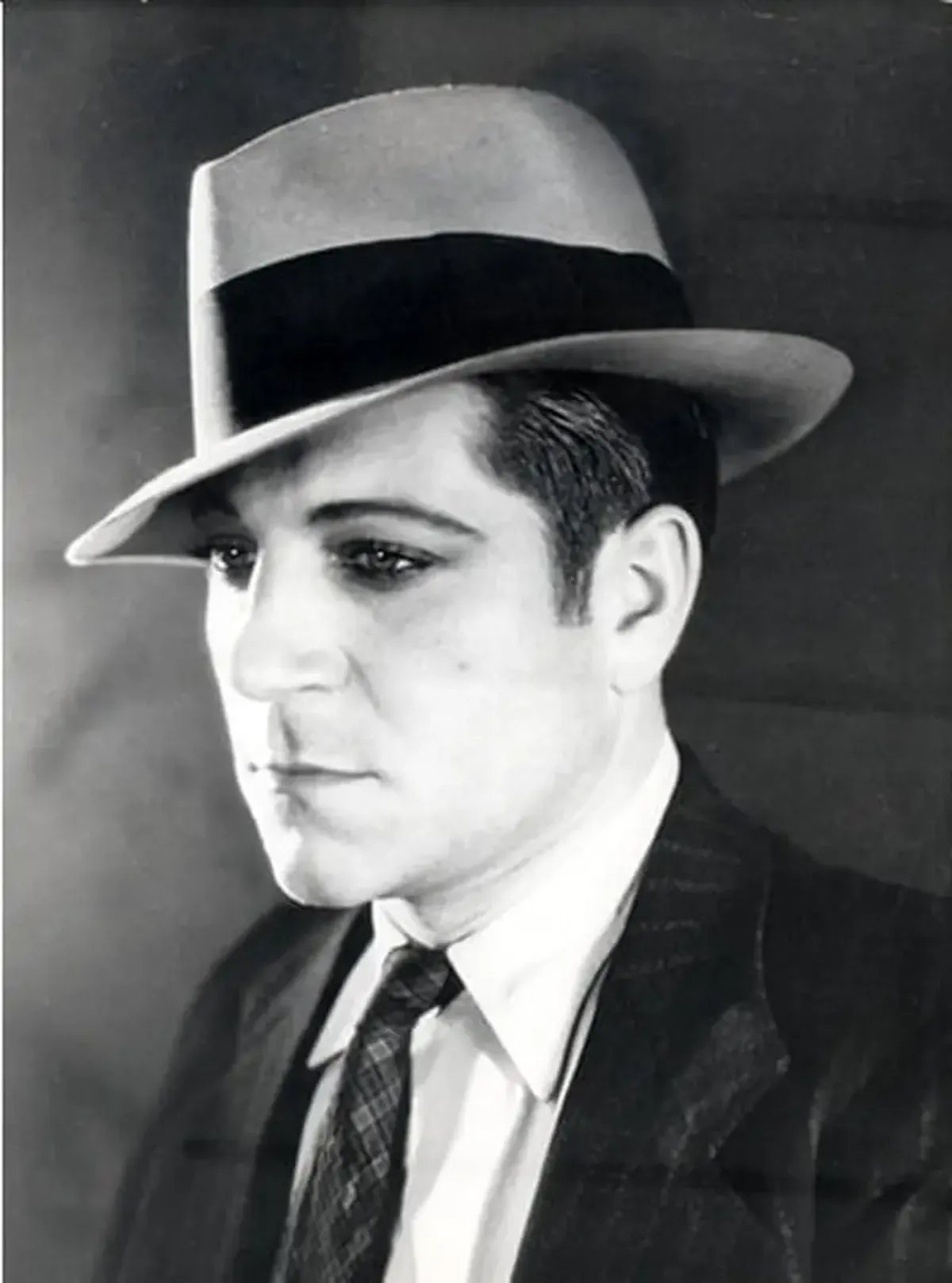
Jean Gabin in silent cinema.
The Taste of Recognition
Even in supporting parts, Gabin made audiences take notice, and directors quickly spotted his potential. Recognition came fast. In 1934 his name became known through Julien Duvivier, who would direct some of his best films. The film “Maria Chapdelaine,” which featured Gabin, received the Grand Prix of French Cinema, a prize established that year by Louis Lumière.
Gabin became a star of French cinema in 1936 after playing a romantic lead in Duvivier’s La Bandera (sometimes translated as The Foreign Legion Battalion). His next two films—Duvivier’s Pepe le Moko and Jean Renoir’s anti-war drama La Grande Illusion (1937)—brought him worldwide fame and were among that year’s biggest hits alongside Walt Disney’s Snow White.
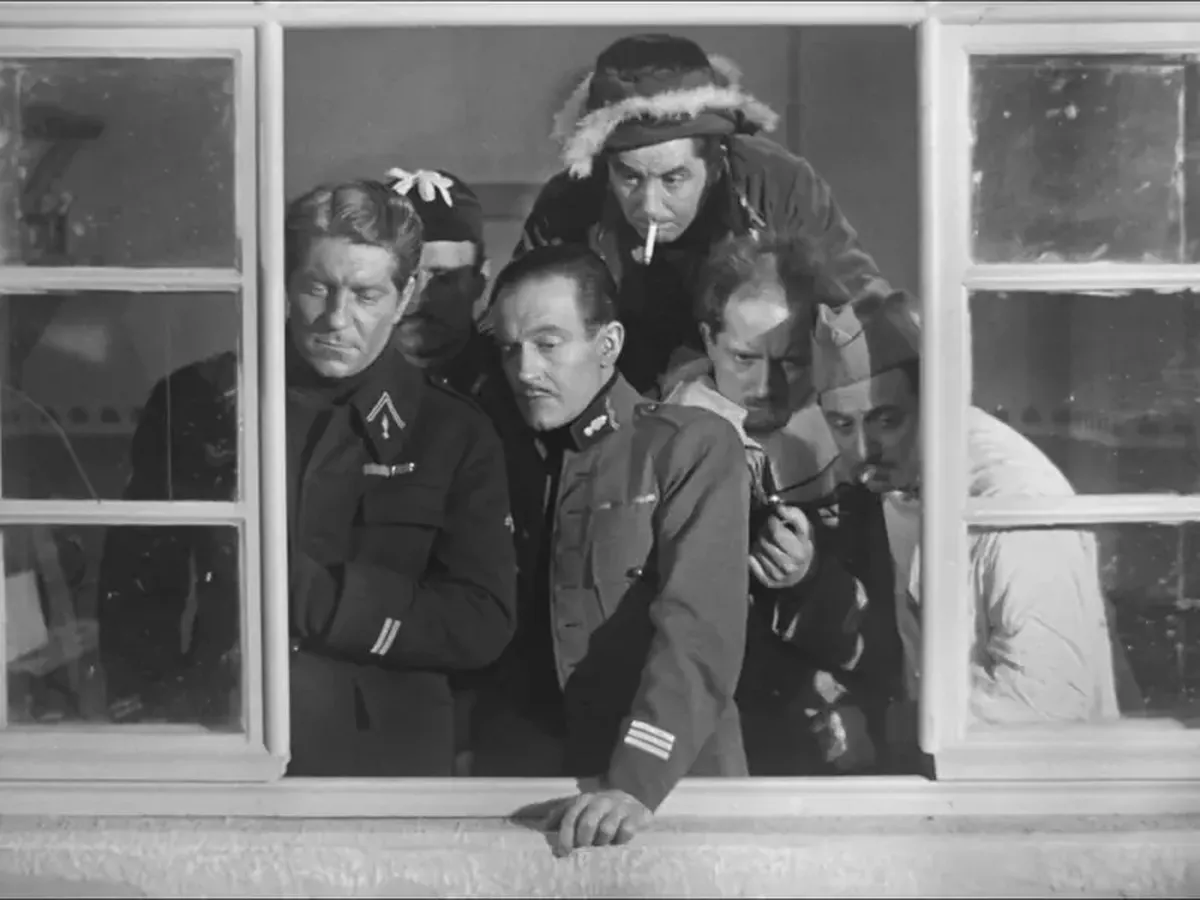
“La Grande Illusion,” 1937.
A Loud Romance
Hollywood producers noticed his popularity, but Gabin initially turned down offers to work in America. He also refused an invitation to make propaganda films for the German studio UFA during the occupation of France. After World War II broke out and Europe plunged into crisis, Gabin followed directors Julien Duvivier and Jean Renoir and moved to the United States. While in America he divorced Suzanne Marguerite Jean Mochen, the mother of his two children, in 1939; this was his second divorce. His first marriage, at 21, had been to actress Gaby Basset, from whom he had divorced five years later.
To help him settle in Hollywood, Marlene Dietrich—who became an American citizen in 1939 and was a high-profile anti-fascist émigré—tried to charm him. A passionate romance followed, but it did little to advance his film career.
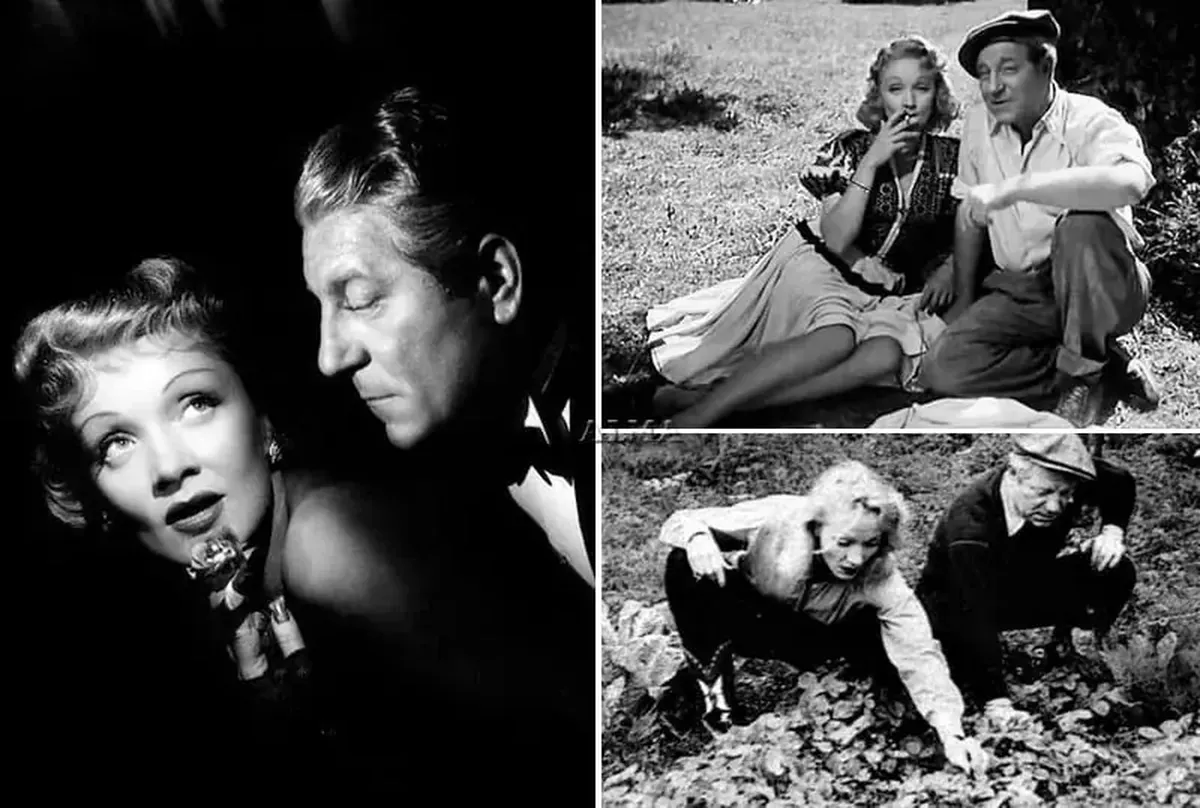
Jean Gabin and Marlene Dietrich.
A Strong Character
Gabin’s Hollywood films failed to connect with American audiences. His stubborn streak and habit of interfering in the filmmaking process made it hard for him to succeed in the U.S. RKO Pictures canceled his contract after he insisted on being cast alongside his girlfriend. Studio executives removed him from a production and shelved the project entirely, leaving both Dietrich and Gabin without the roles they’d hoped for. A similar conflict in 1946 cost him the lead in Marcel Carné’s “The Gate of Night.”
Despite those clashes with studio heads, colleagues remembered Gabin as friendly toward creative collaborators and technical staff. Over his long career he worked with many prominent stars, including Fernandel and Louis de Funès, Alain Delon and Jean-Paul Belmondo, Michèle Morgan and Brigitte Bardot, Simone Signoret and Anna Giraud, Sophia Loren, and Marlene Dietrich.
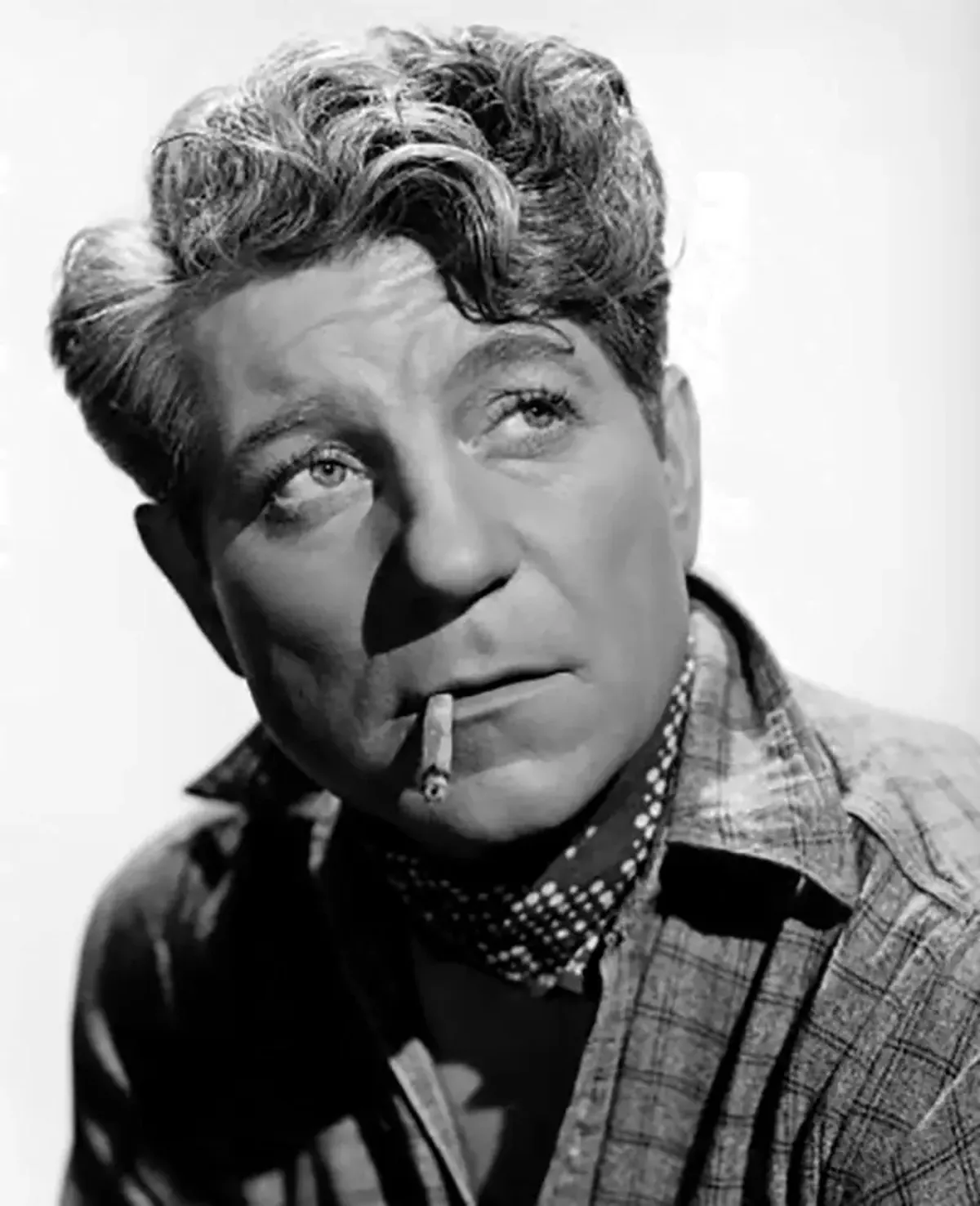
Jean Gabin, 1940.
War and Peace
In 1943 Gabin left the U.S. to join the Free French forces under General Charles de Gaulle. He volunteered with the navy, escorted Allied convoys, and took part in operations in North Africa and in the liberation of Paris. He was awarded a medal and a cross for his combat service. Reporters captured a memorable reunion with Marlene Dietrich in Paris, where the native son arrived in a tank. The war had aged him—by 40 his hair had turned gray.
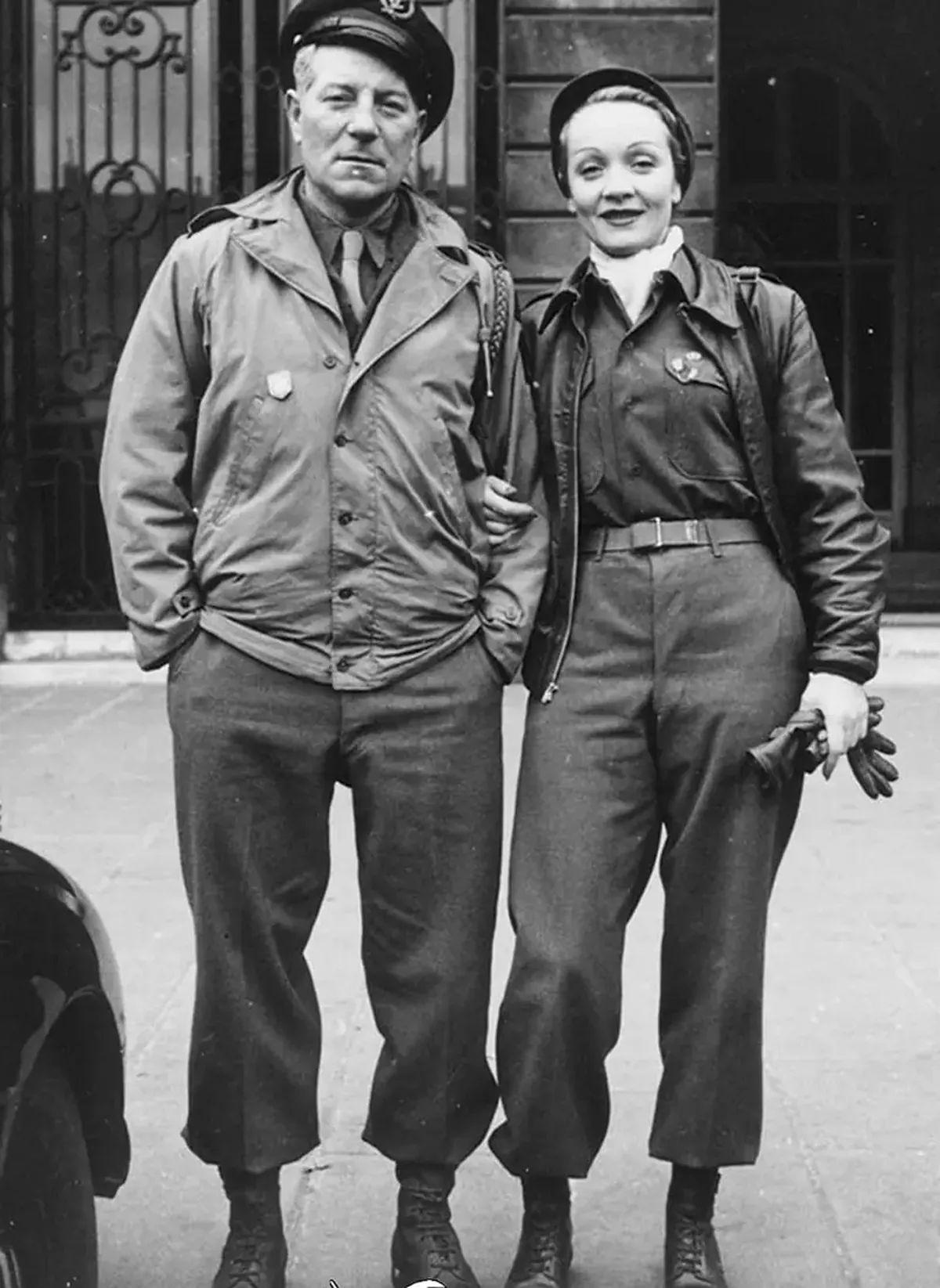
Jean Gabin in the military and Marlene Dietrich.
His postwar career hit a slump. After managing to star in a film with Dietrich, Gabin faced disappointment: “Martin Roumagnac” flopped at the box office, and their romantic relationship ended. As the French paper L’Humanité would write decades later, “born of war, their union could not withstand peace.”
“The Merchant” and “Rascals”
In 1947 he returned to the theater, but that production lost money. Even his lead role in René Clément’s “The Walls of Malapaga,” which won the 1949 Oscar for Best Foreign Film, failed to draw big audiences, and none of his films over the next five years were box-office successes. Gabin increasingly intervened during scriptwriting, argued with directors over acting and staging, demanded intense scenes for dramatic effect, enjoyed praise, and labeled disloyal critics “rascals.” He began to call himself a “failure” and a “merchant.”
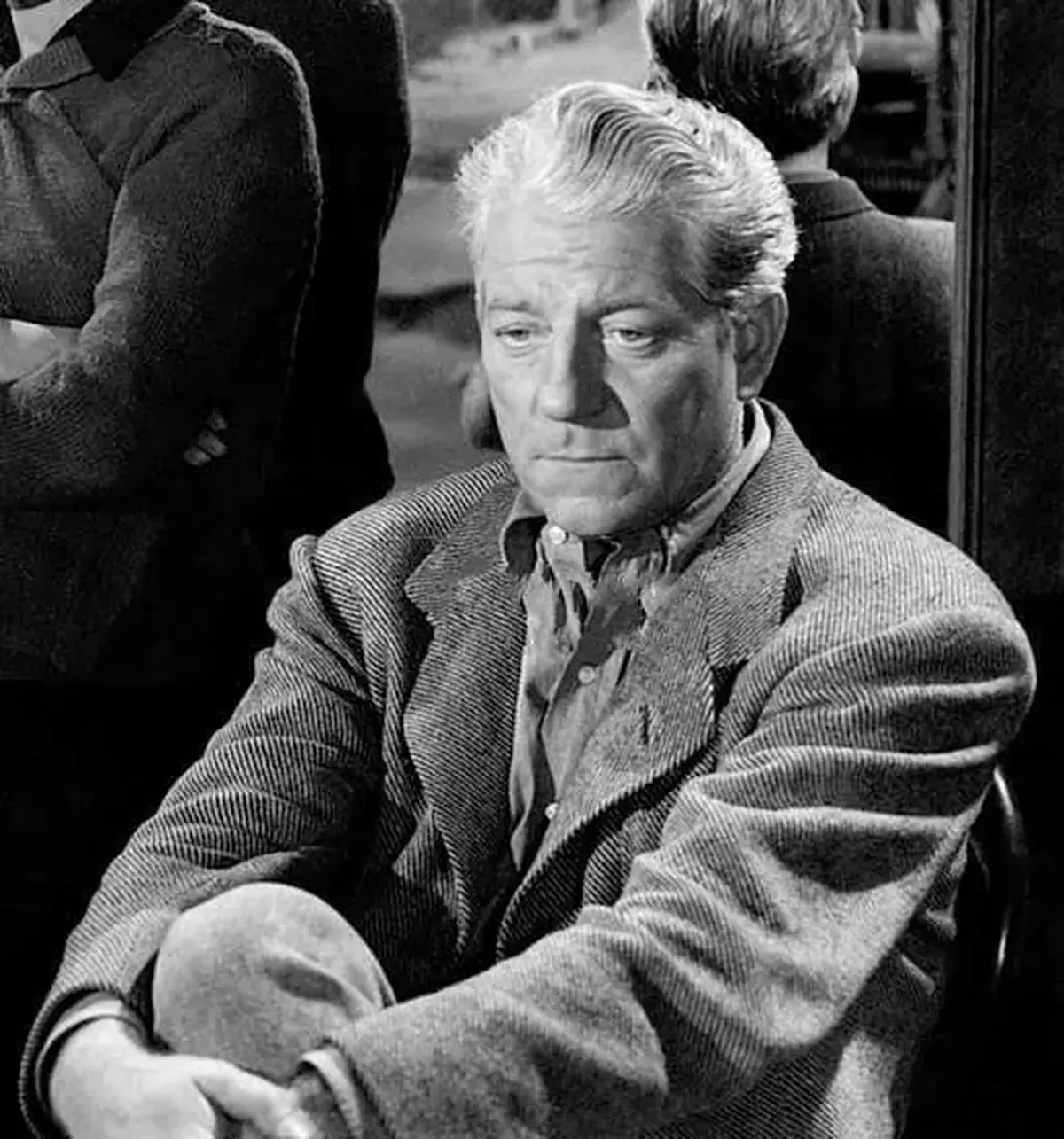
Lead role in René Clément’s film “The Walls of Malapaga.”
Just as he considered leaving the profession, his career revived in 1954 with Jacques Becker’s gangster film “Don’t Touch the Loot,” which pleased critics and audiences. For the next two decades he starred in nearly fifty films, many produced by his own company, Gafer Films, a partnership between Gabin and his friend Fernandel.
Fortune in Love?
Gabin’s last partner was model Dominique Fournier. They married soon after meeting in 1949; he was 45 and she was 31. The marriage surprised Marlene Dietrich, who long thought of herself as his greatest love and later considered herself his widow. She looked for him for years, but by then his feelings had cooled. Gabin avoided contact with Dietrich for two years, and the marriage to Dominique endured.
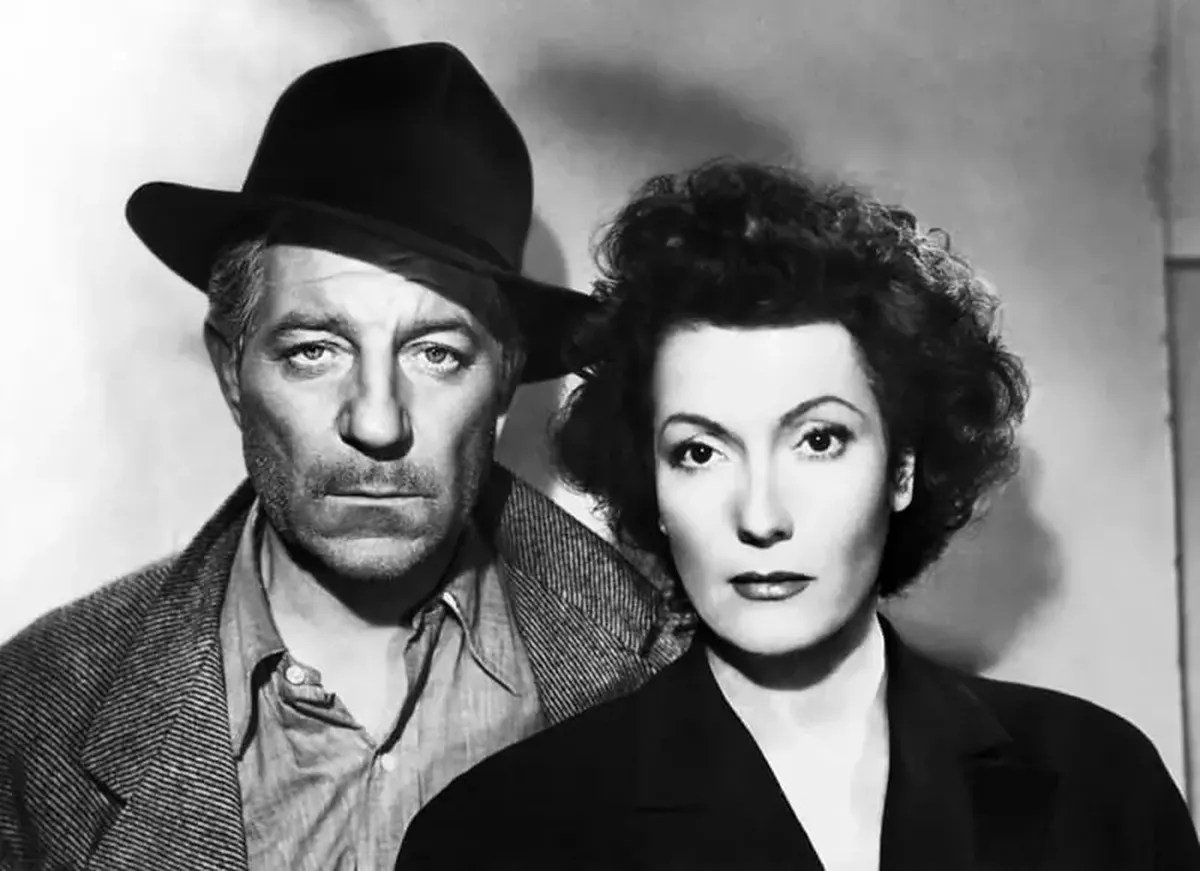
Jean Gabin and Dominique Fournier.
With Dominique he found the peace he had been seeking. They lived together in harmony for 27 years and had three children: daughters Florence and Valérie and son Matthias. Director Florence Moncorger-Gabin called him “not the worst of fathers” in her memoirs, though he opposed his daughter’s choice to follow his profession and even snubbed her wedding—asking his friend Lino Ventura to attend in his place.
Stars Never Fade
In 1972 Gabin left the film industry and settled with his family on a farm. The estate housed more than twenty horses and even included a private racetrack. In the last four years of his life he tended vines and joked to his doctors that he would switch from wine to milk only if cows started chewing grapes. Jean Gabin died of a heart attack at 72 on November 15, 1976. He arranged not to be buried in a grave so his resting place would not be disturbed; with military honors his ashes were scattered at sea from a naval ship. Five years later Louis de Funès created the Jean Gabin Prize to support aspiring French film actors.
