
 Gaby
Gaby
The winter holidays have a hidden side: a serious ecological nightmare.
As Christmas approaches, children around the world write letters to Santa asking for their most wanted toys. Parents, stepping in for Santa, often find it hard to resist their children’s wishes. Giving toys is a common tradition, and many adults believe almost every gift helps a child develop skills like focus and social interaction, especially through play.
However, psychologists advise parents not to buy everything in sight and to approach their children’s desires with a discerning eye. They also recommend involving little ones in activities that teach environmental literacy.
A New Toy Is Another Blow to the Environment
Unfortunately, 80 percent of all toys ultimately end up in landfills, incinerators, or the ocean. To generate one million dollars in revenue, the toy industry uses 40 tons of plastic. It’s frightening to imagine the carbon footprint that creates.
Toys can support a child’s development, but they can also harm health and ecosystems by contributing to pollution.
Advertisers know that children are a crucial link in the consumer decision-making chain. It’s no surprise that marketing encourages kids to persuade their parents to buy toys, prompting parents to spend more.
 Children are particularly vulnerable to such advertising tactics. In turn, parents rush to fulfill their wishes, especially during major holidays like Christmas and New Year. The result of these interactions is a relentless flow of plastic that continues to pollute the environment.
According to psychologist Michelle Cowley-Cunningham of Dublin City University, explaining the consequences of the climate crisis to children can help slow some of the ecological damage. Cowley-Cunningham says parents should teach children to reject aggressive and harmful advertising, as reported by ScienceAlert.
Cowley-Cunningham said Irish psychologists recently published a review based on research and UN-led global consultations involving 16,000 children. The review shows that children of various ages not only understand the threats posed by climate change but are also eager to suggest ways to tackle it.
Children and teenagers often express concern about Earth’s ecological state. That anxiety can be tied to worries about their family’s safety, the future of coming generations, and the fate of species and ecosystems.
Based on the review, Cowley-Cunningham compiled recommendations for parents ahead of Christmas. They focus on how to explain to children that every new toy can harm the environment while also involving kids in solving ecological problems.
First and Foremost — Family Conversations, Not Gift Lists
Talk with your child about how harmful or beneficial a toy is for the environment. Talk about brands that have switched to plastics made from ethanol derived from sugarcane.
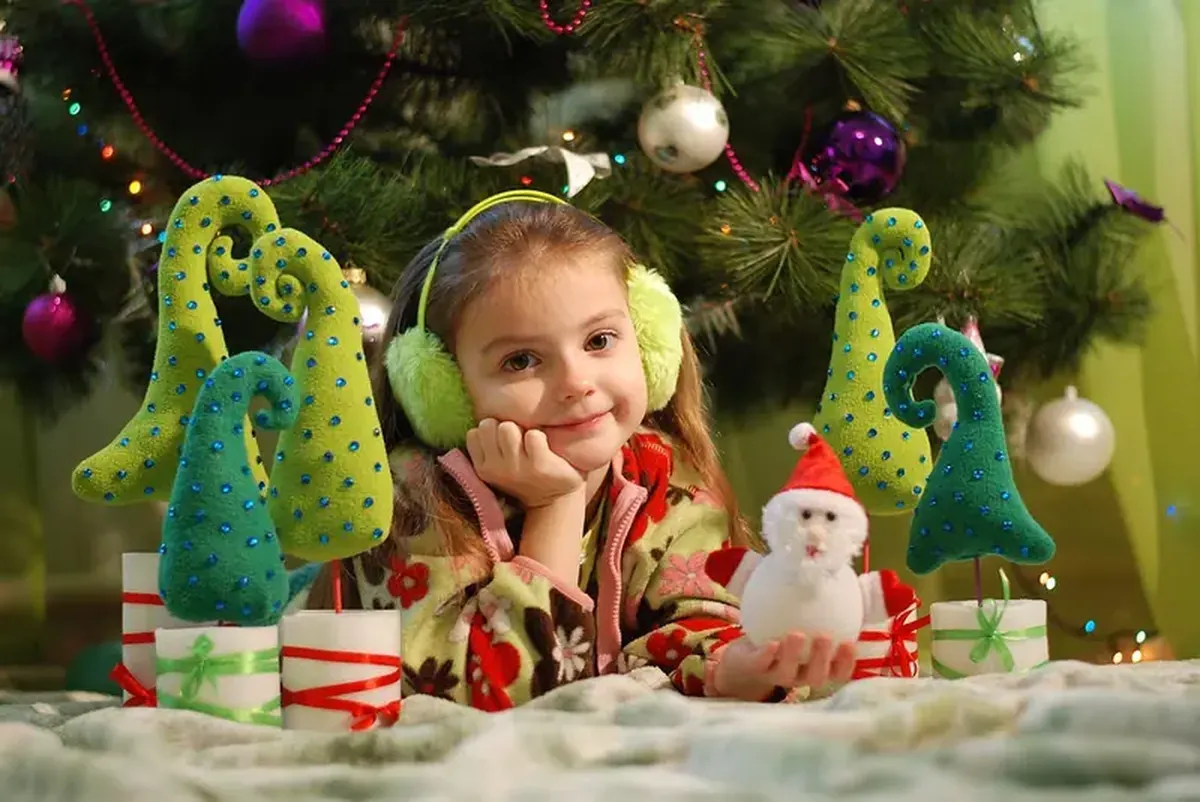 Search for eco-labels on toys with your children and find out which brands prioritize environmentally safer products.
Ask your child about the educational value of a toy and what benefits they would get from it.
Look for Toy Banks in Your Area
Toy collection points, regularly replenished by local residents, can turn into a fun family activity. Family members, friends, and neighbors often get involved in creating and maintaining these banks. Typically, these banks receive toys that can still be useful to someone else.
The days leading up to Christmas are a perfect time to encourage your children to gather used toys from home and donate them to toy banks or charities.
 However, don’t force your child to throw everything away indiscriminately. Toys with personal stories can remind them of warm family moments for a long time.
***
Cowley-Cunningham says adults should create discussion platforms for children—at home, in school, and in community spaces—where they can talk about how product marketing pulls young people into choices that harm the environment.
Through safe, non-confrontational conversations, children can learn to make more mature decisions, including the choices about the toys they wish to receive for Christmas.
