
 Gaby
Gaby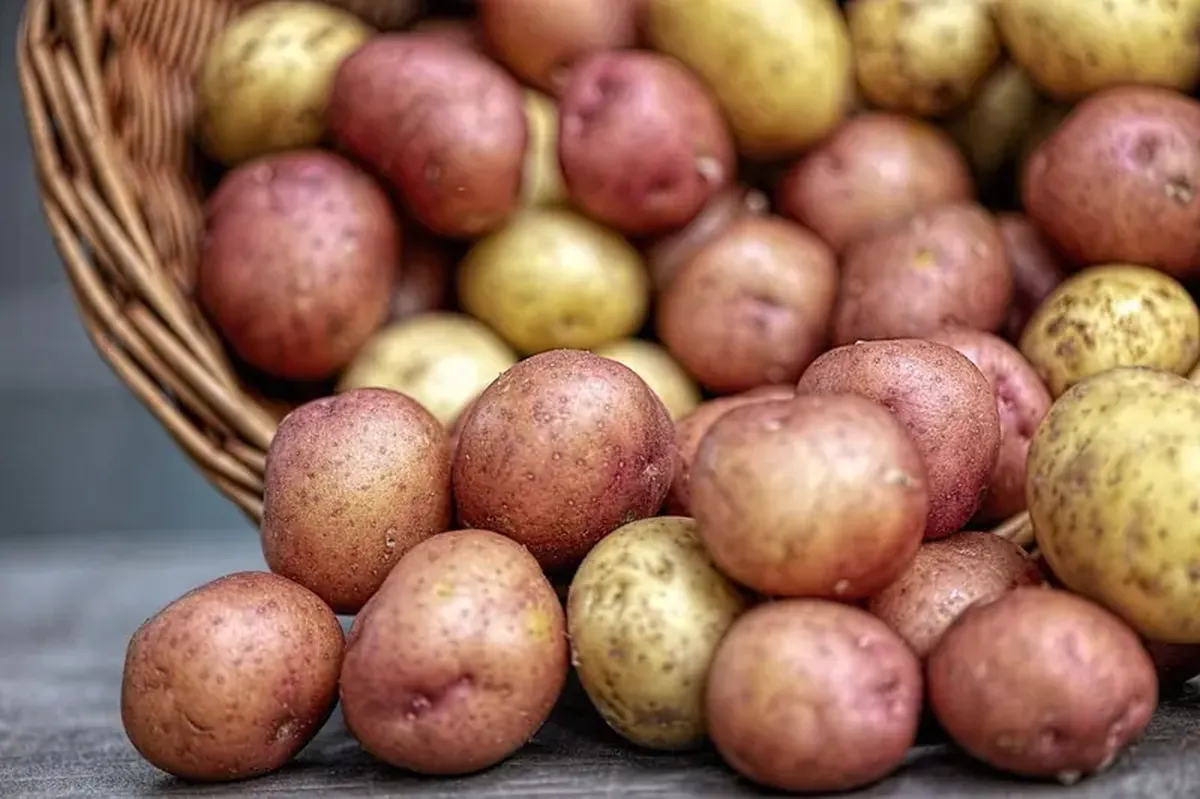
Researchers have helped restore the potato’s reputation after years of being sidelined by restrictive diets. Even when you’re trying to lose weight, you don’t necessarily have to cut this carbohydrate out. You can enjoy potatoes every day without wrecking your figure — the trick is keeping portion sizes in check, which is easier said than done with something this tasty.
Bread vs. Potatoes: The Good and the Bad
You can live without bread and flour, but it’s no surprise the starchy tuber is often called “the second bread” in folk wisdom.
We shouldn’t write off such a useful food — it’s an easy mood booster and a quick source of energy when you’re running low. As a rich source of carbohydrates, potatoes deliver energy and satisfaction. But because they can make you feel full quickly, people worry about their calorie content and possible harm. Is that worry justified?
Dietitians point out a common drawback of both bread and potatoes: both can cause a sharp spike in blood sugar after eating. Still, potatoes have an edge over bread because they are lower in fat and sugar and higher in micronutrients and vitamins.
Nutritionists say different potato varieties contain similar amounts of nutrients, though darker-fleshed types pack extra antioxidants that boost their health benefits.
Potatoes contain about twice as much potassium as bread (potassium helps lower blood pressure, supports blood vessel health, and reduces fluid retention) and are also rich in phosphorus, sulfur, chloride, and vitamins A and C, which are largely absent from bread. Potatoes have roughly three times more vitamin C than avocados and more selenium than many seeds and nuts. They are also a strong source of fiber. The one product that can rival potatoes for health benefits is whole-grain bread.

Surprising Facts About Potatoes
Experts at FoodsForAntiAging (USA) say the choice between potatoes and whole-grain bread should depend on your dietary goals. If the aim is to build lean muscle mass and boost physical performance, whole-grain bread is the better pick. But if the goal is weight loss, vegetables like potatoes are the smarter choice.
How you prepare potatoes matters. Raw potatoes may not be toxic, but they’re not really palatable. Boiled and baked potatoes are the healthiest options. Dietitians say fried potatoes are the worst for health: frying converts much of the starch into fast-digesting carbohydrates. French fries have a glycemic index of about 97 (glucose = 100), and that value rises depending on the cooking method.
Chefs recommend cooking potatoes with the skin on: if boiling, do so in their jackets and use as little water as possible. That helps prevent the loss of water-soluble vitamins B and C, which leach out of peeled potatoes. Since many beneficial compounds sit just under the skin, peel potatoes less often and slice more thinly when you do.

Culinary and Health Hacks
Remember that potato starch molecules swell as they absorb moisture. The tuber’s mass and texture change: potatoes soften and increase in size. So drain the water immediately after boiling to stop the potatoes from continuing to absorb moisture.
Don’t start potatoes in cold water; putting them straight into boiling water reduces vitamin C loss during cooking. This is especially true for young potatoes. Whether peeled or not, add them to boiling water and cook over moderate heat for about 15 minutes. If the heat is too high, the potatoes can crack on the outside while staying undercooked inside. Add salt at the end of cooking, not at the beginning.
To prevent boiled potatoes from darkening, add a bay leaf or a splash of vinegar to the cooking water. A little acid also helps when frying potato pancakes.
Do not cut into green potatoes; discard them. The green parts contain solanine, a toxic compound that can interfere with nutrient absorption and is harmful if it accumulates in the body.
Potato juice has mild antimicrobial properties and can be used for mouth rinsing. For bronchitis, make a compress by filling two plastic bags with mashed potatoes, forming patties, and securing them on the back and chest with a towel or warm scarf. For a sore throat, cut a potato in half, wrap it in a handkerchief, and press the cut side to the throat for about six hours, wrapping the neck with a wool scarf.

Everyday Potato Recipes
This vegetable is so versatile that even with daily consumption it’s easy to avoid repeating meals. Here are some simple recipes.
Potato Towers with Smoked Fish
For 400 g of boiled potatoes – 150 g of cold or hot smoked fish, 2 tablespoons of oil, 1 tablespoon of lemon juice, salt, pepper, and herbs.
Grate the cooked potatoes or mash them with a fork. Whisk together the lemon juice and oil, season with salt and pepper, and mix into the potatoes. Remove the skin and bones from the fish and flake it. Grease small souffle or pudding molds with oil. Place part of the potato mixture in each mold to fill halfway, then add a layer of fish, drizzle with lemon juice, and top with the remaining potato mixture. Chill in the refrigerator for two hours. Serve the towers on a plate, garnished with crumbled feta cheese, olives, and herbs.
Potato and Sauerkraut Patties
For 500 g of potatoes – 400 g of sauerkraut, 1 egg, 1 onion, oil for frying, flour for breading, salt, and pepper to taste.
Peel the potatoes, cut them into cubes, and boil them. Drain excess water. Add the egg and mash the potatoes.
Squeeze and chop the sauerkraut. Peel and finely chop the onion, then sauté it in oil for about five minutes. Add the onion and sauerkraut to the potato mash, season with spices, and mix well.
Form patties from the mixture, coat them in flour, and fry in a heated pan for about two minutes on each side.

Baked Potato Recipe
Potatoes can be baked in ceramic pots, in a skillet with a metal or removable handle, in a baking dish, or on a baking sheet.
Gulbishnik
This dish from Belarusian cuisine is essentially a potato casserole.
For one potato, use one onion, 150 g of 9% cheese, half a cup of sour cream, 1 tablespoon of flour, 50 g of oil, salt, pepper, and herbs.
Peel and boil the potatoes, mash them, and let them cool. Mix the cheese with the sour cream, add the flour, and stir until combined.
Sauté the onion in oil until golden. Combine the potatoes with the cheese mixture, the onion, and the herbs. Season with salt and pepper, mix, and place the mixture in a greased baking dish. Smooth the top and spread sour cream over it. Bake in a preheated oven at 180 ºC for 40 minutes, until golden brown.
Potato Gratin with Leeks
For 1 kg of red potatoes – 200 g of grated hard cheese, 40 g of butter, 1 onion, leeks, 1 cup of chicken broth, and two cups of breadcrumbs.
In a skillet, melt the butter and add the leeks and onion. Sauté the vegetables over low heat until softened.
Lightly grease a large ovenproof dish about 5 cm deep. Layer half of the sliced potatoes on the bottom, then half of the onion mixture and half of the grated cheese. Repeat the layers with the remaining potatoes and onions. Reserve the remaining cheese for the top. Pour the chicken broth over the vegetables, cover the dish with foil, and bake in the oven at 200 ºC for 50 minutes.
Mix the remaining cheese with the breadcrumbs and sprinkle evenly over the gratin. Return the dish to the oven and bake another 10 minutes, until a crust forms.

Royal Potatoes
For 3 potatoes – 500 g of chicken, 160 g of cheese, mayonnaise, and spices.
Cut the chicken fillet into 1 cm-thick slices, lightly pound them, and arrange them in a dish so the meat covers the bottom. Season with salt and pepper.
Slice the potatoes thinly, season with salt and pepper, and layer them over the chicken. Drizzle with mayonnaise and sprinkle with grated cheese. Cover with foil and bake in a preheated oven at 180 ºC. After about an hour, remove the foil so the top can brown.
Spicy Potatoes
For 1 kg of potatoes – 1 tablespoon of oil, 1 teaspoon each of a “5 spice” blend, black pepper, and sea salt.
Preheat a large ovenproof skillet in a 200 °C oven for 10 minutes. Wash the potatoes with their skins on, slice them into flat pieces, and dry them with a towel.
Toss the potatoes in a large bowl with the spices. Spread them on the heated skillet and bake in the oven for 15 minutes. Flip the potatoes and bake another 15 minutes until golden brown.

Potato Pancakes Recipe
The hardest part of making this dish is the grating. To skip that hassle — and the frying — try the oven method. Potato pancakes, known as “deruny,” turn out fluffy because they rise with yeast.
For 1 kg of boiled potatoes, you will need 120 g of wheat flour, 15 g of yeast, 2 eggs, 2 tablespoons of sour cream, salt, pepper, and herbs.
Make mashed potatoes. Dissolve the yeast, add the eggs, pour in the sour cream, and mix in the flour and spices. Mix into a homogeneous batter and form pancakes by flattening portions of dough.
Line a baking sheet with parchment paper, place the pancakes on it, and bake in a preheated oven at 200 °C for about half an hour.
Before serving, drizzle with sour cream and sprinkle with chopped green onions.

Young Potatoes: Recipes
This ingredient needs a bit more care from the cook. If the recipe calls for boiling, don’t rush: because of their delicate texture, young potatoes should be cooked over low heat.
Potatoes with Cheese and Dill
For 100 g of potatoes – 100 g of cheese, 20 g of butter, salt, and dill and parsley.
Peel the new-harvest potatoes, cut them into quarters, and sprinkle with crumbled cheese. Add butter and garnish with dill or parsley. Serve with milk or kefir.
Potato Salad with Peas and Bacon
For 1 kg of young potatoes (peeled) – 4 slices of bacon (cut into cubes), 1 cup of canned green peas, one-third cup total of homemade mayonnaise and unsweetened yogurt, half a cup of mint leaves, and half a bunch of chives.
Fry the bacon and drain on a towel. Boil and cool the potatoes. Blend the mayonnaise, yogurt, and mint until smooth. In a salad bowl, combine the potatoes with peas, drizzle with the dressing, and top with pieces of bacon and chives.
Rustic Potatoes: Recipe
This appetizing dish is served with vegetable or fruit sauces made from tomatoes, peppers, apples, pears, quinces, plums, or cherries.
For 1 kg of rustic potatoes, use 50 ml of vegetable oil, 2 cloves of garlic, 1 teaspoon each of salt, vegetable seasoning, paprika, and black pepper.
There’s no need to peel the potatoes; wash them well and dry. Cut each tuber into four pieces and place them in a bag with the seasonings. Tie it up and shake. Add the oil and shake again. Spread the potatoes on a baking sheet lined with oiled foil. Bake for 20 minutes at 200 °C. At the end, sprinkle the potatoes with minced garlic and leave them in the turned-off oven to finish cooking with residual heat.

Potato Dumplings: Recipe
Homemade dumplings beat store-bought frozen ones. Don’t worry about extra calories: if the filling contains only potatoes and onions, a 100-gram serving has about 150 calories.
The dough is made from three cups of flour, 300 ml of kefir, 1 egg, 1 teaspoon of sugar, a pinch of baking soda, and salt.
The filling consists of 500 g of potatoes, 100 g of onions, 3 tablespoons of oil, black pepper, and salt to taste.
Mix the egg with the kefir. After salting and sweetening, stir in the baking soda and sifted flour. Knead a soft but not sticky dough. Cover with a towel and set aside while preparing the filling. Boil the peeled potatoes. Sauté the onions in oil. Mash the potatoes and mix with the cooked onions. Season with salt and pepper.
Roll out the dough on a table, cut out circles using a glass, place the filling, and pinch the edges. To prevent the dumplings from falling apart during cooking, drop them into boiling salted water and remove them after just a few minutes. Serve with sour cream.
Dishes made with potatoes will give you restaurant-quality flavors if you don’t mind spending a little time in the kitchen.
