
 Carlos Solis
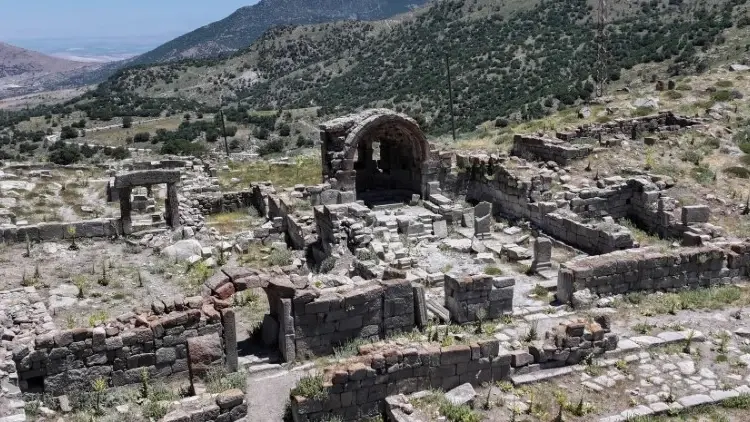 A new wave of archaeological research in central Anatolia is radically changing how we understand one of the region’s most mysterious sacred landscapes. On the volcanic plateau north of Karaman, researchers have uncovered at least 15 previously unknown churches and chapels. These discoveries within the historic Binbir Kilise complex (“Thousand and One Churches”) provide strong evidence that this area was a major Byzantine pilgrimage center.
Major discoveries on Karadag’s slopes
The work was led by Associate Professor Dr. Ilker Mete Mimiroglu of Necmettin Erbakan University. Teams concentrated on the early Christian architecture on the slopes of the Karadag volcano. Arkeonews reported that the results of the second season of surveys were striking: the settlement network here was far denser and more complex than scholars had thought.
“The results of the second season are truly exciting,” Dr. Mimiroglu said, emphasizing the high concentration of religious sites.
A connected sacred landscape
Binbir Kilise is not just a single town or monastery; it’s an extensive system of interconnected settlements in rugged terrain. Small churches and chapels show that religious life in the area was well organized. In addition to places of worship, researchers recorded water cisterns, outdoor devotion areas, inscriptions, and burials. All of this indicates the area was a functioning residential zone capable of supporting a sizable population.
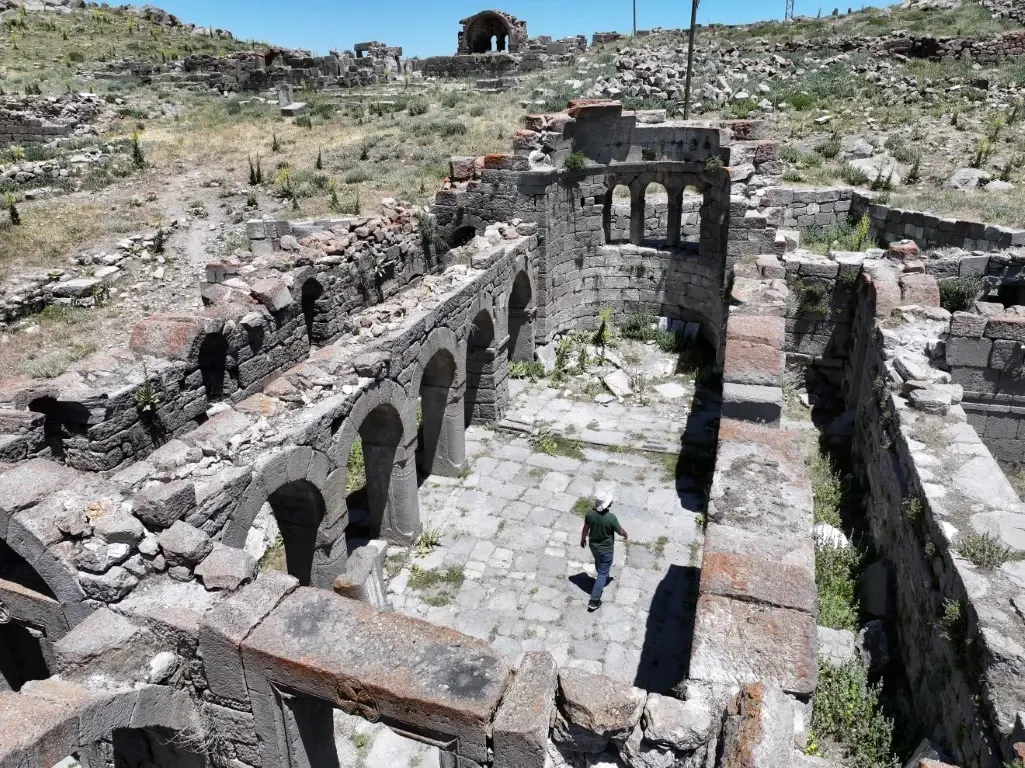
Solitude and communal prayer
Particularly intriguing are the cave cells used by ascetics, which are decorated with carved crosses. These features show that two forms of religious life coexisted at Binbir Kilise: communal services in churches and individual hermit practice, a characteristic of the early Byzantine period.
Why the name isn’t literal
The name Binbir Kilise (“Thousand and One Churches”) is figurative. In Turkish, the term “binbir” often serves to describe an uncountable number. By the late 19th century, travelers and scholars Gertrude Bell and William Mitchell Ramsay had already been struck by the number of structures on these slopes. Modern discoveries only confirm that much of the region’s architectural heritage has remained overlooked by scholars.
A pilgrimage hub and a Seljuk clue
The scale and infrastructure of the complex indicate Binbir Kilise was an important stop on Byzantine pilgrimage routes. Inscriptions now under study by epigraphists may reveal the names of patrons and religious leaders of the time.
An intriguing find was a Seljuk-period coin. That suggests that after Byzantine control waned, life at the site did not end immediately. The region experienced a gradual transformation, preserving its layout even under new cultural and religious conditions.
What’s next for the research
Fieldwork is ongoing. The teams plan to document building layouts in greater detail and to refine the site’s chronology. Each new season adds fresh strokes to the portrait of this dynamic sacred world. While the number “1001” remains symbolic, Binbir Kilise is steadily reclaiming its status as one of the most important spiritual centers of Byzantine Anatolia.
