
 Gaby
Gaby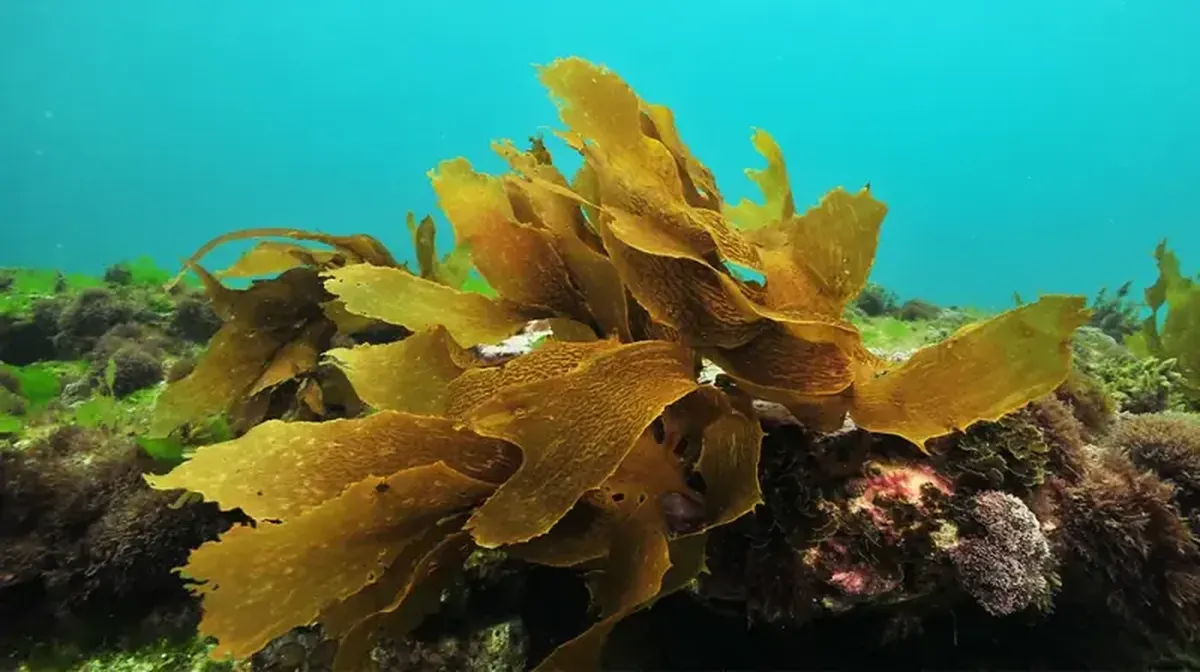
Antioxidants in a seaweed commonly used in Asian soups and salads may protect neurons from free radicals and help prevent Parkinson’s. That’s the conclusion of a team of neurologists at research centers in Osaka.
Parkinson’s disease affects the nervous system and causes tremors, stiffness, and trouble with movement. It happens when dopamine-producing neurons — the brain cells that control movement — begin to die.
Parkinson’s itself isn’t usually fatal, but it can lead to serious complications that shorten lifespan. There is no cure yet.
Fighting Free Radicals
Our bodies make harmful free radicals in response to environmental factors like ultraviolet rays and air pollution. Free radicals are also a normal byproduct of cellular processes.
Antioxidants protect cells from damage caused by free radicals. Our bodies make some antioxidants on their own, but antioxidant-rich foods such as the seaweed Ecklonia cava can help the body fight free radicals more effectively.
The authors of a recent study in Japan induced Parkinson’s-like disease in mice using the pesticide rotenone. Rotenone kills dopamine-producing neurons in the brain, producing symptoms similar to Parkinson’s.
After inducing the condition, the researchers fed some of the mice antioxidants derived from Ecklonia cava while others stayed on a regular diet. The mice that received the antioxidants retained more dopamine-producing neurons, and they showed fewer Parkinson’s-like symptoms than the mice on the standard diet.
The team also tested antioxidants on cells grown in the lab and exposed to rotenone. The antioxidants reduced rotenone-driven free radical production and prevented cell death.
The findings suggest polyphenols from Ecklonia cava — plant compounds with antioxidant properties — could be explored as the basis for new treatments or preventive strategies for Parkinson’s disease.
But results from animal and cell studies don’t always translate to people. Large clinical trials are needed to confirm whether Ecklonia cava can prevent or slow Parkinson’s disease in humans.
