
 Carlos Solis
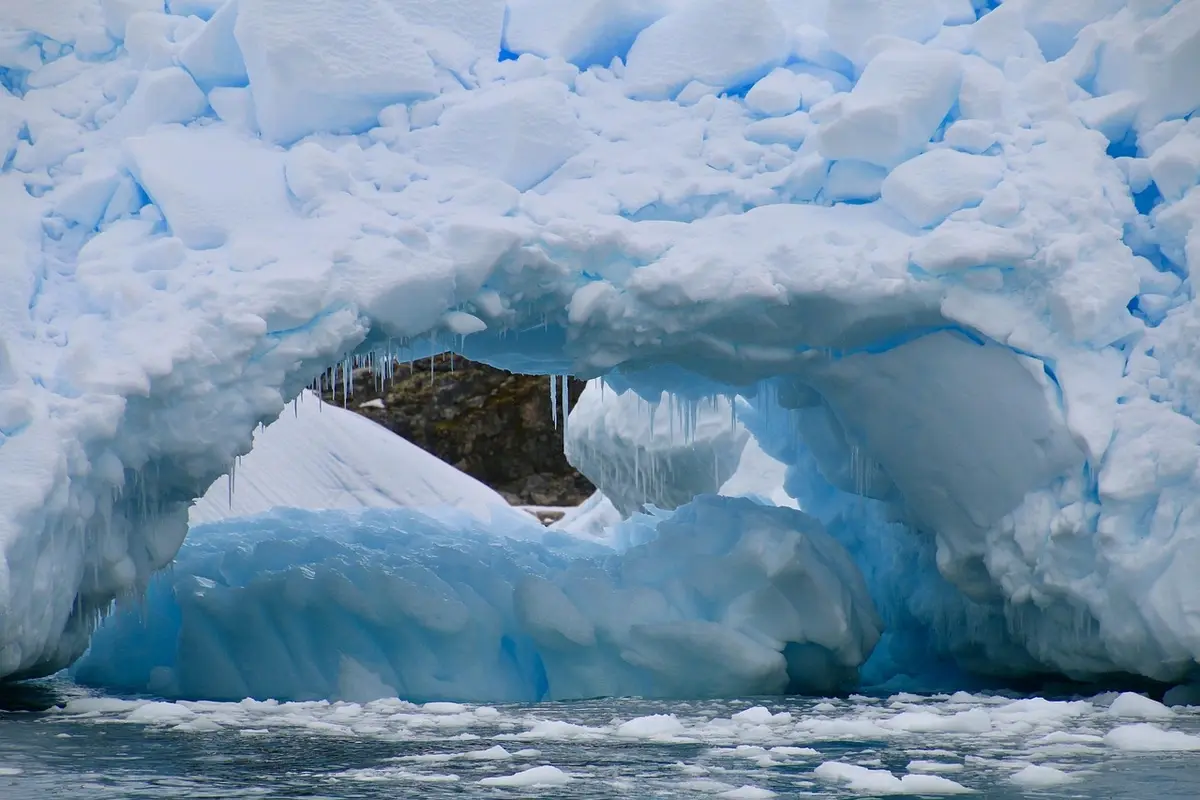 Sea ice is rapidly diminishing, ice shelves are melting faster, the ice sheets covering the continent are nearing a critical point, and vital ocean currents are slowing down.
This alarming news comes from a study published in the journal Nature by researchers from the Australian National University, James Cook University, Monash University, and the University of New South Wales. They believe the changes occurring in Antarctica and the surrounding Southern Ocean will significantly intensify in the future.
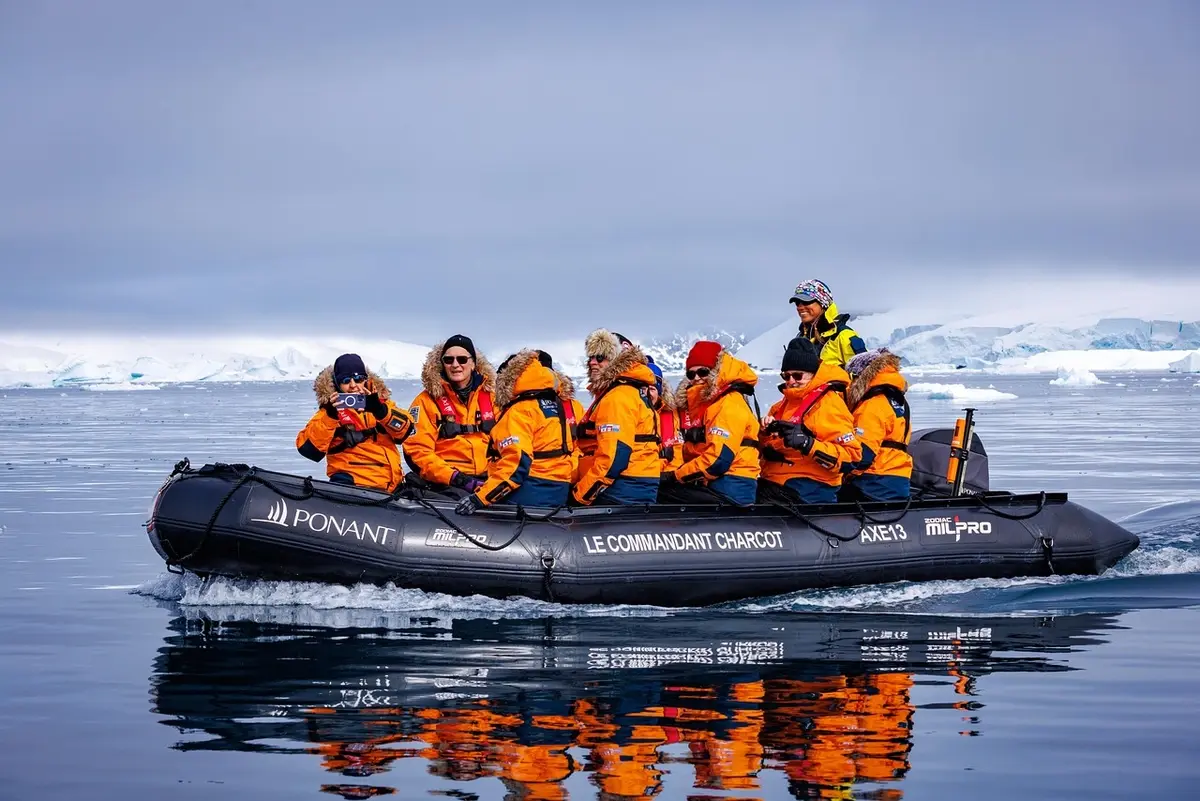
Scientists witnessed these striking changes during field research on the ice. What they observed carries dire implications for wildlife. Everything happening in Antarctica will affect the future of the planet, with coming generations facing extreme shifts in the climate system and rising sea levels.
Drastic Changes: A Ticking Time Bomb
Scientists typically use the term “drastic changes” for climate or ecological shifts that happen much faster than expected. Those rapid shifts are worrying because they can make existing problems worse. For example, the melting of sea ice contributes to faster ocean warming, which in turn leads to the loss of even more sea ice. Once these changes take hold, they are extremely difficult, if not impossible, to reverse.
The team found that, in recent decades, the Antarctic environment had responded to anthropogenic global warming much less dramatically than the Arctic. However, about a decade ago, rapid changes began to take place across Antarctica.
Sea Ice Decline Triggers a Cascading Reaction
The natural systems of Antarctica are intricately interconnected. When one system loses balance, it triggers a cascading effect in others.
The area of sea ice around Antarctica has been rapidly shrinking since 2014. Around the continent, sea ice is melting twice as fast as it is in the Arctic. These unprecedented changes go far beyond the natural variability seen in past centuries.
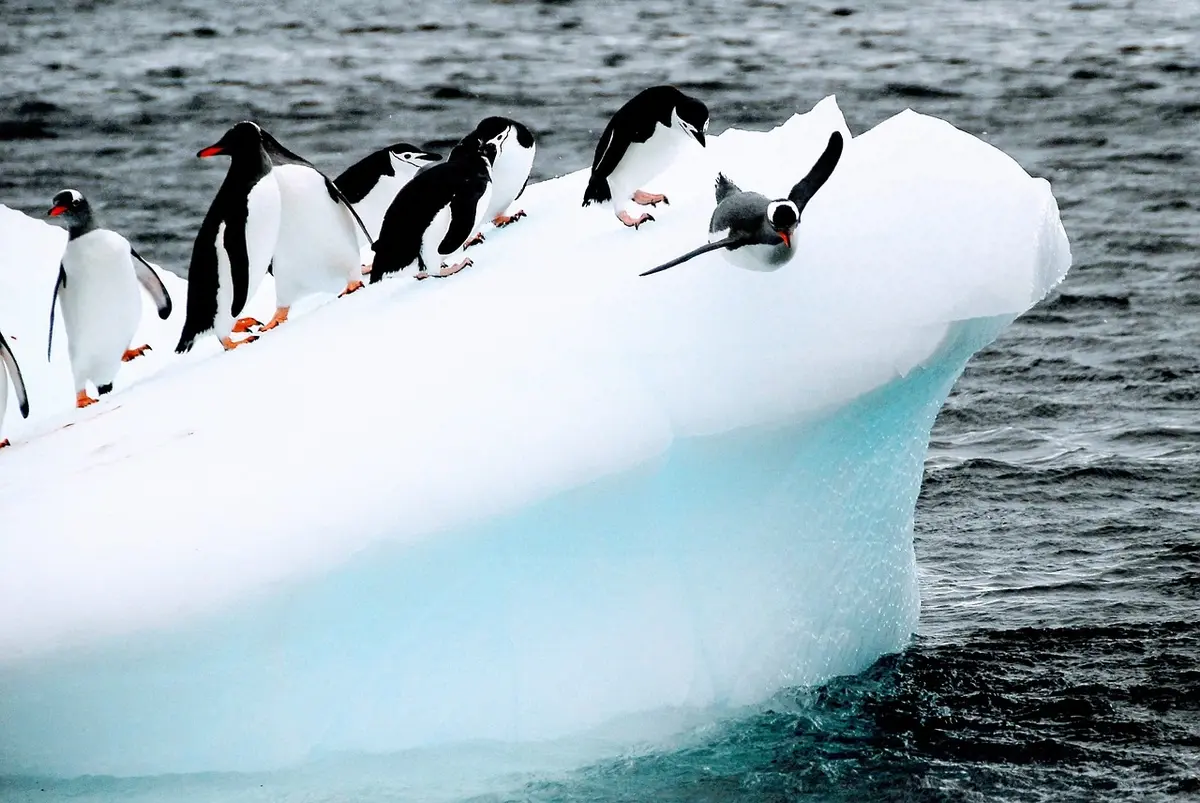
According to the team, emperor penguins and other species that depend on sea ice for habitat and breeding are facing real threats. The reduction in sea ice also leaves Antarctic ice shelves more vulnerable to wave action.
Vital Ocean Currents Are Slowing Down
The melting ice is slowing down the deep-water circulation of the ocean around Antarctica. This system of deep currents, known as the Antarctic circulation, helps regulate Earth’s climate by absorbing carbon dioxide and redistributing heat.
In the Northern Hemisphere, the Atlantic Meridional Overturning Circulation has been slowing down. Researchers are now seeing a similar risk in the Southern Ocean. Changes in the Antarctic circulation could happen twice as fast as changes in the North Atlantic region. That would have serious consequences for marine ecosystems, ScienceAlert reports.
Melting Giants
The West Antarctic Ice Sheet and parts of East Antarctica are losing ice, which contributes to rising sea levels. Since the 1990s, ice loss from the West Antarctic Ice Sheet has increased sixfold.
Scientists say the West Antarctic Ice Sheet contains enough ice to raise global sea level by more than 5 meters. That means the planet is approaching a point where the West Antarctic Ice Sheet could collapse even without substantial further warming.
At least 750 million people worldwide live in low-lying coastal areas. Rising sea levels threaten coastal infrastructure and communities around the globe.
Wildlife and Ecosystems at Risk
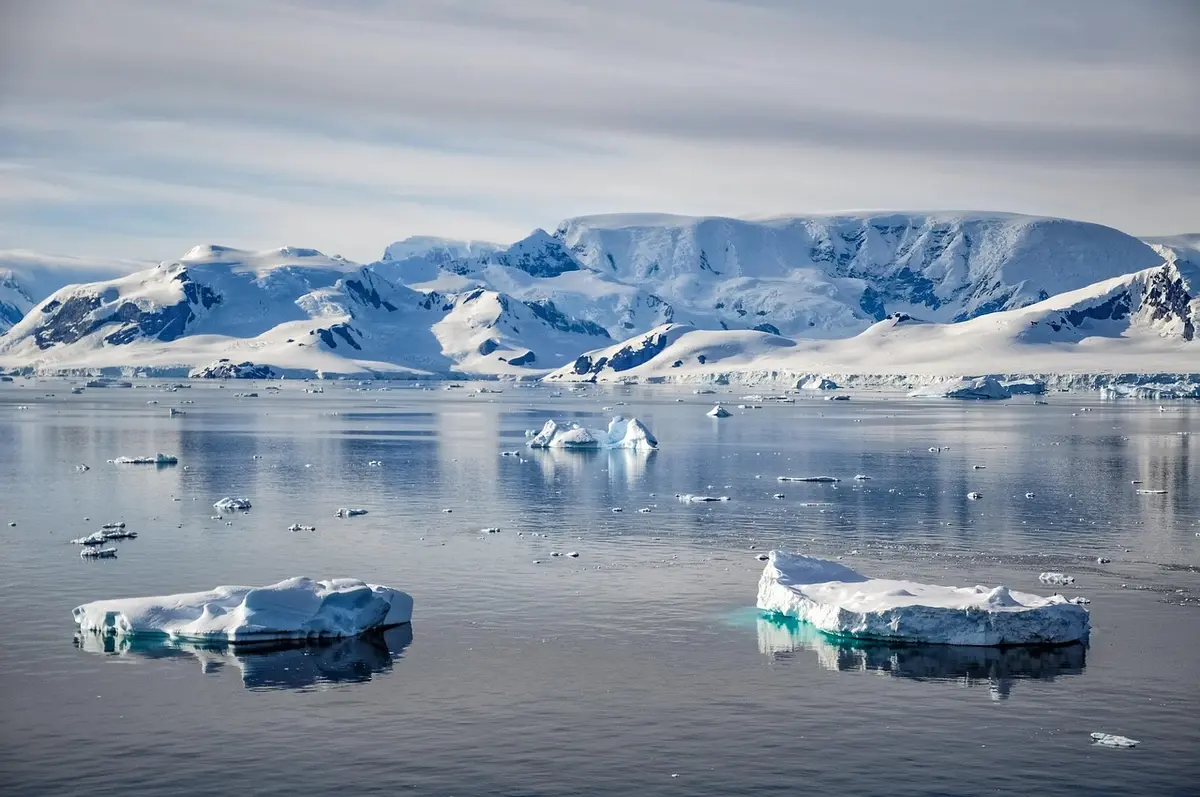
Antarctica’s biological systems are also undergoing abrupt shifts. Both underwater and land-based ecosystems are restructuring because of warming, unstable ice conditions, and human activities that cause pollution and introduce invasive species.
Current conservation efforts aren’t enough to ensure the survival of emperor penguins and leopard seals. More decisive action from the global community is needed to cut greenhouse gas emissions.
What’s Next?
Antarctica has long been seen as a symbol of isolation and stability. But the continent is now changing at an alarming rate—far faster than scientists had expected.
These rapid changes are largely driven by excess heat that has accumulated over decades because of unchecked greenhouse gas emissions. The only realistic way to avoid further severe changes is to cut emissions quickly and aim to keep warming as close to 1.5 °C as possible.
And even if that goal is reached, many changes have already begun. Humanity must prepare for more extreme events. What happens in Antarctica will have repercussions for the entire planet.
Photo: pixabay.com
