
 Gaby
Gaby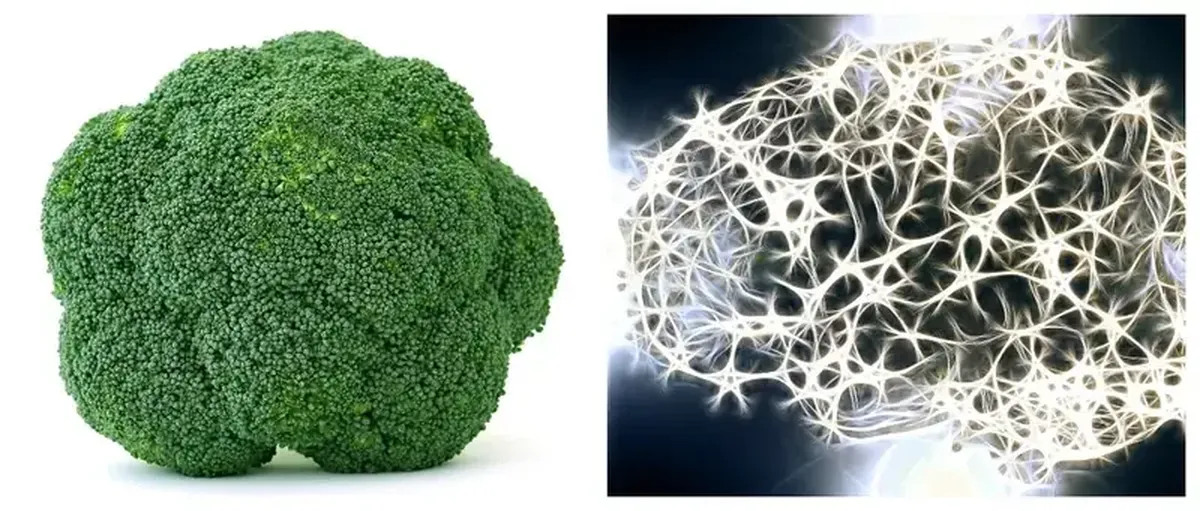
Many of us don’t realize how beneficial vitamin K can be. It’s in everyday foods, and our bodies mainly get it from green vegetables.
Most adults, especially older people, are deficient in vitamin K — a biologically active compound that helps protect the brain from cognitive decline.
A new study from Tufts University in the U.S. found that vitamin K supports cells in the hippocampus, the brain region responsible for learning and memory.
What Did the Researchers Discover?
The team split 60 middle-aged mice into two groups. One group ate a low-vitamin K diet; the other ate a standard mouse diet with plenty of vitamin K. Then the researchers ran behavioral tests to measure the rodents’ learning and memory, according to BBC Science Focus.
The scientists found that the mice lacking vitamin K struggled with learning and memory. Compared to those on a standard diet, they had difficulty recognizing objects they had seen before, a clear sign of memory impairment.
Mice deficient in vitamin K also took much longer to navigate a water maze, suggesting trouble with spatial memory.
Finally, researchers examined the mice’s brain tissue, focusing on the hippocampus — the region where new neurons are born through neurogenesis, a process important for brain health and resilience.
Mice deficient in vitamin K showed reduced neurogenesis: they produced fewer new neurons.
‘Neurogenesis is believed to play a critical role in learning and memory, and its disruption can directly contribute to cognitive decline,’ said Tong Zheng, the study’s lead author.
The team also observed signs of increased inflammation in the brains of mice lacking vitamin K, another key factor in cognitive deterioration.
‘People need to eat healthy foods. They should particularly include vegetables in their diet,’ said Professor Sarah Booth, the study’s senior author.
The team also found that older adults typically get less vitamin K than younger people.
They highlighted plant-based foods rich in vitamin K: leafy greens, Brussels sprouts, cabbage, spinach, lettuce, peas, broccoli, parsley, avocados, and kiwis.
The study’s findings were published in the Journal of Nutrition.
