
 Gaby
Gaby
Nutrition experts have compiled a list of foods that can help prolong youth. A healthy diet can add up to 20 years to a person’s life.
How to Stay Young: Lowering Cholesterol
Improper nutrition can cause blood vessels to thin, become brittle, and develop blockages. It’s important to prevent buildup of calcium and sclerotic plaques—formed from cholesterol and cellular waste—because clogged vessels struggle to deliver nutrients to tissues and remove cellular waste. As we age, our diets should include less fatty meat and dairy. Replace fast food—rich in trans fats and preservatives—along with mayonnaise, margarine, sausages, processed foods, and canned goods with fresh options that help lower harmful cholesterol. Swap animal fats for plant-based oils, and limit red meat to 50 grams per day or stop eating it altogether.
Beans
Beans are a nutritious alternative to pork and beef, made up of roughly 25% plant protein with about an 80% absorption rate. Thanks to the amino acid arginine, which supports nitrogen metabolism, beans help lower LDL cholesterol and harmful blood sugar levels. Folic acid reduces the likelihood of cardiovascular disease, while fiber helps eliminate toxins and aids digestion.
Walnuts
Walnuts help clear arteries and lower LDL cholesterol. Include them regularly but in moderation—about 50 grams every other day.
Oatmeal
Oatmeal can help reduce the risk of strokes and heart attacks. Volunteers who ate oatmeal for breakfast lowered their LDL cholesterol by 13% over six months. Older adults are advised to top their oatmeal with nuts and fruit.
Tomatoes
Tomato juice can reduce LDL cholesterol and help prevent heart attacks and strokes. For older adults, tomatoes improve circulation, support blood flow to the brain, normalize metabolism, and boost mood.
Olive and Flaxseed Oil
Plant-based oils help prevent cardiovascular disease. For preventive or therapeutic use, take one tablespoon a day—preferably before breakfast.
Pork Fat
Paradoxically, fresh pork fat appears on the list of foods that can protect blood vessels and help prevent atherosclerosis. Fresh pork fat contains vitamin F and selenium, which can enhance vascular elasticity, may reduce tumor risk, and can support potency. In terms of its bile-stimulating (choleretic) effect, this food is said to be even more beneficial than olive oil. Avoid old, yellowed fat because of potential carcinogens, and do not exceed a daily fat allowance of 1 gram per kilogram of body weight.

What Slows Down Human Aging
Organ “wear and tear” comes from cell damage caused by reactive oxygen species and free radicals. Antioxidants stop oxidation—these substances prevent cell damage and protect the body from aging processes. Antioxidants also support cognitive function, reduce cardiovascular risk, and improve skin condition.
Chocolate
Cognitive function tends to slow with age; mental reaction speed reportedly falls by about half by age 50 and by as much as 90% by age 70. A daily dose of just 10 grams of chocolate (one-tenth of a 100-gram bar) can improve brain function. Cocoa beans are rich in the antioxidant flavanol.
Coffee and Cocoa
Coffee and cocoa provide magnesium and antioxidants that support the nervous system and may slow aging. Up to four cups a day can boost energy and mood and may help reduce the risk of diabetes.
Citrus Fruits
Citrus fruits and their juices help protect against ischemic stroke by improving blood flow to the brain. They can reduce the risk of brain infarction by nearly 20%. These fruits are rich in flavonoids, plant polyphenol precursors. To help prevent vascular events and slow brain aging, aim for about 45 mg of flavonoids a day, roughly the amount in a glass of fresh orange juice.
Ginger
Ginger can slow aging and improve cerebral circulation. It also supports libido, strengthens the immune system, and aids detoxification.
Beets
Half a liter of beet juice can lower blood pressure for a day. Nitrates in beets convert to nitric oxide in the body, which improves blood flow and helps keep blood pressure under control.
Potatoes
Potatoes can help normalize blood pressure, but their main advantage is selenium content: potatoes reportedly contain more selenium than many nuts and seeds. Selenium is a powerful antioxidant that supports the thyroid and boosts immunity. Potatoes are also a good source of carbohydrates and fiber, and they contain about three times more vitamin C than avocados.
Fish
A memory-friendly diet should include vitamin D and omega-3 fatty acids. Sea fish supplies selenium, iodine, and other valuable minerals. Fish contains antioxidants that help prevent cardiovascular disease, inflammation, and malignant growths. Taking about 2 grams of fish oil daily supports heart health. Nutritionists recommend eating fatty fish once or twice a week rather than overloading your menu with it.
Cheese
Dairy products are important for bone health. A daily calcium requirement can be met with 200 grams of cheese, milk, or yogurt. A glass of milk a day may protect against colon cancer. Very low-fat cheese can limit absorption of fat-soluble vitamins A and D, so nutritionists consider low-fat fermented dairy products with 2–3% fat to be optimal.
Eggs
Lecithin, found in eggs, helps form cell membranes. A deficiency of lecithin can show up as scattered attention and trouble absorbing information. In later life, include chicken eggs in the diet about twice a week; when eaten, limit to no more than two eggs per day. Soy, liver, brewer’s yeast, peanuts, fish, and whole grains can also provide lecithin.

Foods for Youth and Longevity
What tastes good should also be healthy. Modern nutritionists recommend that half of your diet consist of fiber-rich foods and that sugar, salt, and unhealthy fats be limited. Top sources of dietary fiber include oats, buckwheat, wild rice, lentils, chickpeas, peas, persimmons, mangoes, pineapples, and nuts—these foods support a healthy gut microbiome.
Whole Grain Bread
“Cleaners” are found in coarsely ground flour, whole grains, beans, greens, vegetables, and fruits. Dietary fiber acts like a brush for the body.
Fruits and Berries
As metabolism slows with age and hormonal changes cause estrogen deficiency, fruits can help. Apples and berries (and soy and flaxseed) contain phytoestrogens. These foods also have antitumor properties. Apples, plums, currants, and oranges contain pectin, which helps remove heavy metal salts from the body. Berries fight aging thanks to their polyphenols. Nutritionists call them foods of youth and recommend including them every day.
Water
Daily salt intake should not exceed 15 grams, but most people consume about three times that amount. Excess salt leads to fluid retention and harms blood vessels. Counter excess salt by increasing fresh vegetables fivefold and doubling daily water intake.
Greens and Vegetables
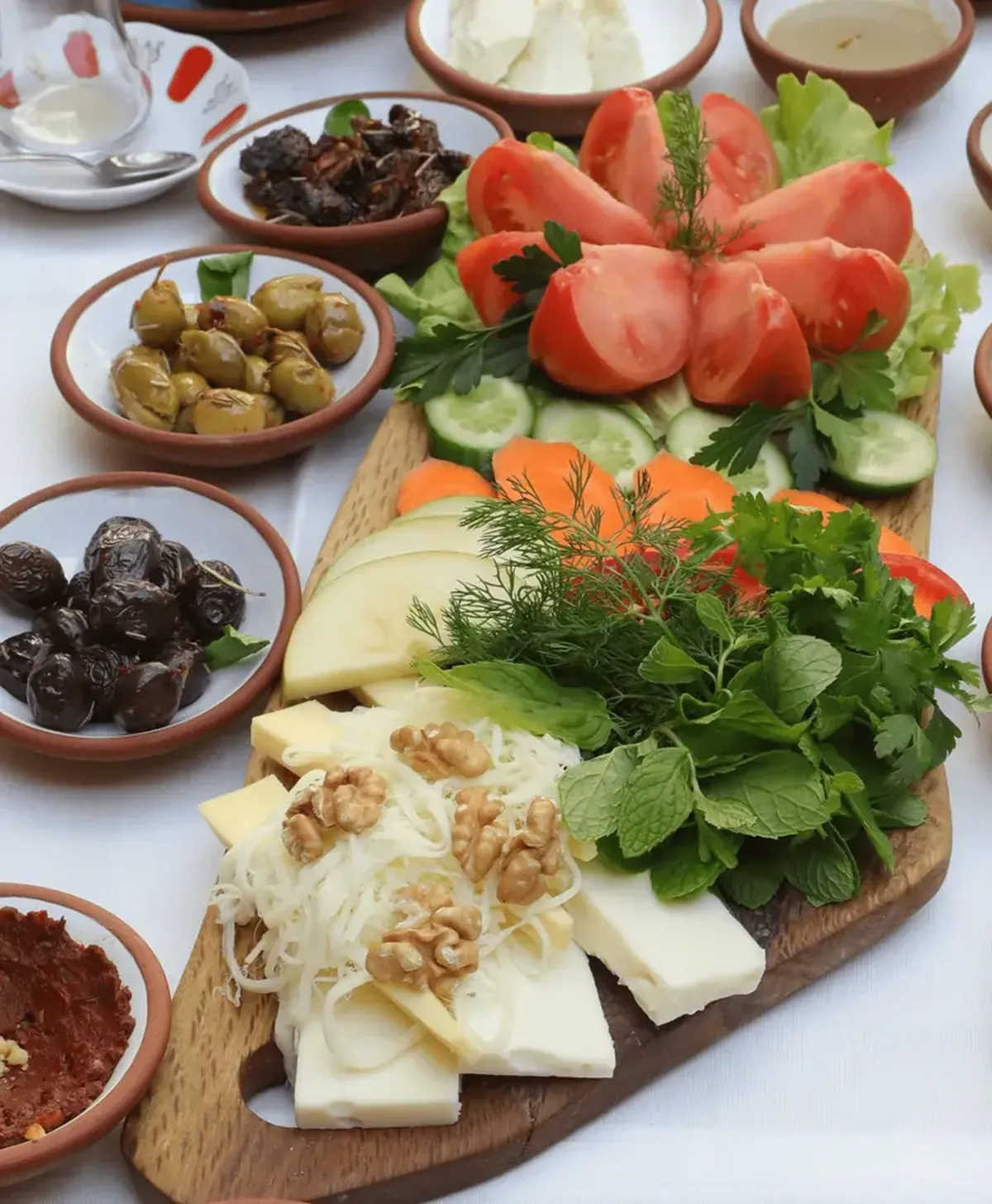
An adult should eat about half a kilogram of vegetables daily. Aim for five different types at once—cabbage, beets, carrots, onions, and garlic, for example. Local, seasonal vegetables are the most beneficial. Root vegetables store vitamins. Cut greens lose half their beneficial components within a day, so eat leafy salads, arugula, basil, dill, and parsley soon after harvesting. The more colors on your plate, the better you’ll feel: peppers, tomatoes, and watermelon boost endorphins and support vitality at any age.
Kefir
In the Caucasus, the fermented milk drink tan is considered an elixir of longevity. In older age, kefir becomes even more important than in youth: it revitalizes sluggish digestion and can increase hemoglobin. Kefir fights putrefactive bacteria and helps detoxify the body. Regular consumption of kefir can extend life by 10–20 years.

Foods for Youthful Skin
Certain trace elements combat oxidation, nourish the skin, and smooth wrinkles. Many common foods are used as raw materials for expensive creams and serums.
Grains and Legumes
Whole grains and legumes are sources of plant protein, potassium, and magnesium—nutrients that stimulate collagen production and help maintain skin elasticity. Whole grain bread with seeds and nuts contains valuable biosorbents: plant fibers that eliminate toxins and improve digestion and metabolism. By reducing conditions that cause pigmentation and dermatitis, these products rejuvenate skin, making it clearer, firmer, and fresher. Aim for at least 300 grams of whole grain products per day.
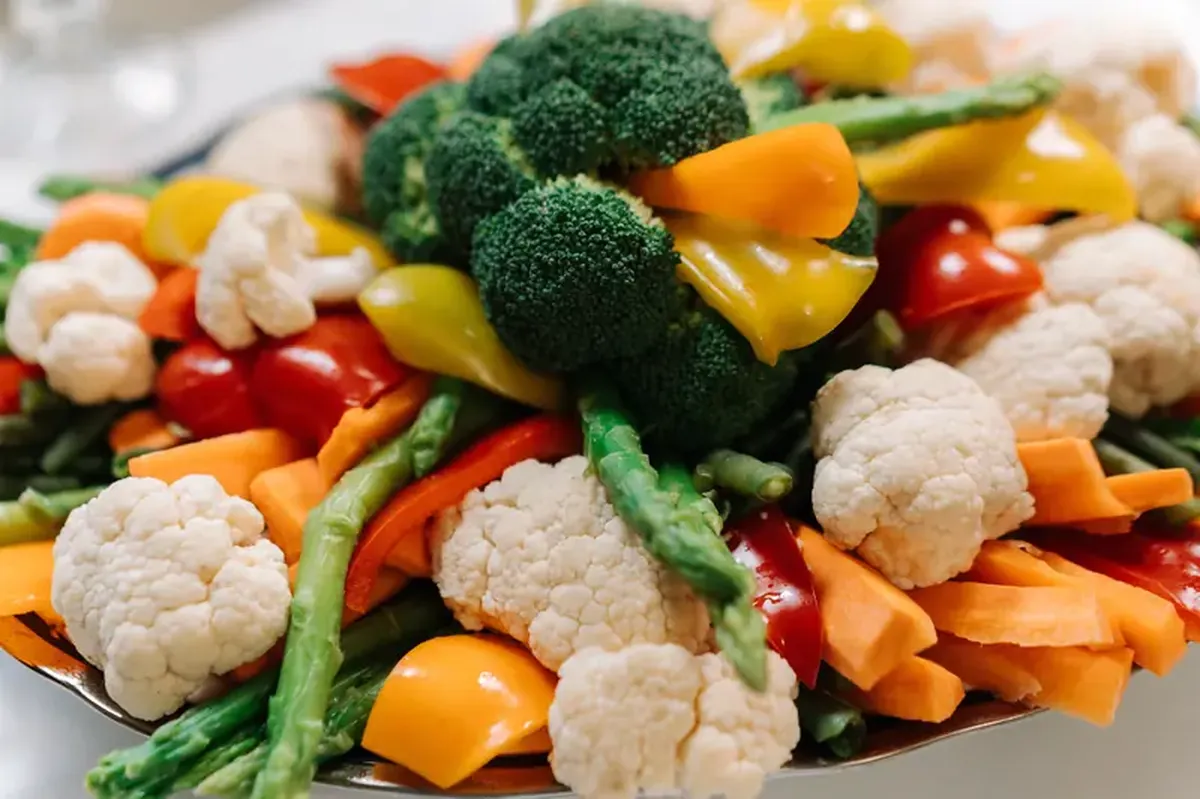
Colorful Vegetables
Pumpkins, yellow and red peppers, tomatoes, and carrots are rich in beta-carotene. This antioxidant promotes skin cell renewal and melanin production for an even tan. The daily target for colorful vegetables is about 300 grams.
Dried Fruits, Fruits, and Berries
Fruit acids, pectin, vitamin C, and fiber all support collagen formation. You find these components in oranges, grapefruits, lemons, kiwis, apricots, black currants, blackberries, blueberries, and raspberries. Fiber and pectin also help remove toxins. Dried fruits provide magnesium and potassium, which improve metabolism and tone the skin. The recommended daily portion of dried apricots, prunes, and raisins is 100 grams.
Avocado
Thanks to its high content of essential oils, avocado deserves special mention. This unique fruit contains niacin, which benefits skin with anti-inflammatory properties.
Seafood
Omega-3 fatty acids and vitamins A and D enhance skin elasticity by strengthening cell membranes and improving circulation. Shellfish, herring, sardines, mackerel, and salmon help fight sagging, dryness, and wrinkles. About 200 grams of seafood every three days is sufficient.
Fermented Dairy Products
Live yogurt or cottage cheese contains selenium and calcium, which improve skin turgor and strengthen nails. The daily norm for medium-fat cheese (5–9%) is 150 grams, while kefir or yogurt should be about 200 ml.
Greens
Skin health depends on how often you include fresh table greens in your diet. Cilantro, parsley, dill, and lettuce are rich in folic acid, chromium, zinc, copper, iron, magnesium, potassium, and vitamin C. These nutrients help protect the skin from harmful substances and environmental stress.
Herbal Tea
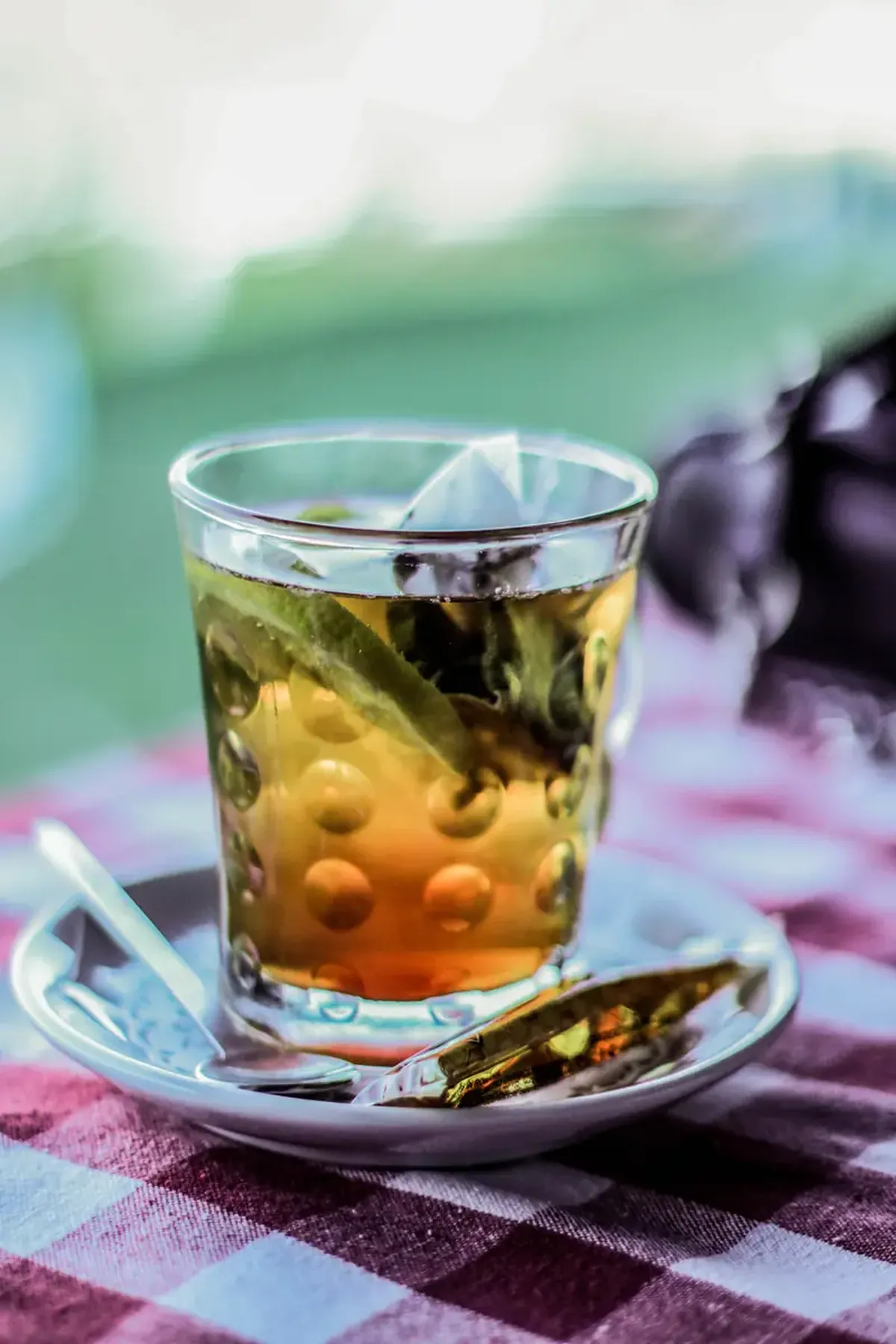
Herbal infusions benefit skin both when drunk and when applied externally—for example, to combat dark circles and under-eye bags. Tannins in tea leaves reduce puffiness. Herbal blends also provide essential oils, potassium, and magnesium. These natural tonics reduce swelling and diminish visible capillaries.
Vitamins Against Aging
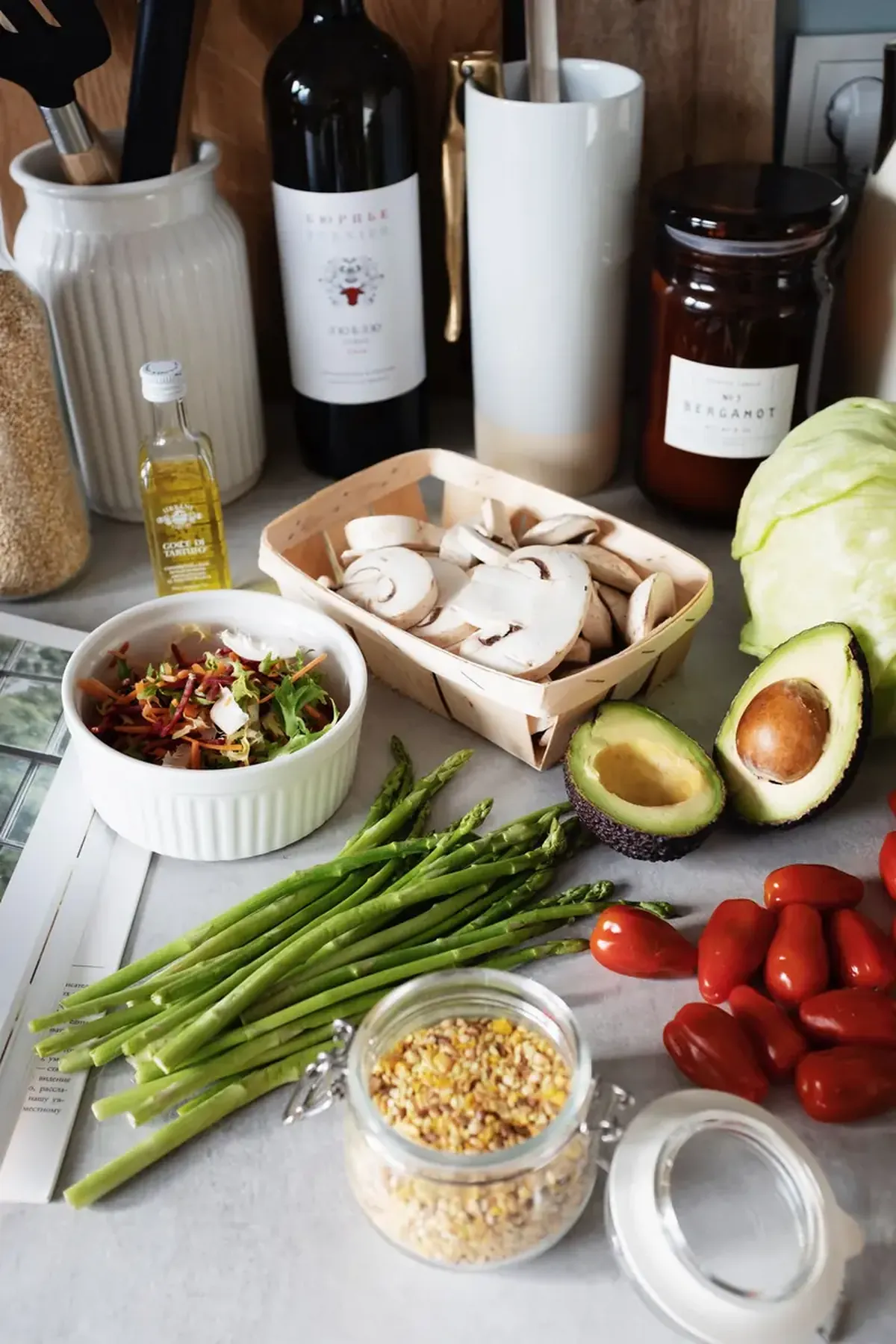
Vitamin B supports hair growth, while vitamins A, D, and E act as powerful antioxidants. A key supporter of youth is vitamin E (tocopherol). Regularly including vitamin E–rich foods in your diet can help slow aging.
Unrefined Vegetable Oil
In terms of vitamins A and E and fatty acids that influence cell membrane formation, olive oil surpasses most other oils. Fatty acids promote skin cell regeneration and help absorb fat-soluble vitamins A, D, and E.
Nuts
Nuts provide coenzyme Q10, which nourishes cells and speeds regeneration. The body’s production of coenzyme Q10 declines in the second half of life, so it must be replenished through food. Nuts are also rich in vitamins E, A, and D.
Lemon
Lemon helps preserve vascular elasticity because vitamin C is involved in collagen formation.
The “Youthful” Diet
Eat well for at least a week each month and combine foods thoughtfully.
Edible “Cleaners”
Certain food combinations can help the body rid itself of toxins and waste.
- Ginger, echinacea, rosemary, and sorrel support the lymphatic system.
- Cucumbers, apples, parsley, calendula, artichokes, burdock, and onions, plus olive oil, help cleanse the liver.
- Excess fluid can be eliminated with nettles, tarragon, dandelions, parsley, apples, cucumbers, zucchini, and honey.
- Onions, leeks, garlic, dandelions, nettles, and echinacea help purify the blood.
- Citrus fruits, fresh fruits and vegetables, burdock, olive oil, and water act as laxatives and choleretics.
To avoid periodic cleanses of a “clogged” body, switch to natural foods: plant-based choices and fermented dairy products.
The Principle of Food Combining
With food combining, you can eat meat, fish, dairy, fruits, and vegetables in combinations that let the body digest and absorb nutrients more efficiently.
- Fresh fruits and vegetables should make up more than half of your diet.
- Fruits eaten on an empty stomach leave the stomach within about 10 minutes, but if consumed with meat they can linger and cause fermentation.
- Carbohydrates and proteins need different conditions and times for digestion: carbohydrates digest faster, while proteins take longer.
- Protein digestion occurs in an acidic environment, while carbohydrate digestion happens in a more alkaline one.
- Consume protein-rich foods (nuts, seeds, fish, meat, eggs, eggplants, legumes, mushrooms) at different times from carbohydrate-rich foods (sweets, potatoes, bread, cereals); the minimum interval should be four hours.
- Neutral foods—dairy, animal fats, fruits, vegetables, and greens—are compatible with both protein- and carbohydrate-rich foods.
Remember: with proper food combining, compatible foods pass quickly through the digestive tract, reducing fermentation and putrefaction. Weight loss can follow, gastrointestinal issues may resolve, and overall well-being often improves.
