
 Gaby
Gaby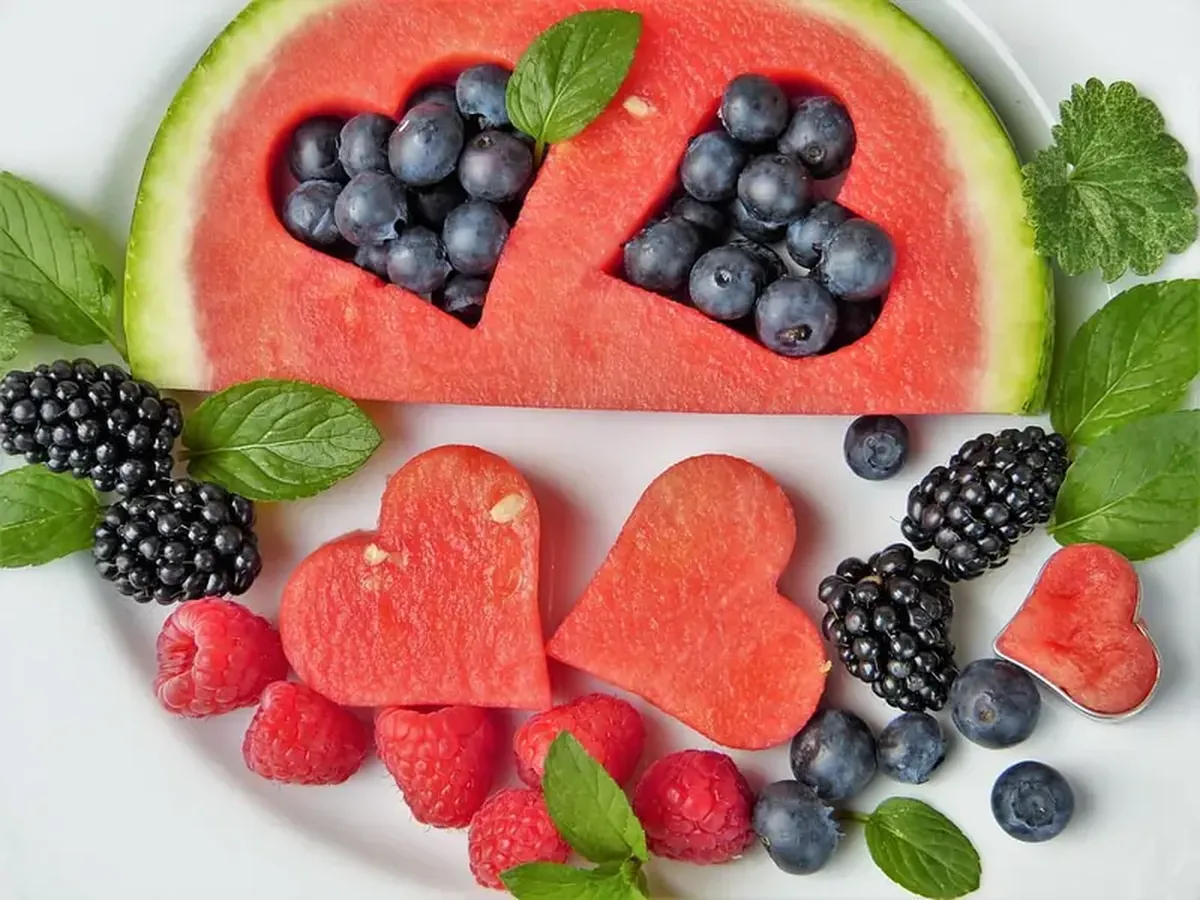
Your face shows your age, so it needs special care. Unfortunately, cosmetic products don’t always deliver results.
Nutritionists and dermatologists say a healthy diet matters more than pricey creams for slowing facial aging, especially for the skin on your face.
Minerals and Vitamins
Nutrition and dermatology specialists recommend prioritizing foods rich in vitamins, minerals, and healthy fats.
Jamie Nado, a registered dietitian from Rhode Island, says fruits, vegetables, and berries—especially blueberries—are extremely beneficial for skin. Foods high in vitamin C, like tomatoes and citrus, help preserve collagen.
Vitamins C, A, and E
Stef Grasso, a certified dietitian from Virginia, recommends foods containing vitamins C, A, and E. Avocados and fish help retain moisture, while eggs, sweet potatoes, and mangoes support skin cell production and repair.
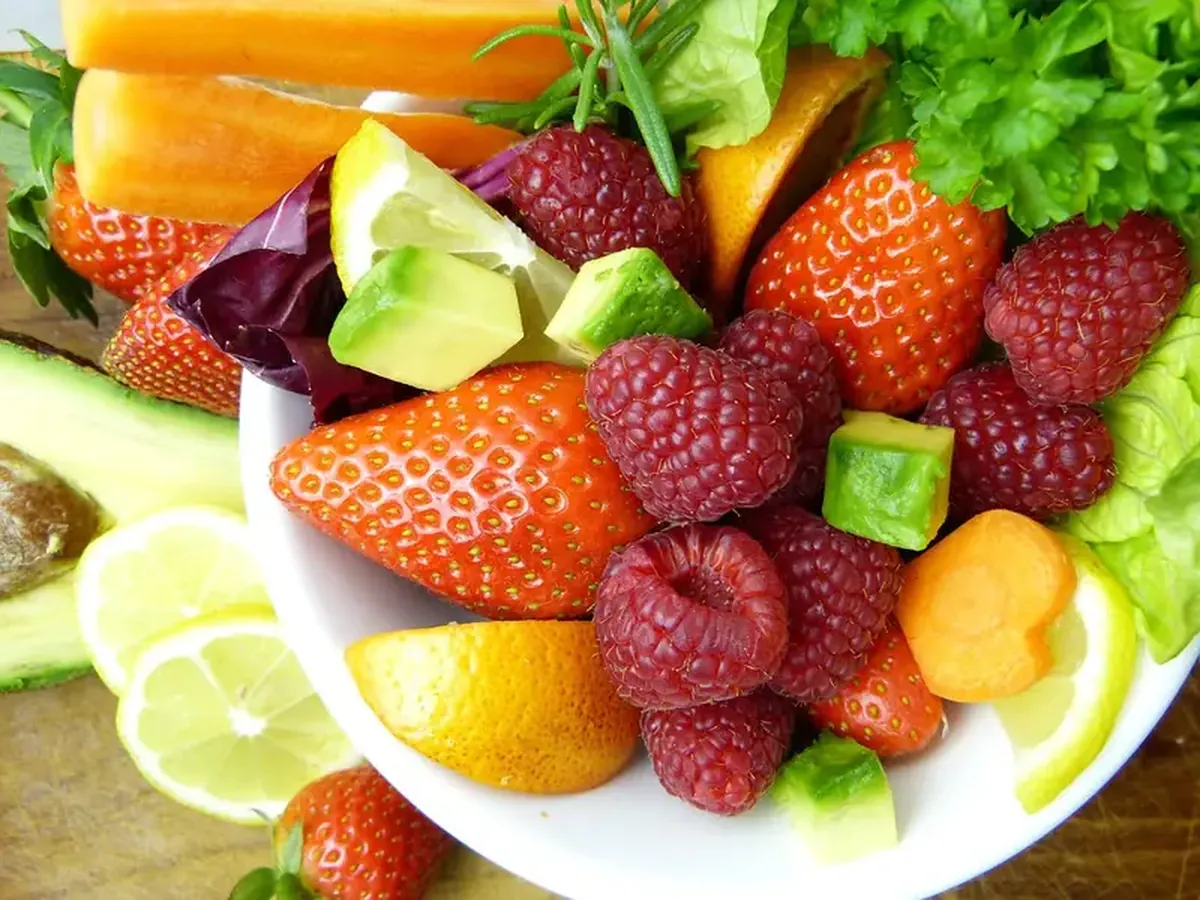 New York dermatologist Leah Ansell, who also advocates for this vitamin trio, suggests consuming bone broth, fruits, and vegetables. She also points out that berries, leafy greens, and broccoli are rich in folic acid.
Omega-3 Fatty Acids
Jamie Nado says you shouldn’t skip high-quality fish such as salmon, which is rich in omega-3s and vitamin E, an important skin antioxidant.
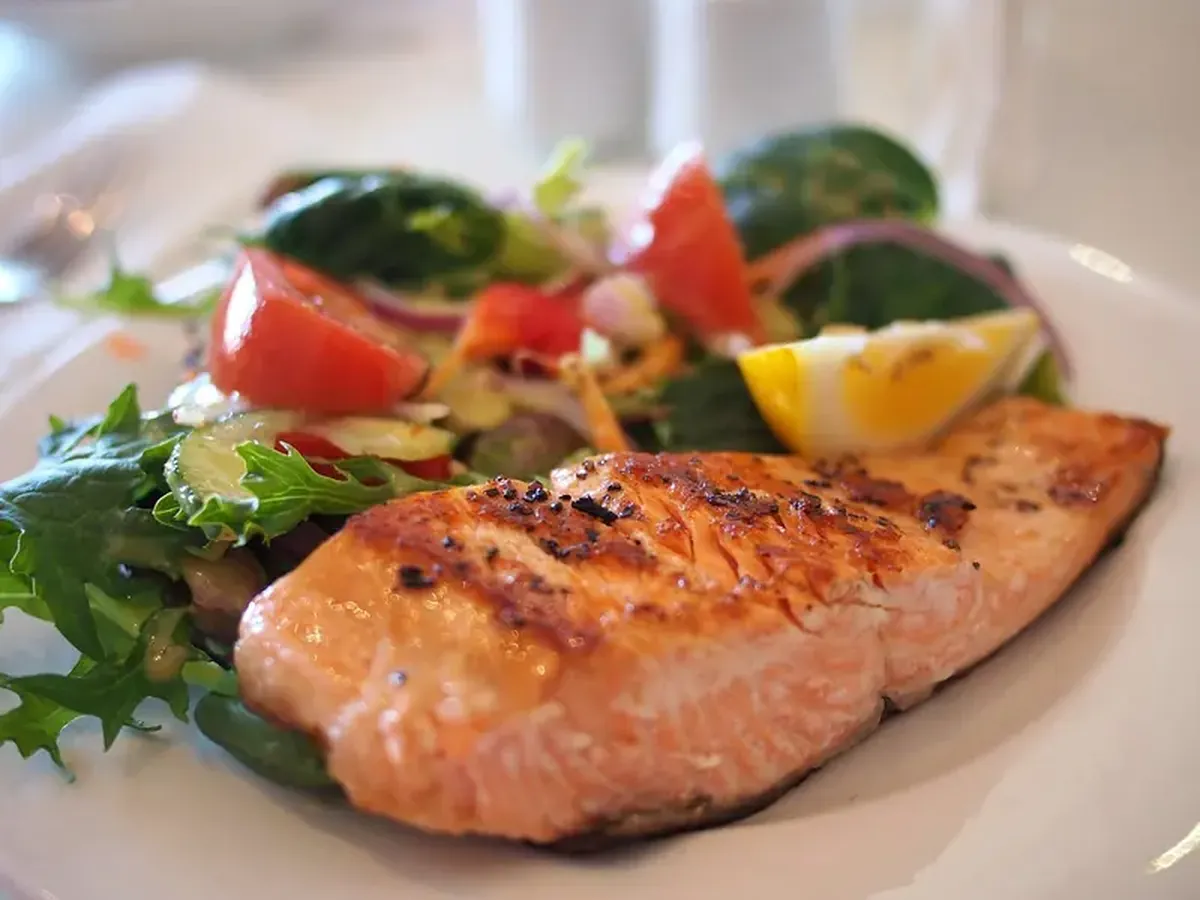 Meanwhile, Stef Grasso recommends focusing on foods with beneficial fatty acids that promote skin hydration, such as walnuts and sardines. They help strengthen the skin’s natural barrier, protecting it from environmental stressors and preventing moisture loss.
Other omega-3-rich foods include flaxseeds, chia seeds, hemp seeds, avocados, and olive oil.
Foods for Skin Hydration
Jenna Werner from New York, a nutrition specialist, believes that drinking plenty of water is the most important factor for skin hydration.
Fruits and vegetables also play a key role in hydration, especially juicy cucumbers and watermelons. Oranges, strawberries, and bell peppers are also beneficial.
Samantha Garcia, a holistic health coach from Los Angeles, revealed clever ways to enhance everyday meals with hydration. ‘Chia seeds, flaxseeds, pumpkin and sunflower seeds, almonds, walnuts, avocados, eggs, and beans are all easy to add to salads or smoothies, and they are excellent for boosting skin hydration,’ she explained.
Chocolate is Not the Enemy
You don’t need to fear chocolate. Its bad reputation is outdated. It contains flavonoids—natural antioxidants that can benefit the skin.
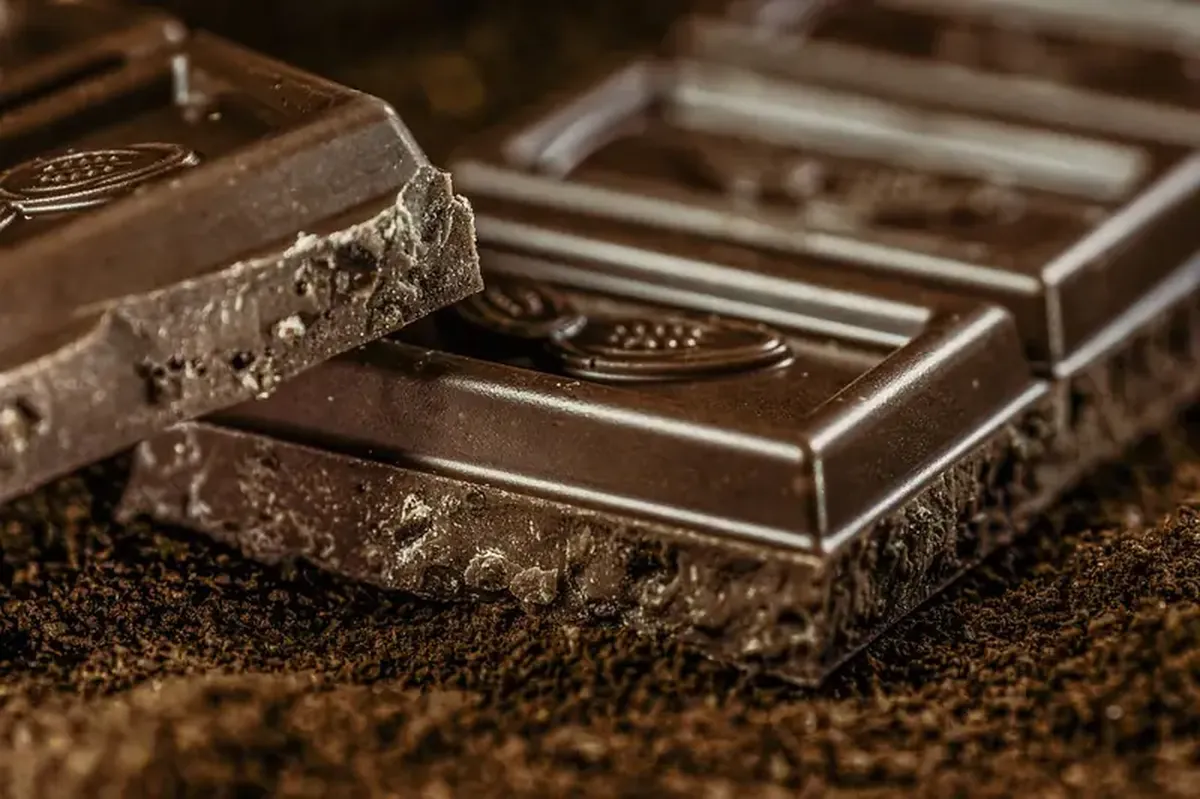 Dietitians say quality and cocoa percentage matter. The higher the cocoa, the more flavonoids. Look for dark chocolate with at least 70% cocoa.
Grasso notes that some studies suggest dark chocolate helps the skin resist ultraviolet radiation.
The Secret Ingredient in Tomatoes That Prevents Aging
Tomatoes are popular for their anti-aging properties. They are rich in biologically active compounds called carotenoids.
One of the main carotenoids that provide tomatoes with antioxidant properties is lycopene.
‘Lycopene protects cells from oxidative damage and is widely used in dermatological products for protection against aging and ultraviolet rays,’ explained Samantha Garcia.
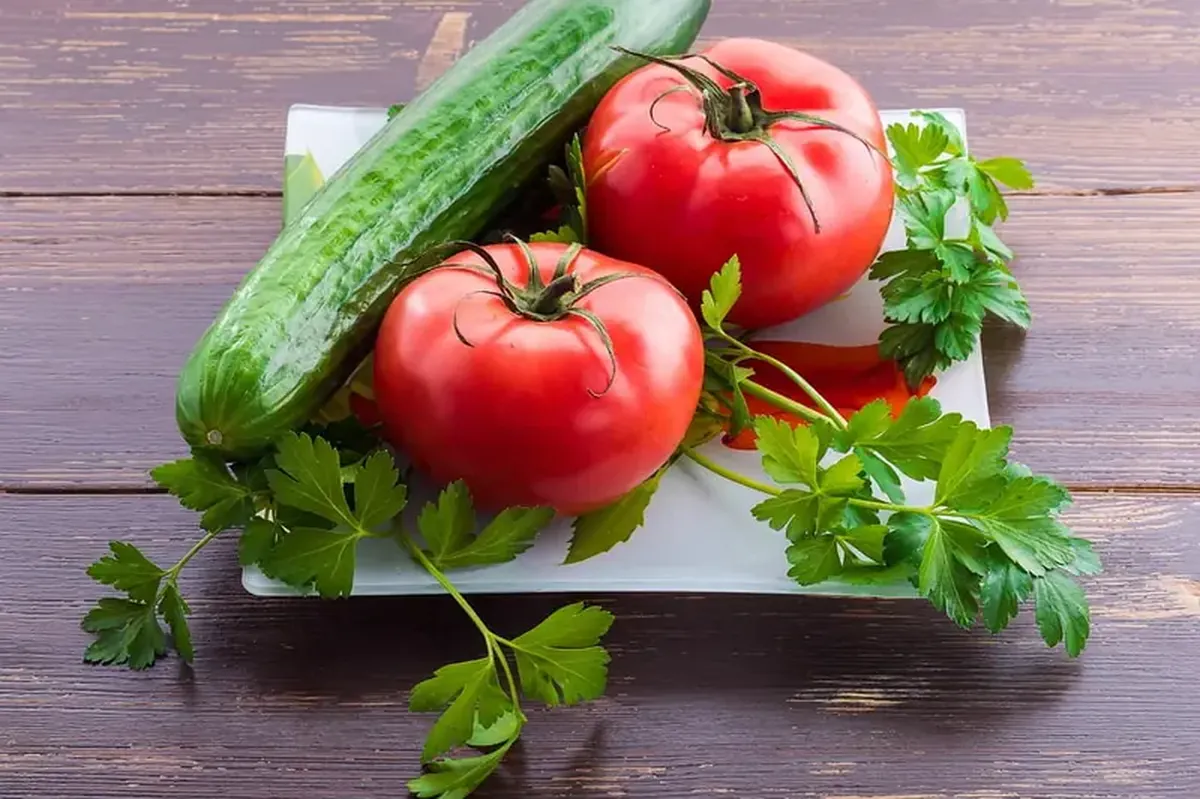 Garcia shared a method to effectively enrich your body with this beneficial component: ‘Lycopene is best absorbed when combined with additional fat. Try heating tomatoes with a small amount of olive oil to enhance its absorption.’
What About Alcohol and Processed Foods?
Alcohol and processed foods aren’t beneficial. However, experts say it’s not necessary to cut them out completely.
Garcia says, ‘It’s unrealistic to completely remove these products from our diet, but it’s very important to reduce their consumption.’
