
 Gaby
Gaby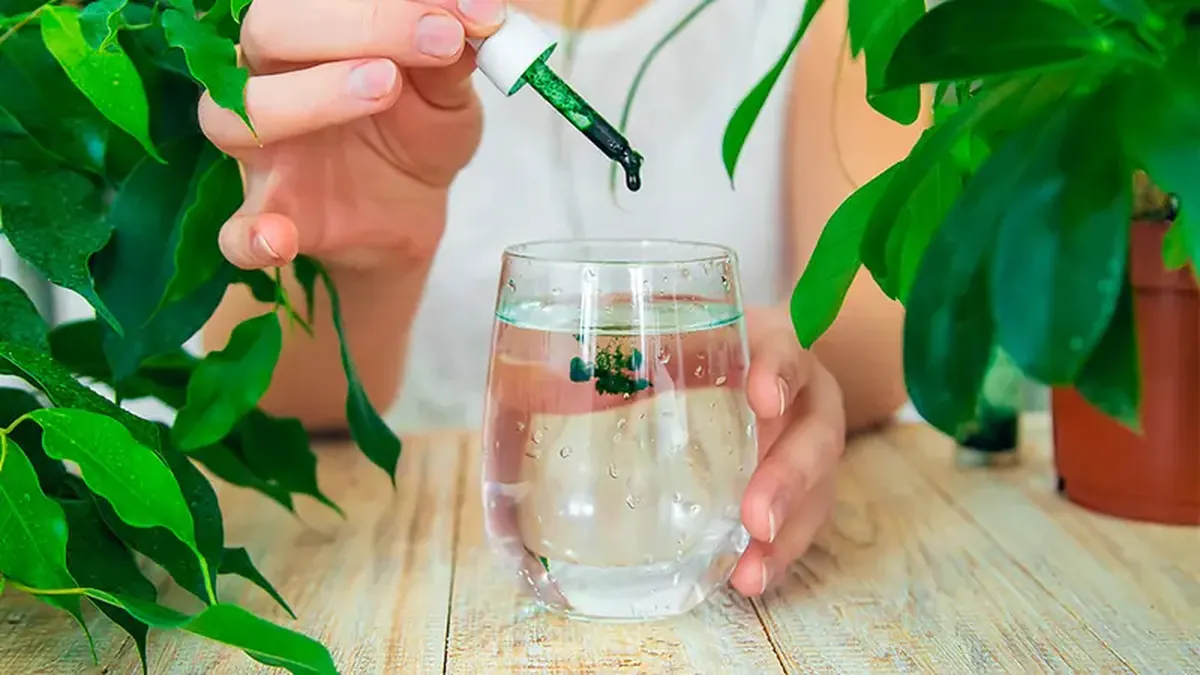
Chlorophyll has been sold as a dietary supplement for more than fifty years, but its popularity has exploded recently. What started in sports nutrition has moved into mainstream food trends: restaurants are adding chlorophyll‑infused dishes, pharmacies stock products that contain it, and cosmetics and fragrance brands are experimenting with the ingredient to differentiate themselves in an overcrowded market. So what does chlorophyll actually do, and do humans really need it?
What Chlorophyll Does
We learned in school that chlorophyll is the green pigment in plants that powers photosynthesis — the process that converts light energy into chemical energy. Plants use that stored energy for nutrient transport, growth, and reproduction. In humans, chlorophyll draws attention because its molecule resembles hemoglobin, the blood protein that carries oxygen to tissues and removes carbon dioxide.
Claims about chlorophyll are split. Supplement manufacturers often credit the pigment with oxygenating the blood, stimulating blood production, increasing hemoglobin levels, activating nitrogen metabolism, and detoxifying cells. Nutritionists point out that many of the health benefits people associate with chlorophyll actually come from the fiber and nutrients found in green plants — which support the immune system, digestion, bones, teeth, and nails. Dietitians remind consumers that you don’t need pills: green fruits and leafy vegetables are natural sources.
Where to Find Chlorophyll
You get chlorophyll from green apples, kiwis, grapes, dill, parsley, asparagus, lettuce, and celery. Foods especially rich in the pigment include leafy greens, herbs, green cabbage, spinach, beans, and peas. Algae like chlorella and spirulina, barley and wheat grass, cilantro, alfalfa, spinach, and broccoli have some of the highest concentrations. Even so, it’s impractical for most people to eat enough of these foods every day to reach the levels some supplements claim to provide. Plus, chlorophyll content drops 15–50% during cooking, freezing, and prolonged storage: frozen spinach can lose about a third of its chlorophyll, while cooked spinach may lose half.
That’s why some people turn to supplements. Natural chlorophyll is fat‑soluble, but many products contain chlorophyllin, a semi‑synthetic, water‑soluble mix of copper and sodium salts made from chlorophyll. During extraction, the central magnesium ion in the chlorophyll molecule is replaced with copper, producing sodium‑copper chlorophyllin or tri‑sodium‑copper chlorophyllin. The result is a more stable, easier‑to‑absorb compound than natural chlorophyll.
Benefits and Risks of Chlorophyll
Sodium‑copper chlorophyllin acts as an antioxidant with anti‑inflammatory properties. Extracts from plants like alfalfa also bring trace elements such as magnesium, potassium, calcium, iron, zinc, phosphorus, manganese, and selenium, as well as pigments and vitamins including carotene and vitamins A, E, K, and some B vitamins. Some studies suggest the extract can reduce the absorption of certain harmful chemicals that raise cancer risk. At the same time, some research warns that, in very high doses, sodium‑copper chlorophyllin—sold by some companies as an anti‑cancer agent—could have adverse effects.
Supplement labels rarely specify a maximum duration for use, but many doctors recommend taking a 12‑week break after a three‑month course. Pregnant and breastfeeding women and children under 14 should consult a doctor before using chlorophyll supplements. Avoid taking chlorophyll with photosensitizing medications, which together can increase the risk of allergic reactions and sun sensitivity. Prolonged overdosing can cause diarrhea, changes in tongue color (yellow, green, or black), and darkened stools. If stool turns black, stop the supplement for three days and get a test for hidden blood.
Why Drink Chlorophyll?
For most people, chlorophyllin is not toxic. The compound is used to reduce or mask unpleasant odors associated with some conditions — feces, urine, sweat, menstrual discharge, and bad breath. Chlorophyll is also reported to support healthy digestion: it can reduce fermentation and putrefaction in the gut, stimulate pancreatic enzyme production, reduce inflammation, and help protect the stomach and intestinal mucous membranes while supporting beneficial microflora. Some evidence suggests it may help protect against certain cancers of the colon, liver, and pancreas by binding and eliminating toxins and allergens.
Chlorophyll’s antibacterial effects may help speed tissue healing, stimulate collagen synthesis, and improve skin condition. Studies indicate the pigment can block absorption of some carcinogenic hydrocarbons found in tobacco smoke and slow oxidative damage from chemical carcinogens, free radicals, and radiation. Chlorophyll has been associated with increased red blood cell production, reduced levels of LDL (bad) cholesterol, and changes in blood pH and composition in some reports. It may also stimulate phagocytosis, which helps the immune system resist viral infections.
Weight Loss and Sports
Athletes and active people take chlorophyll for claims that it improves tissue respiration, boosts endurance, and speeds recovery after workouts. Chlorophyllin binds tightly to uric acid molecules, helping eliminate them and reducing muscle soreness. Some of the amino acids reported in chlorophyllin preparations — leucine, isoleucine, lysine, threonine, and valine — support muscle repair after micro‑injuries sustained during exercise. The pH‑balancing and collagen‑stimulating effects attributed to chlorophyll are also said to strengthen tendons and improve joint cartilage.
Regular intake is also claimed to reduce body odor and sweating during exertion. Specific recommendations exist within bodybuilding communities: taking the supplement a week before competitions is said to help even out skin appearance for stage makeup. In practice, drinking liquid chlorophyll once a day is promoted by some bodybuilders as a way to support fat loss during a cutting phase while trying to keep muscle mass.
How to Take Chlorophyll
Unless a doctor or trainer prescribes otherwise, some sources recommend taking chlorophyll gel capsules (60 mg) 15–20 minutes before meals. One set of recommendations lists the following: for general health, 1 capsule in the morning; for weight loss during cutting, 2–3 capsules in the morning and afternoon; to reduce body odor and sweating, 2 capsules three times a day; for enhanced performance, increased collagen synthesis, liver protection, and cancer prevention, 5 capsules three times a day; and to prevent iron deficiency during heavy menstrual bleeding, premenstrual syndrome, or menopause, 1 capsule three times a day.
Because chlorophyll can stimulate blood production, some women are advised to start the supplement before menstruation begins and continue until it ends. The course may ease PMS and menopausal symptoms, effects that are sometimes attributed to quercetin and isoflavones present in related plant extracts. Products labeled as chlorella contain chlorophyll along with minerals and vitamins; chlorella is a microalgae that provides iodine, important for thyroid function, and pepsin, which can support gastrointestinal mucous membranes and the intestinal microbiome.
Commercial Justification
Perfume and cosmetic brands add chlorophyll to fragrances, deodorants, creams, and cleansers. It’s not exactly a new ingredient in hygiene and beauty products — the idea goes back decades. Italian designer Elsa Schiaparelli, a contemporary of Coco Chanel, was an early adopter of chlorophyll‑based skin‑regenerating products in personal care formulations.
Marketers argue that chlorophyll helps reduce acidity and therefore supports collagen production, which can be hampered by oxidative stress from factors such as stress, heavy exercise, inflammation, poor nutrition, smoking, and alcohol. They claim the pigment contributes to the elasticity of soft tissues, and so it is promoted as a skin‑health ingredient.
Arguments Against
Many product labels claim chlorophyll improves skin, clears acne, tightens pores, and prevents aging. Dermatologists push back: it’s chlorophyllin — and specifically the copper in it — that provides antibacterial effects, not chlorophyll itself. “The antioxidant power of chlorophyll, rich in vitamins A, E, C, and K, does indeed combat free radicals that damage the skin, but liquid chlorophyll can only address inflammatory breakouts, not deep cystic acne,” says Dr. Purvisha Patel, a certified dermatologist in Texas and founder of the American brand Visha Skincare.
Dr. Tiina Orasmäe‑Meder, founder of the Swiss brand Meder Beauty Science and an expert on cosmetic safety, takes a stricter view: she points out that homeostasis prevents the blood from becoming acidic, which undercuts claims that consuming chlorophyll will fix blood acidity. Beauty blogger Michelle Wong, who advocates a science‑based approach to skincare, questions the logic of taking plant chlorophyll at all: “Why drink chlorophyll if it’s not involved in our body’s process of photosynthesis?” she asks, calling some purchases “wasting money on expensive urine.”
