
 Carlos Solis
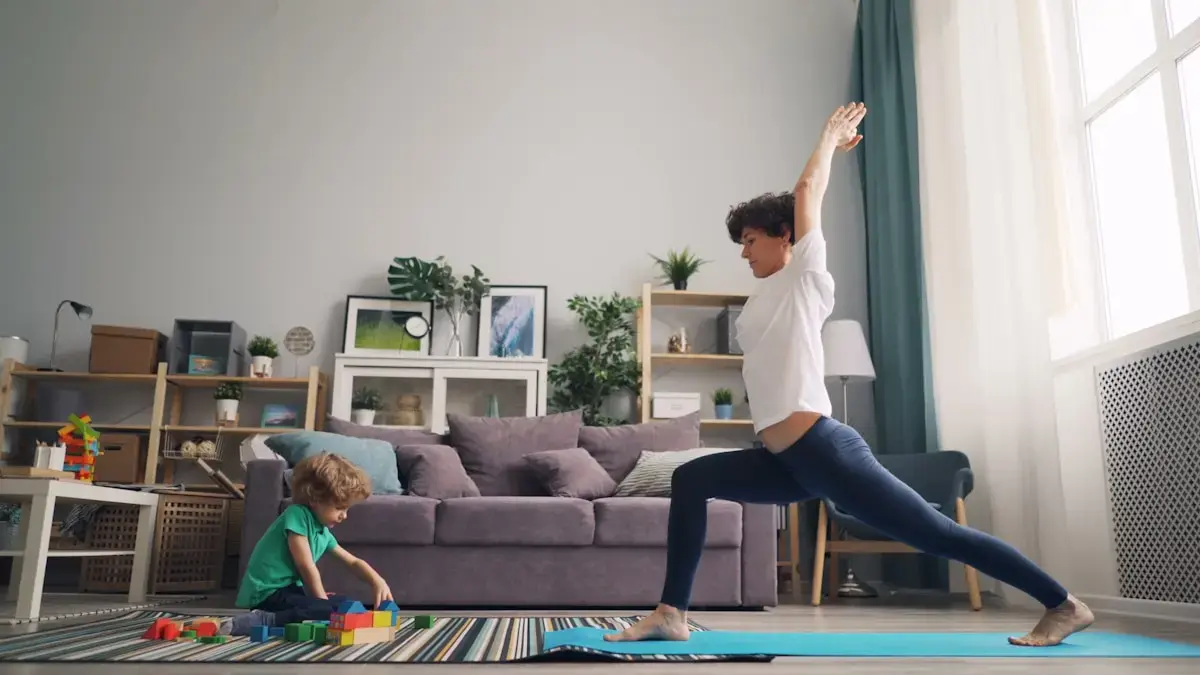 These may sound almost too simple to count as exercise. But movements in the “zero zone” deliver real health benefits, Tom Brownlee, a lecturer in the Department of Sport and Exercise at the University of Birmingham (UK), says.
The concept of zero zone exercises contradicts the mantra of gyms and fitness apps: “Push yourself!” Instead of pushing to exhaustion, the zero zone promotes slow movements you can do while holding a conversation.
This could mean a few stretches while the kettle boils or a leisurely stroll through the garden. The key is keeping your heart rate very low—lower than the usual threshold for zone 1.
Why is it time to pay attention to such exercises?
Zone 1 typically involves about 50–60 percent of maximum heart rate. In the zero zone, as you might guess, the heart rate is lower. So it’s no surprise that some scientists question whether these movements should even be considered exercise.
Still, the term “zero zone”—for very light activity—has grown in popularity. One big advantage is accessibility.

The “quiet” effect of light effort
Recent studies show that even very light activity can improve health markers, including better circulation, and can support mental well-being. A relaxed daily walk can also reduce some health risks.
Professional athletes have long understood that their bodies need recovery time. Light workouts play that role. They’re not a waste of time but a crucial recovery tool, ScienceAlert reports.
The same applies to people with busy or stressful lives. Zero zone exercises can relieve tension without exhausting the body. A calm half-hour walk, for instance, fits the bill.
Mental health researchers have found another advantage of the zero zone: stability. People often abandon workouts because they set the bar too high at the start. Light activities are easier to maintain day after day. The result? Better adherence to regular movement, improved mood, and a lower risk of chronic diseases.
Moreover, the zero zone can serve as a foundation for other kinds of activity or exist on its own as a health-boosting habit. Increasing light movement throughout the day can be just as important as occasional intense workouts.
Thus, zero zone exercises are not about chasing personal records or testing willpower; they are a way to keep moving, stay connected to your body, and cultivate healthy habits for the long term.
Photo: Openverse
