Gaby
Gaby
Our ancestors around the Black Sea used wild herbs to restore their health, discovering how healing they could be. What makes this essential borscht ingredient so valuable, and how should we serve the “red root” at the table?
The Benefits of Beets
People have long noticed that this underground vegetable can improve blood composition and support the heart and blood vessels. The secret is in the nitrates that convert into nitric oxide in the body: this compound promotes red blood cell production, improves circulation, reduces the risk of clots by thinning the blood, dilates blood vessels, and helps lower blood pressure.
Table beets are rich in iron, manganese, and boron. They also contain B vitamins, which are essential for a healthy nervous system. Zinc and phosphorus help support bone health, and natural antioxidants may help reduce the risk of cancer.
This year-round pantry of mineral salts and organic acids can be helpful for people with hypertension or diabetes. Beets also have antimicrobial properties: natural antiseptics in the vegetable can fight infections and pathogenic organisms on the skin, in the mouth, and in the gastrointestinal tract.
The Benefits of Cooked Beets
Even after cooking, this root keeps much of its potassium, iron, iodine, zinc, magnesium, and phosphorus, while preserving vitamins A, several B vitamins, E, biotin (vitamin H), and niacin (vitamin PP). Beets can help slow some signs of aging: folic acid supports the creation of new cells, and silica helps regenerate skin, nails, and hair.
The nutritional value of cooked beets comes in part from their high fiber content. With a gentle laxative effect on the intestines, they are considered one of the milder internal cleansers. Fiber, organic acids, phosphorus, copper, and vitamin C stimulate peristalsis and help reduce putrefactive bacteria.
Betaine helps detoxify the liver. Beets can help prevent fat accumulation in the liver, which is one reason they are used in some approaches to treating alcohol-related liver damage. They also support kidney and bladder cleansing and may help reduce the risk of kidney stones.
The Benefits of Raw Beets
Freshly cut roots and grated leaves are used in folk medicine to aid wound healing, and beet juice is traditionally used for inflammation, colds, pulmonary tuberculosis, hypertension, and epilepsy.
Used in enemas, beet juice acts as a laxative. Intestinal spasms and constipation can be relieved by the fiber and organic acids that restore healthy gut flora, support peristalsis, and stimulate gastric secretions. Beet juice soothes colitis, helps eliminate toxins, and promotes fat breakdown and protein absorption.
Thanks to nitrates, beets support cardiovascular function and can increase endurance—beet juice is popular with athletes seeking a performance boost. The root doesn’t need to be boiled, fried, stewed, or baked to be beneficial—it’s one of the healthiest options in a raw-food diet. Raw beets retain more of certain nutrients that cooking can diminish.

Restrictions and Limitations
Nutritionists recommend a maximum single serving of beet juice of about 150 grams. People with diabetes, kidney failure, or kidney stones should avoid overconsumption.
Because beets contain oxalic acid, they may be unsuitable for people with gastritis, kidney disease, or bladder problems. Those prone to bloating or heartburn should use caution. Due to their laxative effect, beets are not recommended during episodes of diarrhea, and their blood-pressure-lowering effect makes them inappropriate for people with low blood pressure.
Beet consumption is not recommended for children under one year old. When introducing beets for the first time, test for allergic reactions by offering a small sip of juice and watching for any issues.
Beets in Health Recipes
Leaves work well in salads, while the root can be used in appetizers, soups, desserts, and beverages.
Healing Broth
To cleanse the intestines, grate 700 grams of beets, pour in 1.5 liters of boiling water, and simmer gently for 15 minutes without bringing it to a full boil. After a short steeping period, strain the broth, dilute it with water at a 1:10 ratio, and drink one-third of a glass three times a day.
Beet Sauce
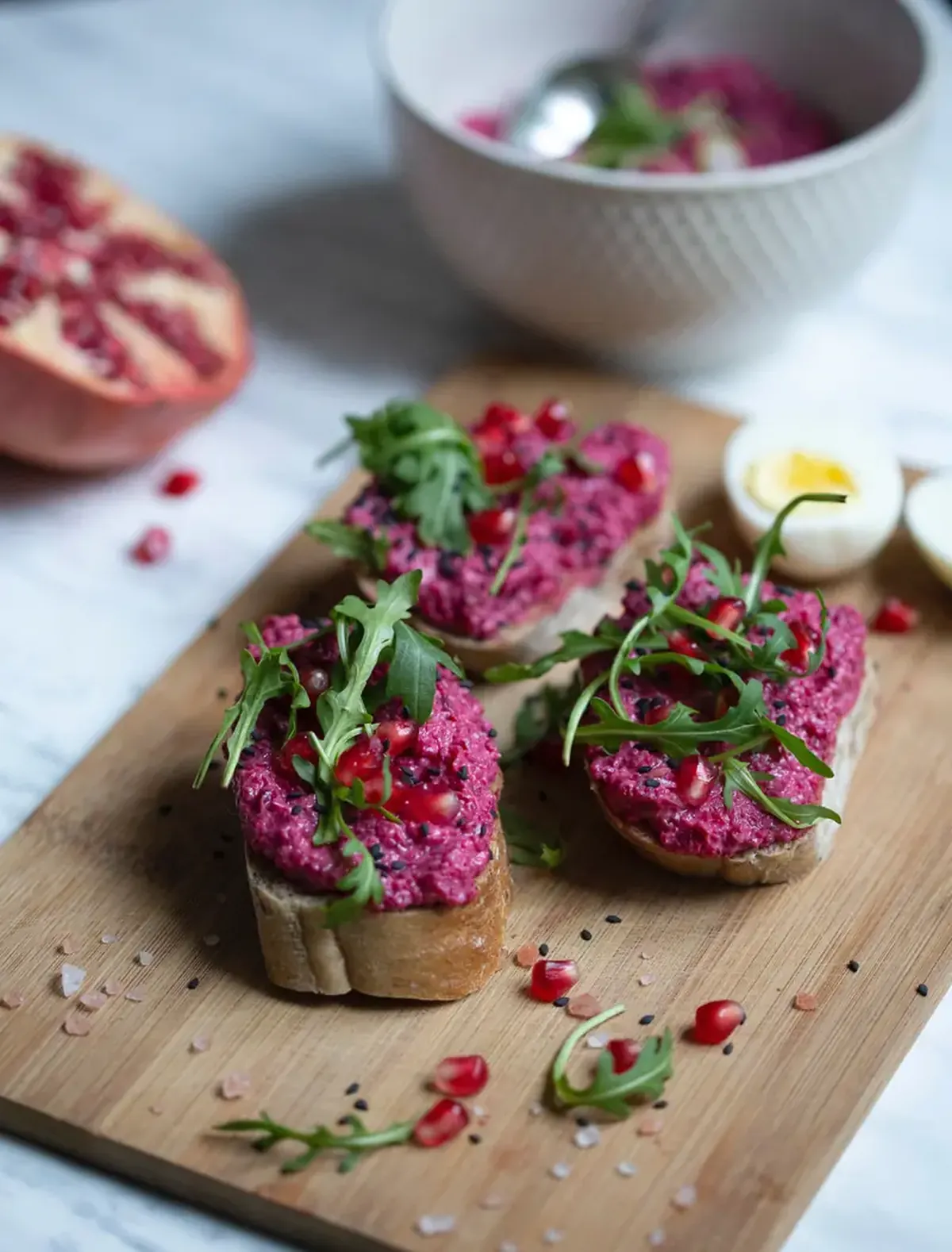
Boil 500 grams of the root, cool it, and mash into a puree. Add garlic, olive oil, lemon juice, ground cumin, sesame seeds, black pepper, and salt to taste. Add other spices if desired.
Beet Kvass
For 1 kilogram of beets, you will need 2 liters of water, 300 grams of rye croutons, and 4 tablespoons of sugar.
Place the grated root in a three-liter jar, add the croutons and sugar. Pour in the water, cover with a cloth, and let it ferment in a dark place at room temperature. On the fourth day, strain and store the kvass in the refrigerator. After two days of maturation, seal the kvass with a lid and keep it in a cool place.

Fermented Cabbage with Beets (Classic Recipe)
Preparing this low-calorie pickle takes about 3 hours. For 3 kilograms of cabbage, you will need 1 kilogram of beets, 1 liter of water, 5 black peppercorns and 5 fragrant peppercorns, 1 tablespoon each of vinegar and sugar, twice that amount of salt, and 3 bay leaves.
Cut the cabbage head into squares to create petals. Slice the beets thinly and mix them with the cabbage.
Prepare the marinade: in boiling water, simmer the spices with salt and sugar for 5 minutes over low heat. A minute before it’s done, add the vinegar.
Pour the marinade over the vegetables. Let them steep in a three-liter jar for 3 days. Serve with oil.
Korean-Style Beets (Homemade Recipe)
Wash and peel 0.5 kg of beets, remove any tough fibers, and grate into thin strips. After resting, the beets will release juice and become juicy. To the juice, add 2 tablespoons of vegetable oil, 2 cloves of garlic, ground black and red pepper, coriander, cumin, or a ready-made Korean marinade spice mix. Season with 20 ml of vinegar, sugar, and salt to taste.
Mix the ingredients and refrigerate. The appetizer is ready after 3 hours.
Beet Salad Recipe
The classic base works well with typical vinaigrette additions: potatoes, carrots, cucumbers, cabbage, and onions. In the salad “Grenadier,” beets are paired with boiled veal; in “Shuba,” they accompany salted herring; and in cheese salads they go with feta or bryndza.
Beet juice will color other ingredients. If you want to avoid that, dress the beets with lemon juice or vinegar, sugar, and oil before combining them with the other components.
When beets are the star of a salad, acidity isn’t necessary. Roast the beets in the oven, peel them, and slice into strips. Dress with oil, salt, and pepper, and mix with garlic, toasted seeds, or chopped walnuts. Garnish with chopped parsley before serving.
In winter, beets pair well with nuts, garlic, thyme, cardamom, nutmeg, raisins, prunes, apples, and cranberries. They are often eaten in the evening because they can help promote sleep.