
 Carlos Solis
Most aging research comes from animal experiments, but human data are beginning to form a clear picture.
The story starts in 1935 at Cornell University. Professor Clive McCay split rats into groups: some ate as much as they wanted, while others received a significantly reduced ration. After 30 months, most of the rats that ate freely had died, but almost half of the calorie-restricted group was still alive. The restricted rats almost doubled their average lifespan, and they weren’t just living longer — they were healthier overall, with fewer tumors, fewer lung and kidney problems, and better fur.
In mice, calorie restriction changes biological markers of aging — it slows epigenetic “clocks” and helps preserve telomere length. Some researchers estimate that switching from a typical diet to an optimized one could add anywhere from a few years up to a decade of life. But humans aren’t rats, so it’s smarter to focus on dietary approaches already supported by human studies.
Six dietary changes worth considering
1. Watch the chemistry: natural molecules that may help
Old findings sometimes hide useful surprises. In 1677, Antony van Leeuwenhoek noticed crystals in sperm under a microscope — those crystals are now called spermidine. Spermidine isn’t a “semen substance”; it’s a molecule found in many foods, including soybeans and mushrooms. Spermidine triggers autophagy, the cellular recycling process that clears damaged parts — a kind of cellular deep clean that appears to have anti-aging effects.
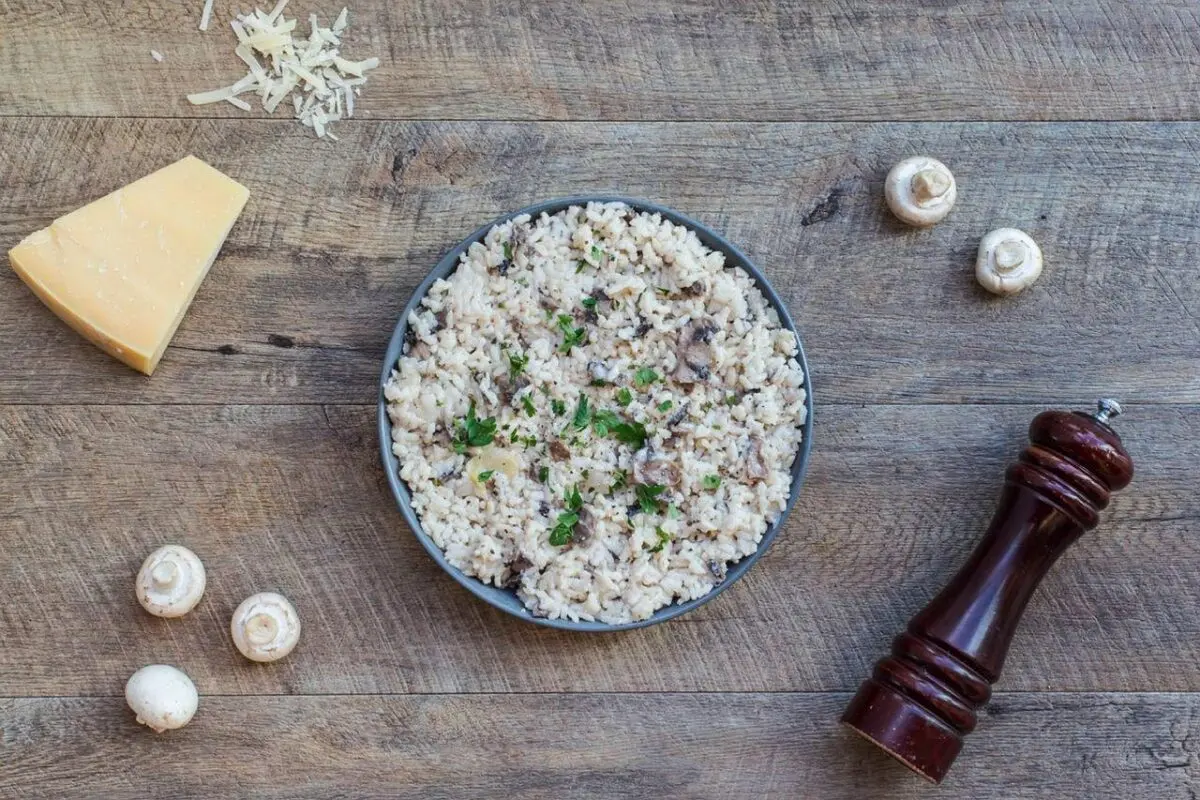
Mice lived longer when researchers added spermidine to their drinking water. In human studies, people who got the most dietary spermidine lived, on average, up to five years longer than those who got the least. Other natural compounds deserve attention too: curcumin from turmeric reduces inflammation, and flavonoids like quercetin and fisetin helped clear senescent (old and dysfunctional) cells in mice.
That doesn’t mean there’s a single “superfood” you should eat by the truckload. Aim for variety: adding a few extra mushrooms or some red cabbage to your plate won’t hurt and may help.
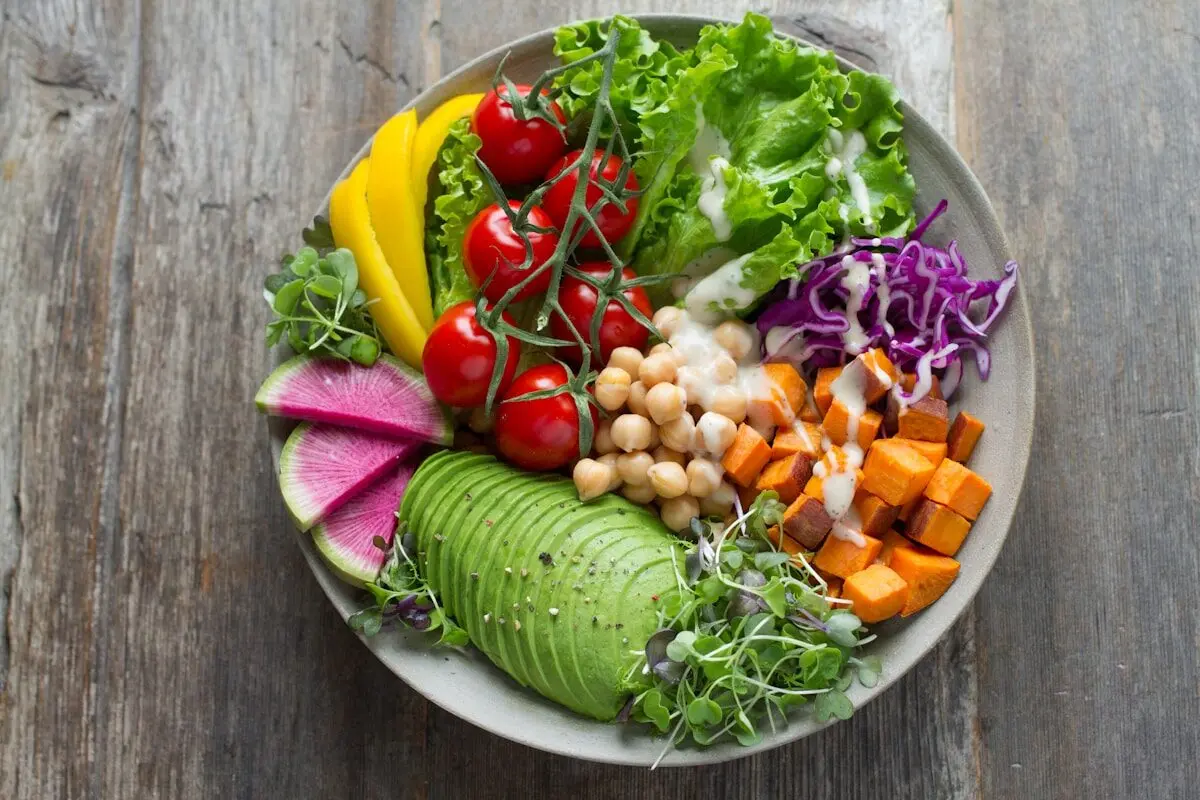
2. More vegetables and plant-based foods
Two major reviews of diet and lifespan reached the same conclusion: plant-based foods should be central. Whole grains (whole-grain bread, brown rice), legumes, and nuts can add a few years of life compared with a typical diet.
By contrast, high intake of red and processed meat and sugary drinks links to worse outcomes. Researchers estimate that moving from average meat and sugary-drink consumption to an “optimal” level could add roughly three years to life expectancy. Both reviews define the optimum simply: cut out processed meat and sugary drinks.
Keep in mind that many large studies are observational: they ask people what they eat and follow them for decades. Other lifestyle factors can influence results. Short-term randomized trials do confirm benefits of plant-based foods for blood markers, but long-term randomized diet trials are rare because they’re expensive and ethically complex.
3. Watch your protein sources
One large 2014 study estimated that a 50-year-old who eats less than 45 g of protein per day could live to about 82, while consuming 90 g per day corresponded to about 78 years. The authors tied this to higher levels of the hormone IGF-1, which supports growth but can also speed some aging processes and increase cancer risk.
After age 65, the pattern reverses: older adults who eat more protein tend to live longer, probably because protein helps preserve muscle mass and strength. When researchers separated animal and plant proteins, the midlife risk disappeared, which suggests the harms were linked to other components of meat — especially red and processed types — rather than to protein itself.
A review of 32 studies found that higher overall protein intake lowers the risk of death, but replacing animal protein with plant protein (nuts, seeds, legumes, soy) often associates with longer lifespan.

4. Keep an eye on weight
Body weight matters more as we age. Studies suggest every extra five points of body-mass index (BMI) can shave several years off life expectancy. BMI isn’t perfect — it doesn’t distinguish fat from muscle — but it shows general trends.
Visceral fat, the fat stored around organs, is especially harmful. Visceral fat releases inflammatory molecules that accelerate aging. Chronic inflammation both causes and results from aging, so excess weight effectively speeds up the aging process. That raises the risk of cardiovascular disease, diabetes, and some cancers.
Losing weight is hard, and there’s no single “perfect” diet. Trials of different weight-loss diets (low-calorie, low-carb, etc.) show that the key is whether a plan produces a sustained calorie deficit for you. Pick a balanced, healthy approach you can stick with long term.
5. Be cautious with fasting
The internet often portrays fasting as a cure-all, but evidence that fasting extends human lifespan remains weak. Calorie restriction extends life in many animals, especially mice; studies in rhesus macaques showed smaller effects. If a person already eats a healthy diet, cutting calories further seems to offer smaller lifespan gains, although it might extend healthspan — the years spent in good health.
Human trials have been short and showed better blood markers after a few months of calorie restriction, but participants also experienced side effects: anemia, lower libido, and irritability.
Evidence for intermittent fasting is also limited. Time-restricted eating can help people lose weight, but studies show a downside: people who fast often lose more muscle mass than those who follow a steady low-calorie diet. Muscle strength matters hugely for health in later life, so that risk is a serious concern.
6. There’s no anti-aging pill yet — but promising drugs are in trials
Despite loud claims on social media, no drug or supplement has proven anti-aging effects in humans yet. Still, a few promising compounds are under study.
Rapamycin, a drug used in transplant medicine, extends life in mice by about 10 percent, even when researchers start treatment later in life. The effect likely comes from boosting cellular renewal processes. Semaglutide, a drug that reduces appetite and causes weight loss, has shown in trials to lower cardiovascular risk in older adults. Researchers don’t yet know whether those are true anti-aging effects or simply results of weight loss.
Maybe one day scientists will offer a true “anti-aging pill,” but until that day, the best preparation is to keep your body healthy so you can benefit from medical advances when they arrive.
If you want to live long enough to see anti-aging drugs become available, start with simple dietary changes: eat more vegetables and whole foods, cut back on processed meat and sugary drinks, prioritize plant-based protein sources, and protect your muscle mass. Those steps won’t buy eternal youth, but they give you a much better shot at living longer and feeling healthier.
Based on BBC Science Focus
