
 Carlos Solis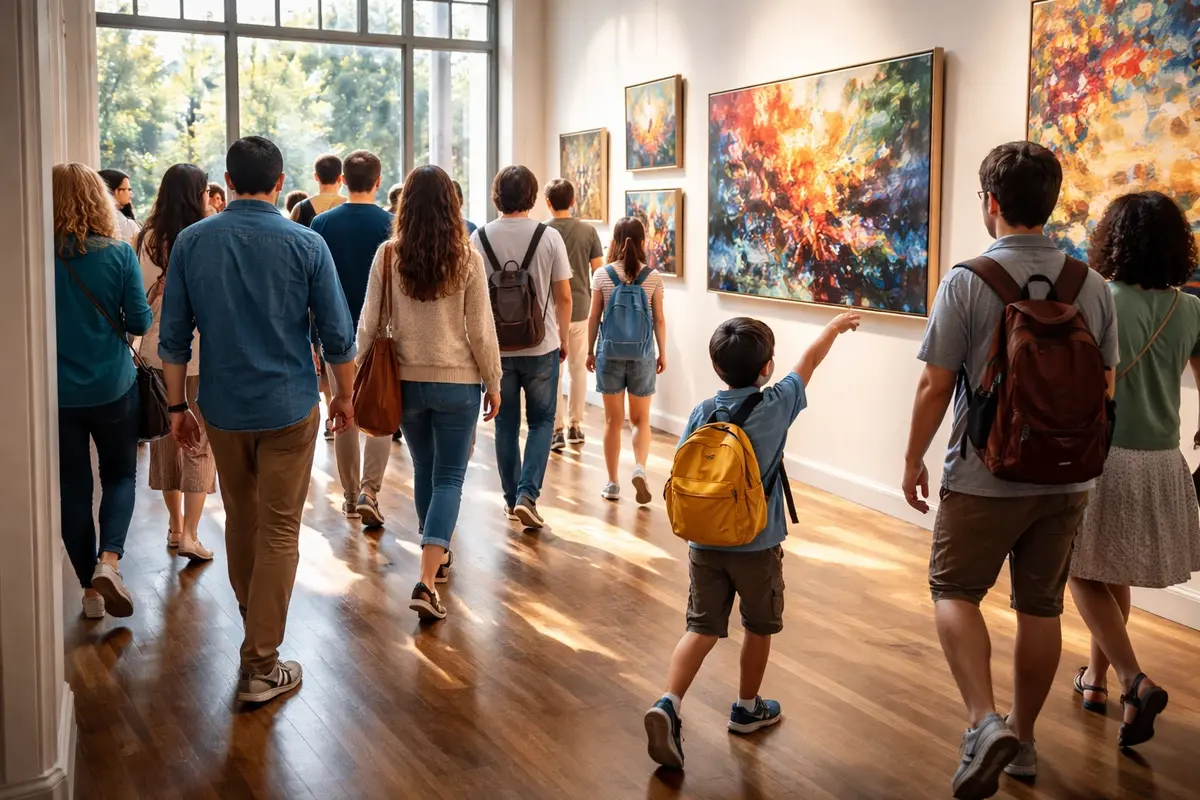
What direction do you pick when you enter an art gallery, museum, or shopping mall? Most people, without thinking, head left!
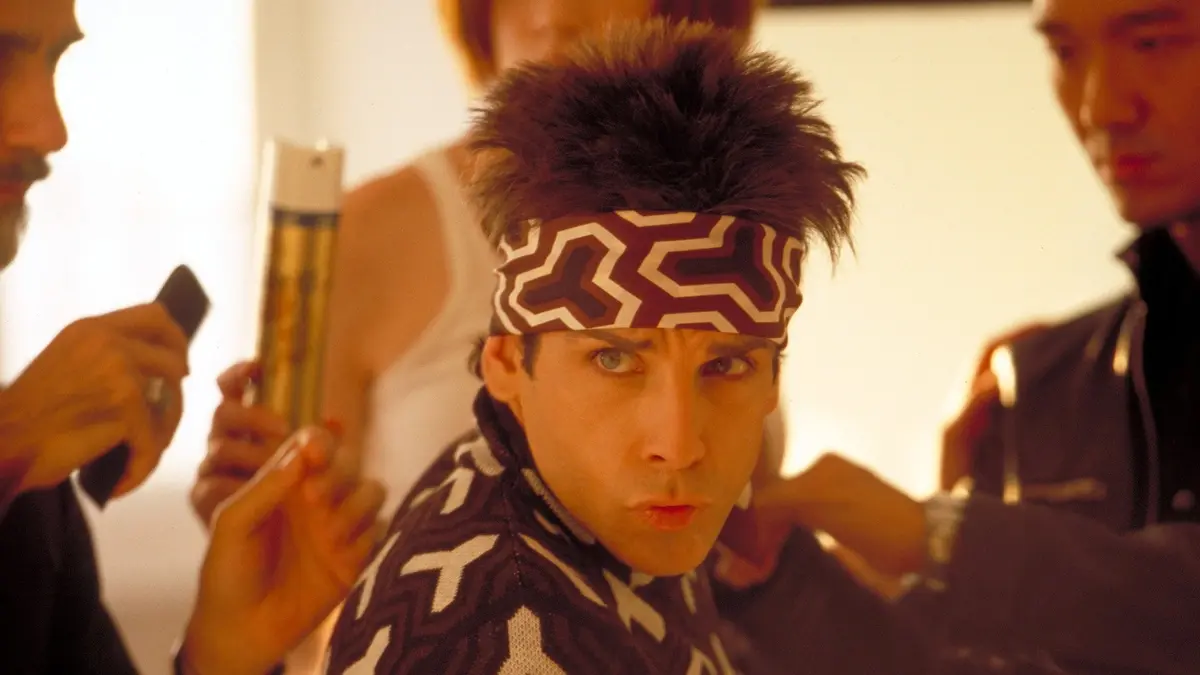
In the film “Zoolander,” Ben Stiller’s character comically struggles with turning left, and that gag sticks with viewers. New experiments suggest turning counterclockwise actually feels more natural for many people.
Researchers ran a series of experiments in open and confined spaces to see whether that preference holds across conditions. The tests took place in Japan and Spain. Participants included groups of different sizes, a range of ages, men and women, and people with different dominant hands — including left- and right-handed people.
They tested the following variables:
- venue (open vs. confined spaces);
- country (Japan and Spain);
- sex and age;
- dominant hand;
- covering one eye (to test visual influence).
Results and takeaways
In 32 of 33 experimental trials, people turned counterclockwise significantly more often.
Age was the only factor that influenced turning direction. Children showed a stronger bias toward counterclockwise turns, so Professor Feliciani says age likely strengthens or weakens the bias.
The team also tested whether the bias came from vision: they covered each participant’s left or right eye, but the preference remained. The researchers ruled out large-scale forces like the Coriolis effect or Earth’s magnetic field because the data do not support those explanations.
The paper points to a parallel in sports: many running and auto races traditionally run counterclockwise. The researchers said that pattern deserves its own study.
The cause of this widespread bias remains unknown. The team plans follow-up studies to investigate its origin and any biomechanical asymmetries that might explain the phenomenon.
This article is based on reporting by Daily Mail
