
 Carlos Solis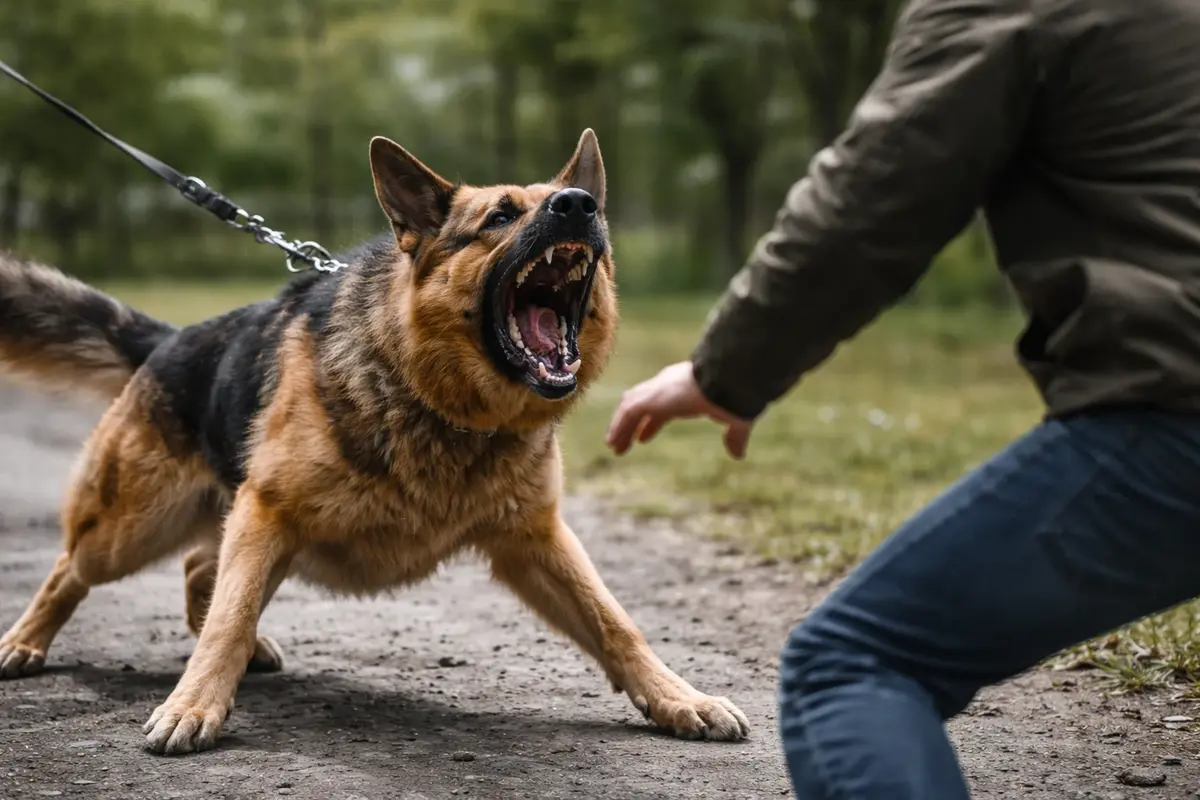
A survey of more than 180 dog behavior experts, trainers, and behavior specialists at the University of Lincoln found 18 risk factors for aggression, grouped into three categories: the owner, the environment, and the dog’s history or individual traits.
The Owner’s Role and Training Methods
Because owners control most aspects of a dog’s life, their behavior and management deserve close attention. Dr. Ann Baslington-Davies, a coauthor of the paper, said, “The owner controls most of a dog’s life, so we need to pay much more attention to how owners behave and how they interact with the animal.”
Experts warn that poor training increases the risk a dog will show aggression toward people. They see particular danger in aversive methods that use physical punishment, humiliation, or intimidation. Dr. Baslington-Davies said, “Many aversive methods try to suppress unwanted behavior without accounting for the function that behavior serves for the dog and without offering an alternative. That creates frustration and can lead to aggressive responses.”
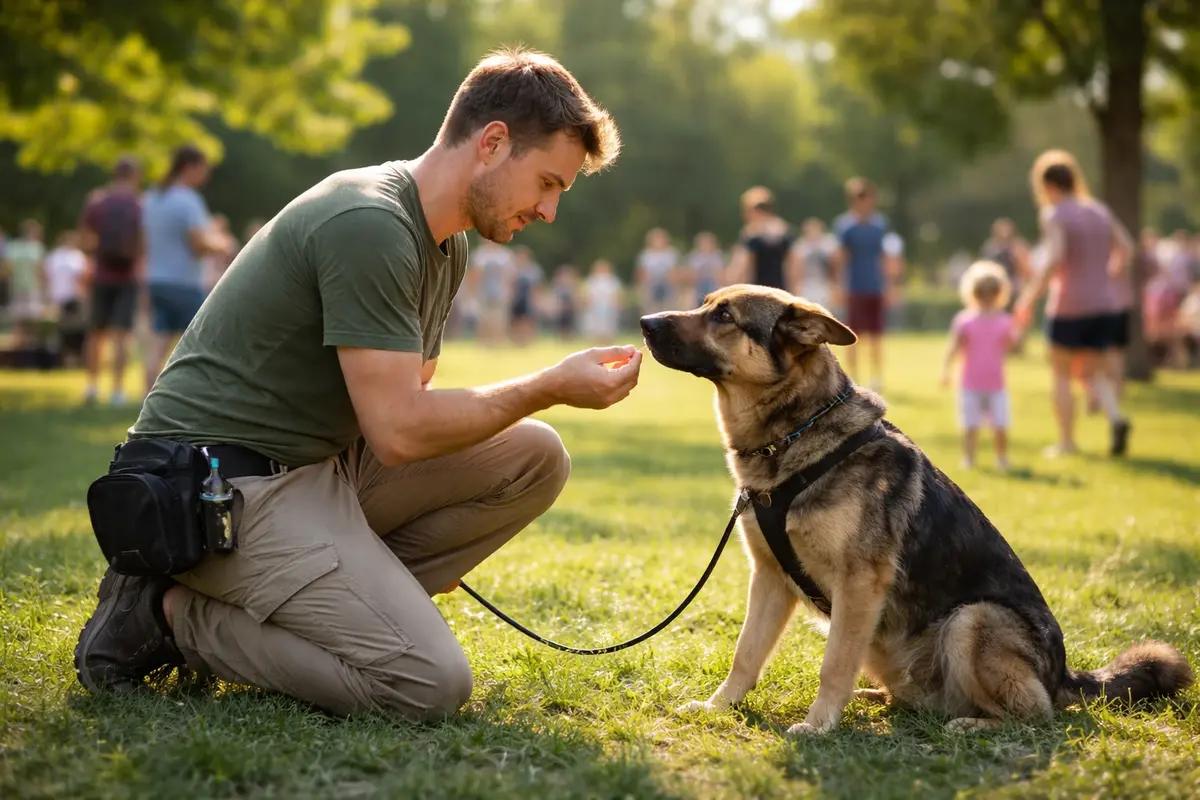
A solid understanding of a dog’s body language greatly lowers the chance of a bite. Nearly three-quarters of respondents said owners who misread their dog’s signals put themselves at higher risk. One expert mentioned “failure to notice or ignoring early stress signals,” and another emphasized the need to “de-escalate” situations.
Stressful Environments and Instability
A loud home, constant schedule changes, or general chaos can raise a dog’s stress level and make it more prone to aggression. Lack of space, social isolation, or overcrowding of people and animals in the house also raise the risk.
Researchers also named pain, discomfort, and illness as factors that increase the likelihood of aggression toward people.
The researchers included these conditions that can alter a dog’s behavior:
- skin and ear diseases that cause itching;
- injuries, fractures, or damaged nails;
- seizures and other neurological disorders;
- arthritis and painful joint conditions;
- hormonal problems, such as hypothyroidism;
- dental disease;
- any illness that causes fever, fatigue, or weakness.
Veterinarians recommend giving the animal a safe space and room to recover fully in these cases.
Is the Breed to Blame?
The common belief that some breeds are inherently more aggressive did not hold up in this study. Only 52% of experts cited temperament or genetics as a possible risk factor, and only 18 respondents mentioned “genetics” or “genetic predisposition” explicitly.
When breed came up in answers, experts more often meant specific traits — for example, guarding behavior or a strong prey drive — rather than simply belonging to a particular breed. Dr. Baslington-Davies says, “Our survey of these specialists shows that dogs need appropriate outlets for breed-specific behaviors to avoid frustration, but there is no reliable scientific evidence that aggression is caused solely by breed.”
When to Worry About an Attack
If you worry a dog might attack, first check whether the dog’s basic needs are met, whether the dog is in pain or chronic discomfort, whether it received proper socialization early in development, and how the owner trains and manages the animal. A dog born in isolation or raised without contact with people or the outside world will more often show fear and may respond with fear-based aggression.
This article is based on reporting by Daily Mail
