
 Gaby
Gaby
Vegan diets are growing in popularity, especially among people trying to improve their health. But for some, the effects can be the opposite.
Many people embrace veganism because plant-based diets are linked to a lower risk of heart disease, weight loss, and reduced cholesterol.
But enthusiasm often tips into extremes, says dietitian Laura Brown of Teesside University (UK) in an article for Science Alert. That’s especially true for people who eat only raw plant foods.
Proponents of a vegan diet claim that eating raw plant-based foods boosts energy levels, prevents diseases, and enhances overall health.
But recent studies show that long-term raw vegan diets can do more harm than good.
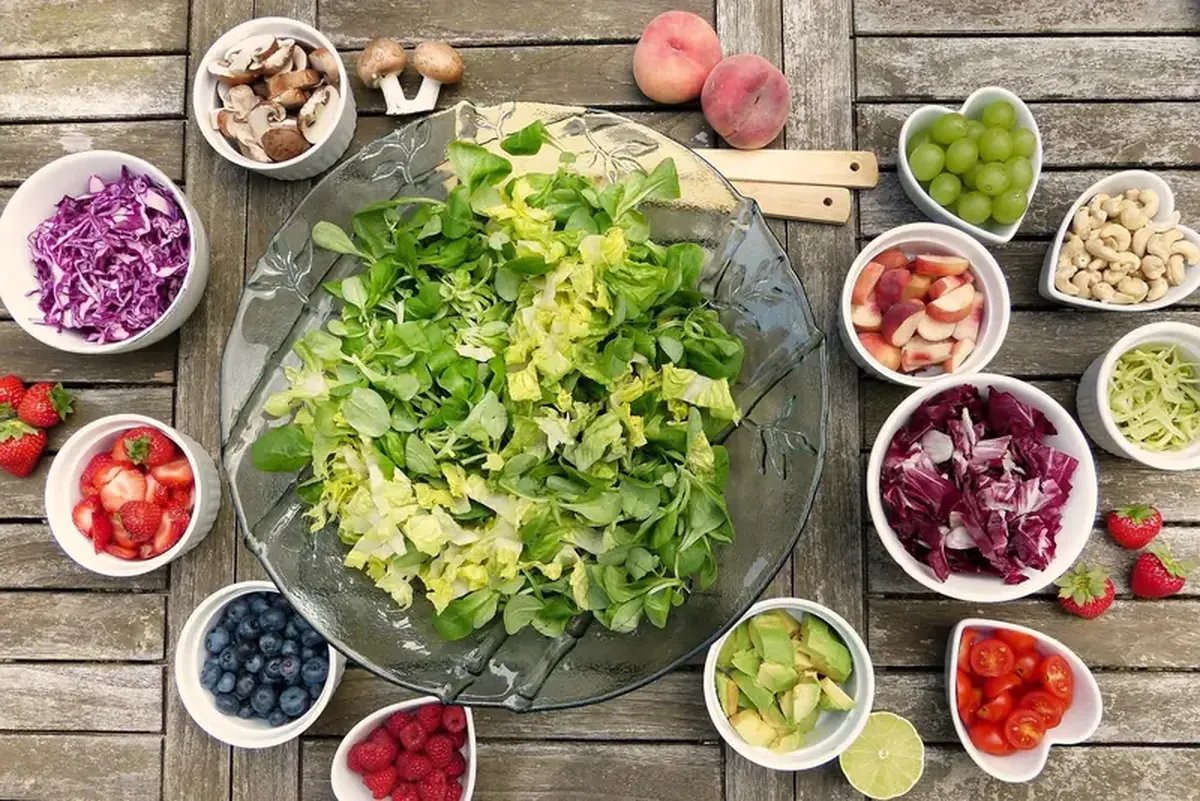
Risk of Missing Essential Nutrients
Some vegans argue that certain foods are healthier raw than cooked. For example, Brussels sprouts and red cabbage lose about 22 percent of their thiamine — a nutrient important for nervous system health — when cooked.
But many vegetables keep—and in some cases gain—nutrients after cooking. Cooked vegetables can supply antioxidants that fight free radicals, which damage cells and contribute to disease.
Asparagus, mushrooms, spinach, tomatoes, and broccoli have higher antioxidant levels after cooking—especially beta-carotene (which the body converts into vitamin A), lutein, and lycopene.
Cooking tomatoes can boost their lycopene by 50 percent or more. Lycopene is linked to a lower risk of heart disease and some cancers.
Other vegetables that retain a high nutrient content after cooking include carrots, white cabbage, and cauliflower.
The calcium in cooked spinach is also easier for the body to absorb.

Potential Deficiencies in Vitamins and Minerals
Raw vegan diets can leave people deficient in several essential vitamins and minerals—especially vitamins B12 and D, selenium, zinc, iron, and omega-3 fatty acids. These nutrients are critical for building brain and nerve cells and for maintaining a healthy immune system.
Many foods rich in these vitamins and minerals are typically of animal origin.
Studies find that nearly 40 percent of vegans have a vitamin B12 deficiency. B12 deficiency can cause jaundice, mouth ulcers, vision problems, depression, and mood swings, and it may increase the risk of cardiovascular disease and stroke.
Doctors warn that extreme vegans may experience partial or complete amenorrhea (a disruption of the menstrual cycle), which can lead to infertility.
Dietitians recommend weighing the pros and cons before switching to a vegan diet. Make sure the diet provides as many of the body’s essential nutrients as possible. They also generally advise against following a strict raw vegan diet long-term.
