
 Gaby
Gaby
Can fermented foods really be better than fresh ones? What makes fermented foods beneficial for digestion, and how should they be prepared to avoid food poisoning?
Rotting or Delicacy?
One of the most startling examples of fermented food is the preserved duck egg. This Chinese delicacy is known by names like “century eggs,” “thousand-year eggs,” or “imperial eggs.” Their distinctive features include a dark color and a pungent aroma. Still, these eggs aren’t spoiled; they can remain edible for years. People who overcome their initial hesitation say the “rotten” note is mostly salty, and otherwise the eggs are similar to a regular boiled egg with a slight bitterness.
Traditional methods create that effect by placing eggs in an alkaline environment and excluding air. Fresh duck, quail, or chicken eggs are coated with a paste of quicklime, clay, ash, tea, and salt, wrapped in straw and rice husks, put in baskets, and buried. Eggs left in those conditions for three weeks to four months develop a strong odor because sodium hydroxide drives off hydrogen sulfide and ammonia during the process.

In Chinese cuisine, century eggs are served sliced as a starter or used in salads and more complex dishes. In addition to the ancient method, modern preservation techniques are also used. Unlike pickled eggs that are preserved in vinegar, these preserved eggs are cured in a salt solution. The brine and any starter culture create an anaerobic environment that encourages beneficial probiotic bacteria to form on the egg surface.
Why do bears and other predators sometimes bury their prey instead of eating meat or fish right away? Part of the reason is digestibility: fermented foods are often easier to break down. Two processes can happen in meat: microbes break it down, or the tissues soften from their own enzymes (self-digestion of dead cells is called autolysis). Even when tissues break down, fermented products don’t necessarily become inedible; the outcome depends on which microorganisms predominate. During fermentation, natural preservatives form that keep putrefactive bacteria from taking over.
Take Icelandic hákarl, or “fermented shark.” Fresh meat from Greenland sharks is pressed for weeks or months and then air-dried for another two to four months. Fresh shark flesh can be toxic because of high urea content, but microbial enzymes and the resulting alkalinity turn it into an edible, if pungent, delicacy. Fermentation, then, isn’t just food going bad—the line between spoiled food and delicacy can be surprisingly thin.
What Do Fermented Foods Taste Like?
Fermented meats include cured sausages, jamón, and Parma ham. Depending on the recipe, meat can be fermented fresh or after preliminary processing such as smoking. Fermented meat can also be cooked after aging. Delicate steaks are sometimes dry-aged under controlled temperature and humidity for weeks to months so enzymes can break down proteins and concentrate flavor.

Most fermented products share one trait: their taste and aroma are more pronounced than the raw ingredients. Almost anything can be fermented: meat, fish, eggs, milk, tea, herbs, vegetables, fruits, beans, nuts, and grains. Fermentation is an ancient preservation technique that extends shelf life while often enhancing nutrition and flavor. Wine, cider, kvass, apple cider vinegar, kefir, yogurt, cheese, soy sauce, sourdough bread, sauerkraut, pickles, and homemade sausages are all examples. For creative cooks, fermentation is a way to invent new flavors from familiar ingredients.
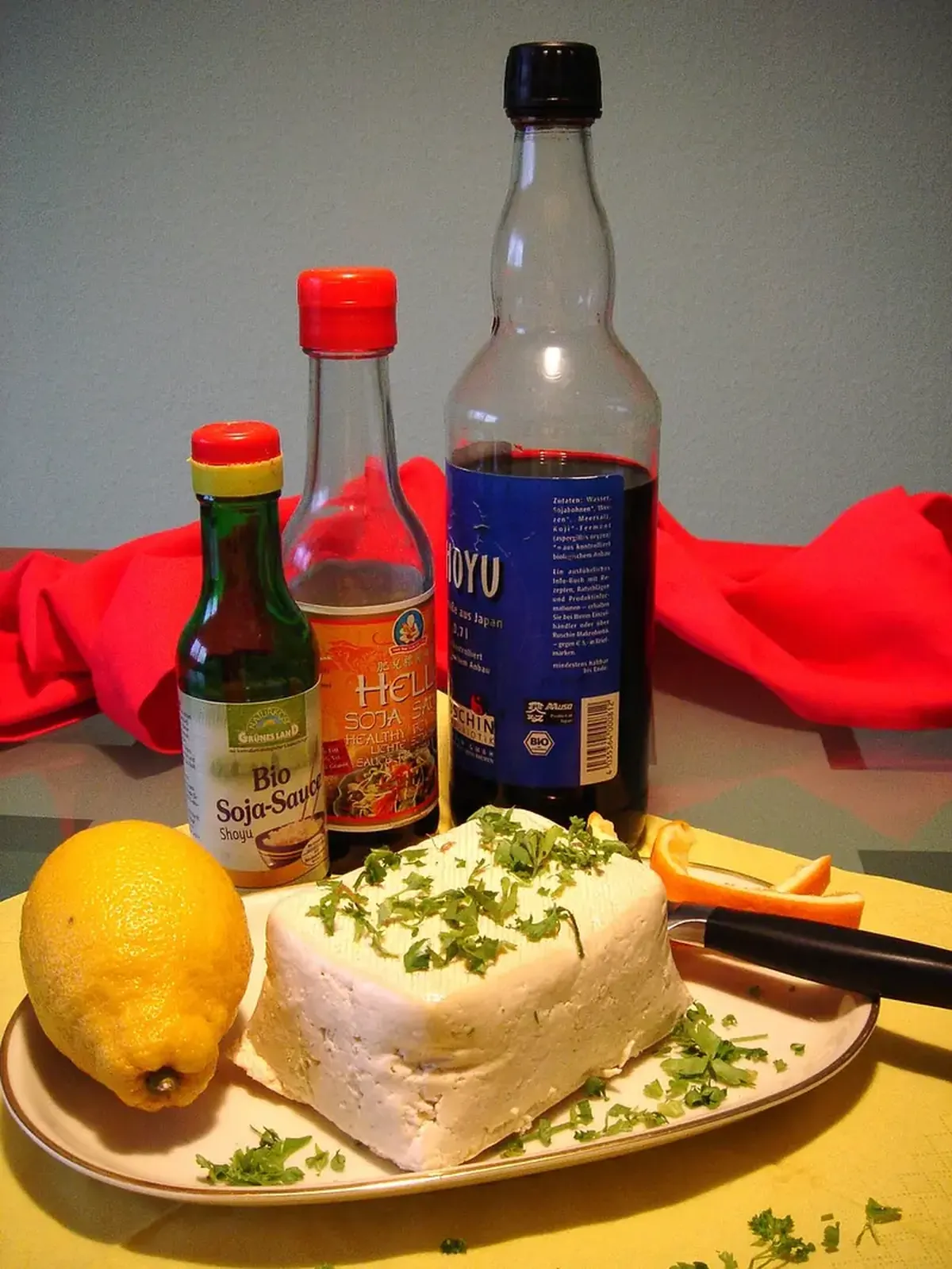
Many Asian cuisines rely heavily on the so-called fifth taste — umami. That savory note comes from glutamic acid and can be enhanced through fermentation. Umami shows up in soy, fish, and oyster sauces, and in many kinds of miso. Fermented soybeans produce many different products with very different tastes: Indonesian tempeh has a delicate, nutty flavor, while Japanese natto develops a strong, distinctive profile.
If exotic fermented items make you nervous, you probably just need time to get used to unfamiliar smells and textures. But you don’t have to start with the most challenging flavors. Many doctors point to sauerkraut and kimchi (fermented napa cabbage in Korean cuisine) as especially beneficial: they are rich sources of live bacteria. These foods provide probiotics, prebiotics, and fiber, which change during fermentation into forms that support gut health.
Fermentation isn’t just adding bacteria; it’s a transformation, especially the creation of acid. That acid gives sauerkraut its tangy flavor, not just saltiness. Fermented vegetables have become a modern culinary trend. Sauerkraut and kimchi often top the list because they combine probiotics, prebiotics, and fiber. Kombucha (fermented tea) offers some benefits—it can help with hydration and provide a little energy—but it’s often high in sugar and therefore should be consumed in moderation.

What is Fermentation in Simple Terms?
The process looks different depending on the food, but the basic idea is the same: changes happen with little human intervention once the process starts. The microbes that transform the food can be already present on the ingredient or can be added to get a specific result. For example, yeast naturally settles on fruit skins, while in cheese making, rennet is commonly added to trigger the right changes.
What’s the difference between fermentation and pickling? Often there isn’t a strict difference. Pickling can mean submerging vegetables in a vinegar-based brine, while fermentation typically involves adding salt and pressing the vegetables so they ferment in their own juices. Beneficial lactic acid bacteria multiply in that juice. Temperature matters: bacteria become dormant below about 4°C and die at very high temperatures above roughly 65°C.
Often the term refers to controlled processes where yeast, mold, or lactic acid bacteria convert carbohydrates (sugars and starches) into natural preservatives—alcohol, lactic acid, or acetic acid. Those compounds give fermented foods their tartness and distinctive flavors. In gastronomy, fermentation also covers related transformations that occur in vegetables, grains, milk, eggs, fish, and meat.
In meat or fish, many changes result from autolysis, where the tissue’s own enzymes break down proteins rather than microbes doing the work. Overall, fermentation is the breakdown of organic substances under the influence of microbes or enzymes. It can be aerobic (with oxygen) or anaerobic (without oxygen). The process often encourages beneficial microbes such as bifidobacteria and lactobacilli. Because lactic acid bacteria can survive in acidic environments, they act as natural preservatives and help protect fermented vegetables from further decay.
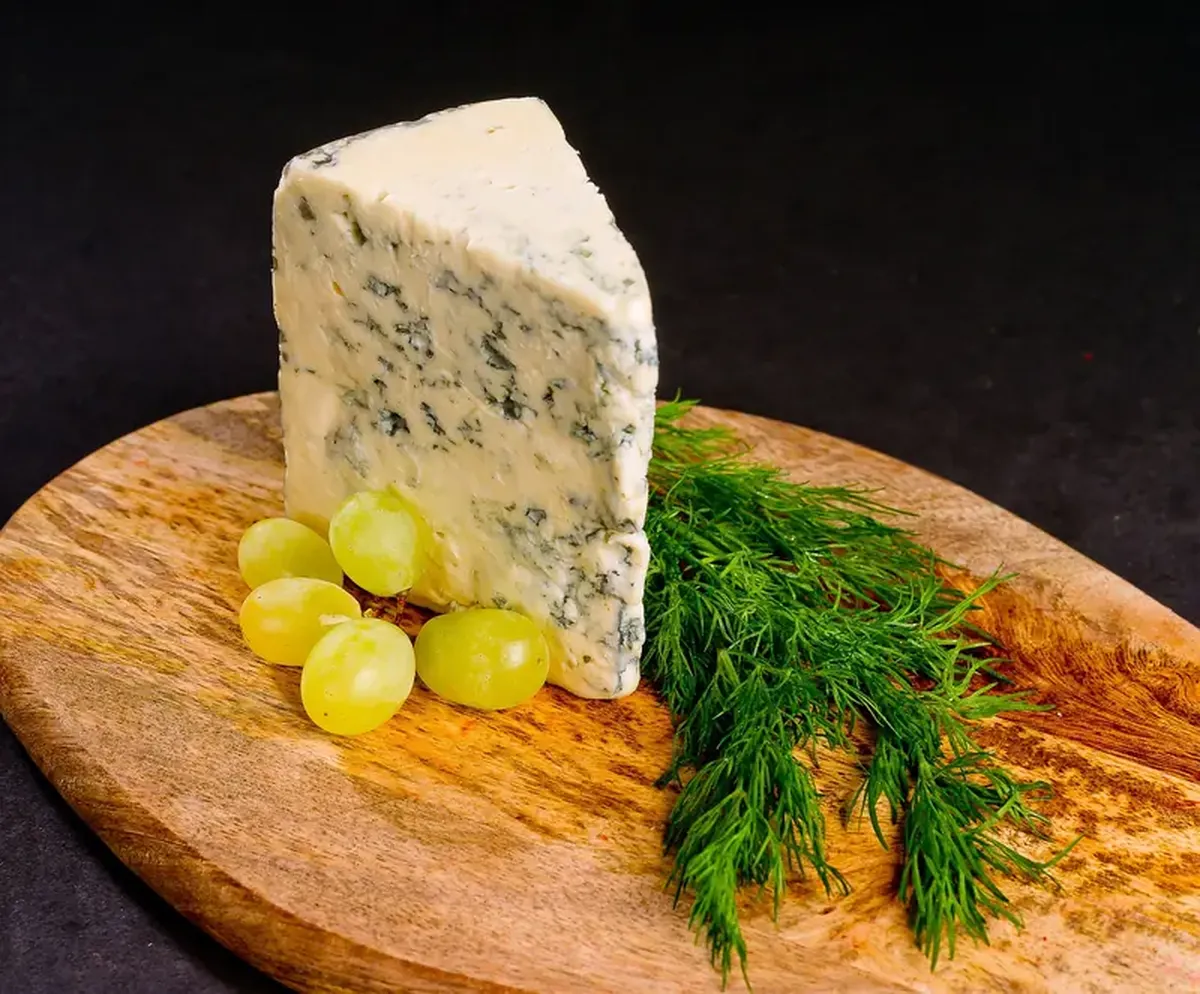
Beginners should avoid experimenting with meat, fish, and cheeses at home: fermenting animal products requires careful preparation, strict conditions, and equipment like a dehydrator or reliable cold storage, or at least a cool pantry. Keep soil and dirt away from fermenting vessels, since contamination can raise the risk of botulism. Botulinum toxin is produced by certain soil bacteria when food is stored without oxygen; historically, the word botulism comes from the Latin botula, meaning “sausage,” because one of the first recorded outbreaks was linked to a blood sausage. More commonly, this dangerous microbe appears in improperly sealed homemade preserves where oxygen is excluded.
Benefits and Risks of Fermented Foods
Although doctors often recommend fermented foods during fasting or strict diets, they warn that some people should avoid them entirely. Fermented foods can trigger allergic reactions in susceptible individuals. They can also aggravate some gastrointestinal conditions: a high-fiber ferment can increase gas and bloating, and vinegar-based ferments can irritate ulcers or gastritis. Salt used in many fermented recipes can cause the body to retain fluid and lead to swelling, which is a concern for people with kidney or cardiovascular disease.
People with hypertension should be cautious with fermented vegetables because biogenic amines such as histamine and tyramine can form during fermentation and affect blood pressure and heart rate. Pregnant and breastfeeding women are also advised to avoid kombucha, partly because it can contain small amounts of alcohol and is often high in sugar.

At the same time, many fermented products are low in calories and can be a useful choice for weight management. Fermented vegetables are rich in micronutrients and fiber, which help curb hunger. They also provide vitamin C, which supports collagen and elastin production. In some cultures, fermented condiments like kimchi, soy-based sauces, and pickled ginger are thought to contribute to healthier-looking skin. Fermented foods can also supply probiotics that help the body process and eliminate some toxins.
These effects may support liver and kidney function, help normalize metabolism, improve nutrient absorption, and enhance sleep quality. A healthy gut microbiome supports digestion, bolsters immunity, and can contribute to heart health by promoting internal balance. The gut microbiota contains an enormous number of microbes—often cited as around 50 trillion bacteria, which is comparable to the number of human cells in the body. When harmful microbes outnumber beneficial ones, dysbiosis can result, and that imbalance may cause diarrhea, constipation, allergies, obesity, and other metabolic problems.
Gut bacteria also produce compounds that interact with neurotransmitter systems and can influence mood and cognition. Some studies link fermented foods such as yogurt with honey, kimchi, and kombucha to benefits for mood and certain cognitive functions.
Including fermented foods in your diet may support digestion, mood, skin health, and overall well-being.
