
 Gaby
Gaby
Milk is often the first food we ever eat. It contains many of the nutrients a growing body needs, and a lot of beloved dishes and drinks for adults wouldn’t exist without it. From childhood we’re taught that dairy is good for us and belongs in our daily diet. But how true is that message, and can adults really live well without milk?
What Are the Benefits of Milk?
People consume different types of milk depending on where they live—goat, horse, sheep, donkey. Cow’s milk is the most common, though, because it’s the base for so many products and, after pasteurization, is sold widely in supermarkets.
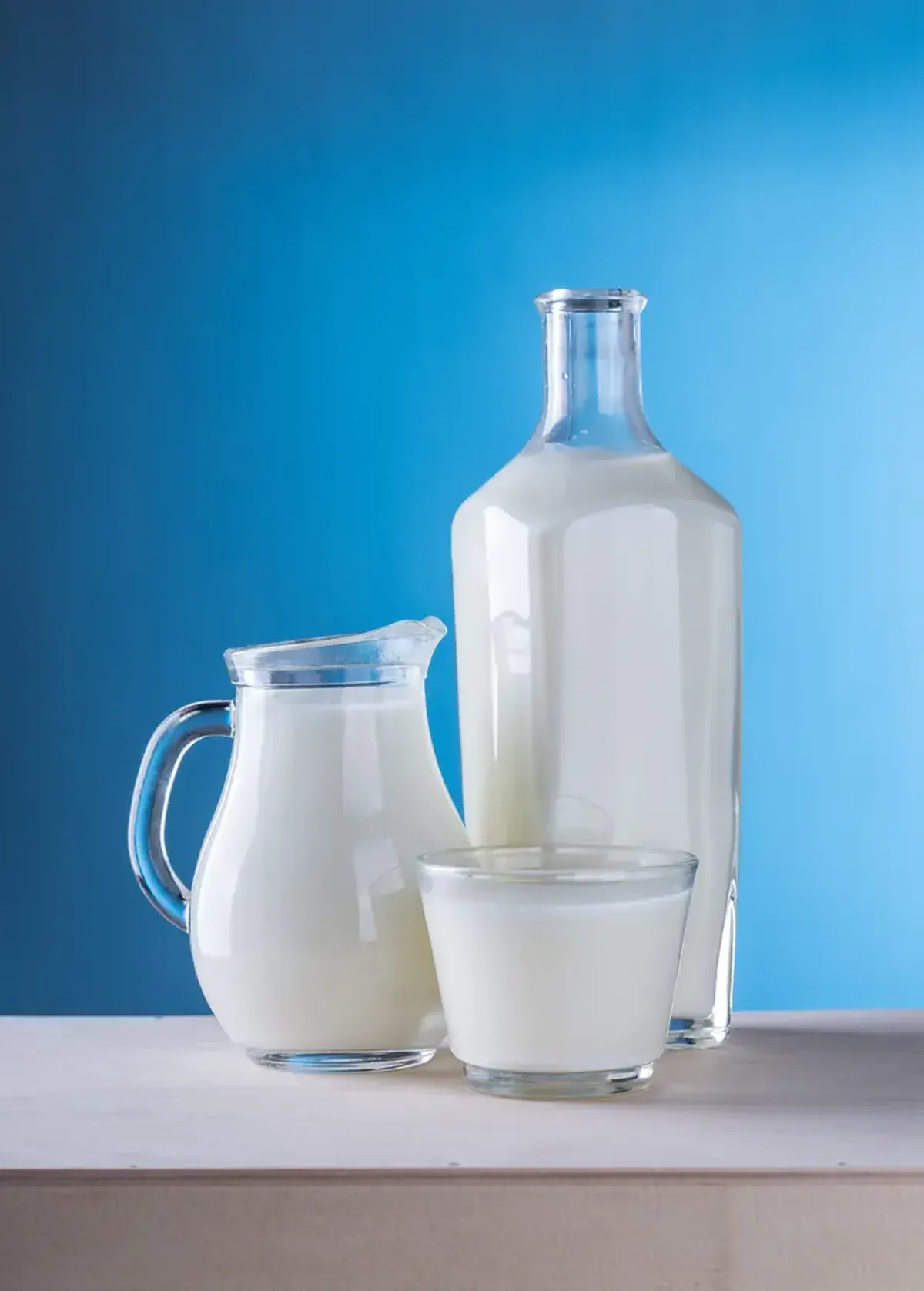
Many people prefer what’s often called homemade milk—unprocessed milk bought directly from the producer at local markets. Any cow’s milk can diversify a diet and is often used to prepare food for young children. Daycare centers and schools commonly buy milk, and fermented dairy products made from milk can be just as beneficial as the fresh milk itself.
Here are some commonly cited benefits of milk:
- Bone strength — milk supplies calcium, phosphorus, and vitamin D; a deficiency in these nutrients can contribute to osteoporosis;
- Weight management — when used appropriately, milk can support gradual weight loss;
- A convenient snack — milk is easy to buy and quick to drink; adding it to morning coffee is especially popular;
- Stress relief — a glass of warm milk can satisfy hunger and help calm you after a stressful day;
- Muscle gain — milk’s protein content can support muscle development;
- Great culinary potential — milk is the starting point for a wide variety of tasty, nutritious dairy products;
- A natural sleep aid — a cup of warm milk before bed can help some people fall asleep;
- Effective home remedies — coffee with milk can reduce stomach acidity for some people; warm milk with honey is a common cold remedy; certain dairy products can have positive effects on hair and skin.
Some people praise milk for its mix of proteins, fats, vitamins A and D, B vitamins, minerals, and omega-3 fatty acids. Often our diets don’t supply enough vitamins and minerals, and for some people a daily glass of milk can help fill those gaps.

Why Should You Avoid Drinking Milk After 40?
Humans are the only mammals that commonly drink milk after weaning; other animals typically drink milk only during infancy. For that reason, some medical professionals suggest that after about age 40 it can be wise to reduce or avoid drinking milk in its plain form. They argue it may contribute to certain diseases and affect metabolic processes and the immune system. Instead, fermented dairy products tend to be better for gut health because the bacteria in them support a healthy microbiome and help fight dysbiosis—especially important during antibiotic treatment.
What Are the Dangers of Milk?
Many sources report that milk isn’t beneficial for everyone and can, in some cases, cause harm. That raises the question of whether we should rethink how we consume dairy. When should dairy be avoided? Specialists most often point to digestive problems: diarrhea, bloating, discomfort, and pain. Milk consumption can also influence the course of joint, cardiovascular, and bone conditions. People with allergies should avoid milk, since it can trigger asthma in some cases. Dairy can be excessive in the diets of people with gastritis, gout, kidney stones, and other kidney disease.
Symptoms that may indicate milk is harmful for you include:
- Lactose intolerance — shows up as bloating, sharp abdominal pain, diarrhea, nausea, and vomiting. In this case, buy lactose-free milk or take a lactase enzyme supplement before consuming regular milk;
- Milk protein allergy — presents as gastrointestinal upset, swelling of mucous membranes, breathing difficulties, and tearing. Adults with this allergy should avoid milk entirely;
- Increased cholesterol levels — this raises cardiovascular risk. Choose low-fat dairy products instead;
- Activation of inflammatory processes — in autoimmune or inflammatory diseases, minimize or eliminate milk consumption.
Still, most people consume milk in one form or another if not as a beverage then as an ingredient: in coffee, cocoa, smoothies, or mixed with fruit, honey, chocolate syrup, or even a splash in stronger drinks. Smoothies—thick blends of fruit and vegetables with milk—are popular. Some people enjoy a cup of hot or cold milk with a pastry or a slice of bread with garlic.

Which Milk Is the Healthiest?
Raw milk straight from the cow doesn’t keep long, so many people boil it at home to extend its usability. Boiling destroys some nutrients. In commercial production, other methods are used, including:
- Pasteurization. This involves heating the milk to about 75 degrees Celsius for half an hour. Pasteurization kills most pathogenic bacteria while preserving minerals and many vitamins. Pasteurized milk can be stored in the refrigerator for up to a week;
- Ultra-pasteurization. The milk is heated to roughly 135 degrees Celsius for just 2–5 seconds. It keeps its calcium but loses some B and C vitamins. Taste, color, and smell remain largely unchanged. Ultra-pasteurized milk in Tetra Pak packaging can have a shelf life of about six months, after which it may develop a bitter taste if not fermented;
- Sterilization. This process heats milk for about half an hour at around 100 degrees Celsius. Packaging labeled “UHT milk” often has a six-month shelf life. The nutritional value is lower than that of pasteurized milk;
- Condensing. Milk is processed at roughly 85–98 degrees Celsius for about half an hour. The result is a thicker, crème-brûlée–colored product that’s higher in fat.
Which milk is healthiest depends on consumption habits. Experts recommend drinking milk on its own rather than mixing it with other protein-rich foods, except when cooking grains for porridge. Also, milk is best consumed warm; cold-to-hot temperature swings can cause digestive discomfort for some people.
Drink milk between meals—say, between breakfast and lunch or between lunch and dinner. Drinking it immediately before or after a meal can cause cramps, colic, and a feeling of heaviness in the stomach.
Can You Drink Unpasteurized Milk?
As mentioned earlier, many people buy milk at markets. Since this milk is sold unprocessed, a common question is whether you can drink raw milk. In its fresh state it contains a full range of nutrients. The best is milk that’s just been milked. Strain it through several layers of cheesecloth. At that point the temperature of fresh milk is about 39–40 degrees Celsius—almost equal to the animal’s body temperature.
Fresh milk stays fresh for about four hours, retaining vitamins that haven’t yet decomposed or oxidized. Unpasteurized milk is often credited with benefits like supporting vision, supplying a full set of B vitamins, and positively affecting the nervous system. These benefits may be greatest when the milk is fresh. But what about pathogens? Specialists say raw milk can be consumed if you are certain the cow is clean and well cared for. If you buy from an unfamiliar vendor, boil the milk first. Slight losses of microelements are outweighed by the safety of eliminating harmful bacteria.
How to Properly Boil Milk
Do this on the day you buy the milk. Pour the milk into an enamel or stainless steel container and place it over medium heat. Stir the liquid gently until it reaches a boil to help retain fats, proteins, and carbohydrates in nearly unchanged states. Continue stirring after it boils and watch for foam to rise. Keep in mind that the boiling point of milk is about 95 degrees Celsius, so don’t turn off the heat immediately.
To prevent burning, make sure the container is clean. Otherwise the milk may boil over or take on a burnt taste. If you are unsure about the milk’s freshness, first boil a small portion as a test.
What Can Be Made from Milk?
If you aren’t sure whether drinking plain milk suits you, try products made from it. The list is long and keeps growing thanks to skilled modern chefs:
- Cheese — made from whole or skimmed milk with added cultures. Cheese is high in protein, calcium, and B vitamins;
- Kefir — produced from milk with kefir grains. It belongs to a broad group of fermented dairy products including ryazhenka, acidophilus drinks, ayran, and matsoni;
- Cream — the richest top layer that forms after milk sits. It’s calorie-dense and rich in vitamins A, D, and E;
- Condensed milk — milk evaporated with added sugar, high in protein;
- Sour cream — made from cream with a starter culture, containing fats, proteins, and vitamins A, E, and B12;
- Butter — made by churning cream; rich in vitamins A, E, and D and highly caloric;
- Hard cheeses — produced with cultures and special enzymes; they come in many types and fat contents and provide substantial nutrients;
- Yogurt — a fermented product with a thick consistency that can include fruits, berries, and grains to expand the flavor range.
Once upon a time, every child could sing: “Drink milk, kids, and you’ll be healthy!” While nutrition is more complicated now, we shouldn’t underestimate a drink that has been familiar to us since birth.
