
 Carlos Solis
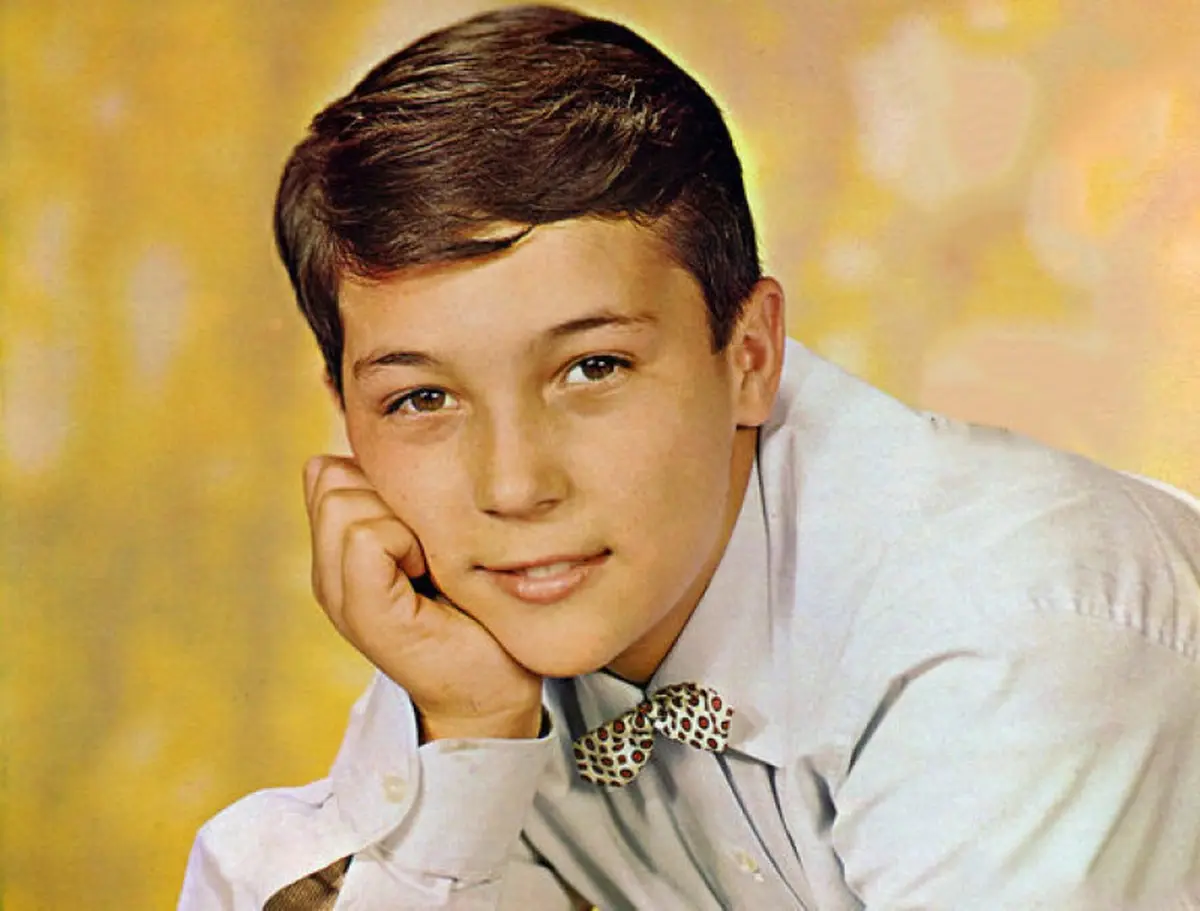 The young performer of the popular hit “Jamaica,” Robertino Loreti, earned an audience with the Pope after a touching solo at a Vatican opera performance and won a gold medal at a radio singing competition. Back in his native Italy, the young artist—who toured Europe and the U.S. with huge success in the early 1960s—was often compared to the famous tenor Beniamino Gigli. In Paris, the promising boy from a large, struggling family was called the “new Caruso,” and French President Charles de Gaulle personally invited him to perform at a gala concert with world stars. But puberty changed everything: the loss of his childhood voice forced him to find new paths and put his concert career on hold.
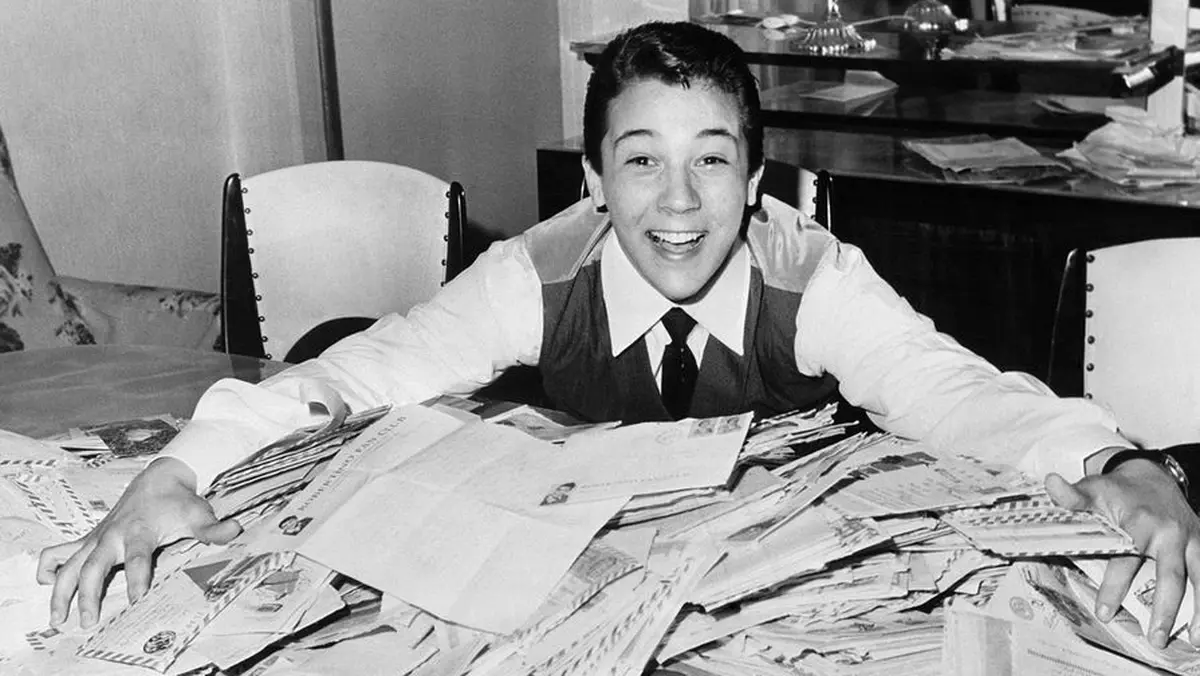
A Star from Birth
Robertino was the fifth of eight children in the family of Roman plasterer Orlando Loreti. Born on October 22, 1947, the musically gifted boy began singing in the streets and in cafes at an early age to help his parents support the family. At just four years old, he had a minor role in the 1951 film “Anna,” which featured a young Sophia Loren in an uncredited part as a nightclub girl. Two years later, Robertino Loreti appeared in the Italian-French film “The Return of Don Camillo” alongside Fernandel.
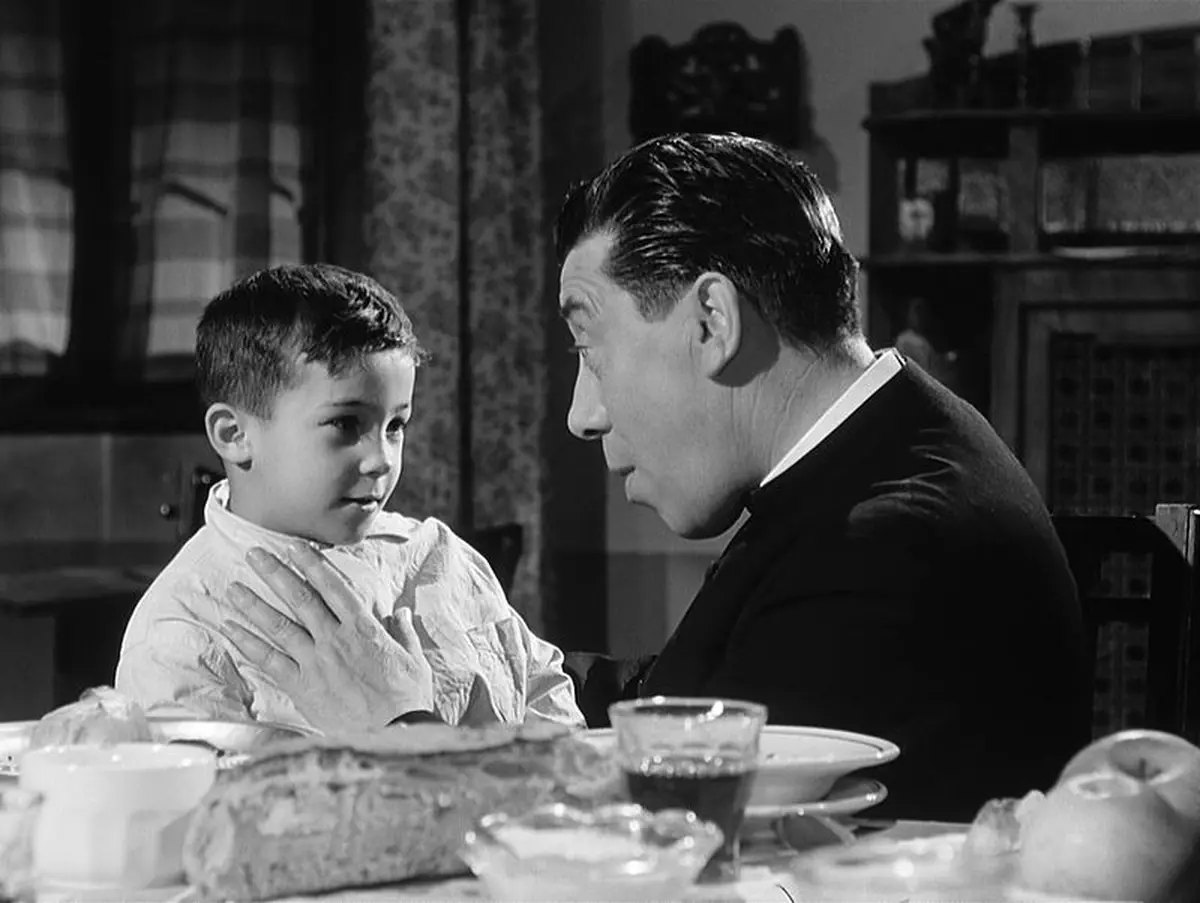
Loreti in the film “The Return of Don Camillo”
By age six, Loreti was already singing in a church choir, and by eleven he was its soloist. At eight, he sang in the choir of the Rome Opera House, and by thirteen he was taking solo parts there. After hearing him in the opera “Murder in the Cathedral” at the Vatican, Pope John XXIII requested a personal meeting with the boy. At ten, he helped support his sick father by delivering bread and singing along the way. Soon, restaurant owners competed to book the singer, who had won a gold medal at a radio competition.
Golden Records
In 1960, during the Summer Olympics in Rome, Robertino Loreti’s rendition of the Neapolitan song “’O sole mio” drew crowds at the “Grand Italia” café. Danish television producer Sair Volmer-Sørensen was in the audience and invited the future star to Copenhagen, where he arranged a TV appearance a week later. The Danish label Triola Records signed the young singer, and Loreti’s single “’O sole mio” became a gold record in 1961. The singer gained worldwide recognition.
Wherever he performed—whether in Europe or America—he was seen as a cultural phenomenon. Robertino Loreti’s songs were wildly popular in the USSR as well. In the 1960s, pieces like “Ave Maria” (Franz Schubert’s work, which he recorded in 1961), “Santa Lucia” (one of many Neapolitan folk songs on his 1962 album of twelve hits), and, of course, “Jamaica” (recorded when he was thirteen) could be heard from nearly every window.

It’s Impossible Not to Sing
Italians compared Robertino Loreti to Beniamino Gigli, while the French called him the “new Caruso.” During his first visit to France, the boy received an invitation from President Charles de Gaulle to perform at a gala concert with international stars. In 1964, the seventeen-year-old became a finalist at the 14th San Remo Festival with the song “Little Kiss.” But as he matured, his voice shifted from a childhood treble to a deeper tenor and baritone, and many listeners did not accept the change.

In 1973, Robertino Loreti changed career direction. For ten years he focused on film production and business, opening a grocery store and owning a restaurant. After a long break from singing, the 35-year-old returned to the stage. He resumed touring in 1982 and first visited the USSR in 1989, using live performances to dispel rumors about having permanently lost his voice after the puberty-related change.
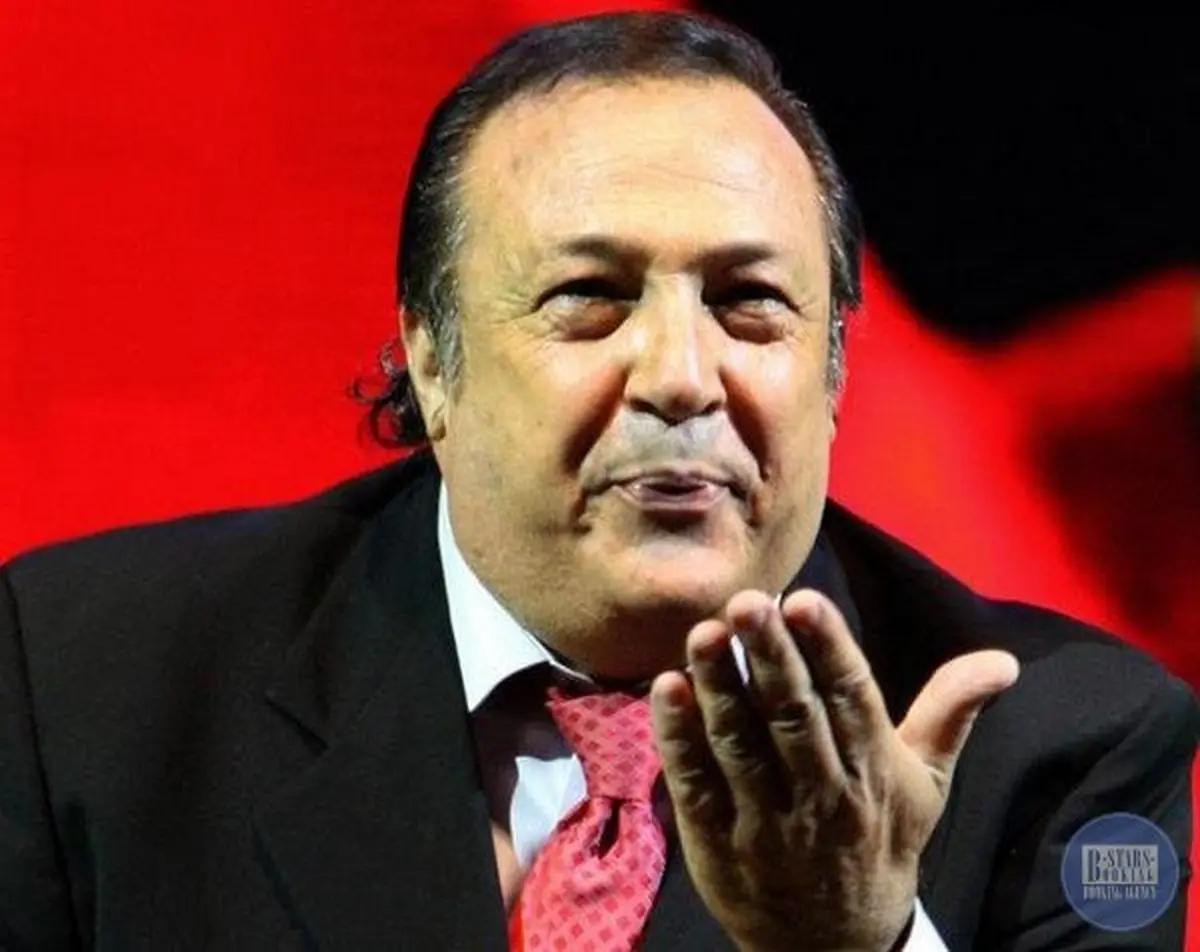
Robertino Loreti Today
The artist has pushed back against the myth that he lost his voice because managers ruthlessly overworked him. He said that during his voice change, everyone tried to protect him from strain. A forced break was also extended when he spent several months recovering from a broken leg. The singer reassured fans that no one was to blame for his time away from the stage. Robertino Loreti’s concert career continues to this day. A father of three, he supports himself through touring and business ventures: he breeds Arabian racehorses and owns a nightclub where he often performs.
Continuing his performing career with a new baritone voice, the artist played a gala concert in Kyiv in 2000. At Mykhailivska Square, 100,000 people gathered to hear Robertino Loreti’s rendition of “Ave Maria.” Although the famous pieces from his repertoire sound different in his adult voice, audiences still come out to see the legend live. On posters, the 78-year-old Roberto remains billed under his childhood name, as fans nostalgically remember the Italian teenager with the angelic voice, Robertino Loreti.
